As the spring home modification season approaches, occupational and physical therapy professionals are increasingly integrating smart home technology into their practice. Recent research indicates that three-fourths of consumers are open to using smart home technology to age safely in place (McKnight’s Senior Living, 2025), and the Association for Smarter Homes & Buildings has identified technology-assisted living and aging in place as one of four major trends shaping connected living in 2025 (Build Accessible, 2025). This article provides evidence-based guidance for incorporating these technologies into home modification assessments and recommendations.
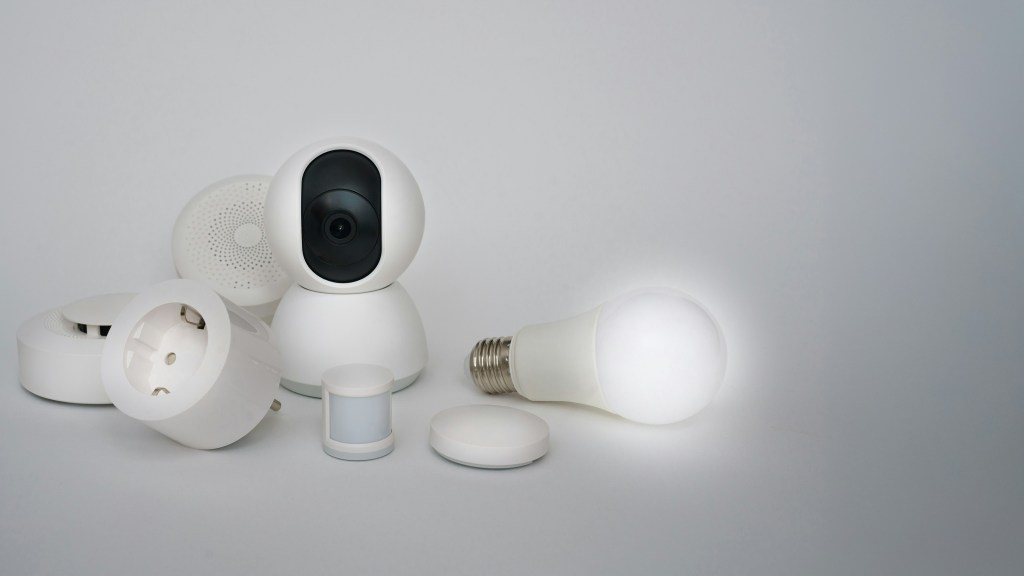
The Evidence Base for Smart Home Integration
Research from the University of Illinois demonstrated that smart home technology provides meaningful benefits for older adults with mobility disabilities who are aging in place (Applied Health Sciences, 2025). The study found that these technologies can enhance safety, independence, and quality of life when properly matched to client needs and abilities.
Additionally, AARP’s 2026 technology trends report revealed that two in five older adults are planning tech purchases in 2026, with 71% having bought technology in 2025 (AARP, 2025). This suggests increasing consumer readiness and acceptance of technology solutions among the older adult population.
Motion Detectors and Fall-Detection Devices
Fall-related injuries remain a leading cause of loss of independence among older adults. Smart technology offers additional layers of protection that complement traditional environmental modifications.
Wearable Fall-Detection Devices
Contemporary wearable devices include smartwatches with built-in fall detection capabilities (such as Apple Watch) and medical alert pendants from established providers like Medical Guardian and Lifeline. These devices are most appropriate for clients who demonstrate consistent adherence to wearing assistive devices and have reliable cellular or internet connectivity in their homes.
Non-Wearable Fall Detection
For clients who demonstrate poor adherence to wearable devices, ceiling-mounted or wall-mounted fall-detection sensors offer passive monitoring without requiring client action. These systems are particularly beneficial in high-risk areas such as bathrooms and bedrooms.
Motion-Activated Pathway Lighting
Battery-powered or plug-in motion sensor nightlights address nighttime fall risk along common pathways between bedrooms and bathrooms. These simple interventions require minimal technical knowledge and are widely available through major retailers, including Home Depot, Lowe’s, and Amazon.
Compatibility Considerations for Clinical Practice
When recommending fall detection technology, clinicians should assess:
- Availability of family members or caregivers to provide initial setup and ongoing technical support
- Availability of reliable Wi-Fi or cellular coverage throughout the home
- Client or caregiver smartphone ownership and platform (iOS vs. Android)
Voice-Activated Assistants: Hands-Free Independence
Voice-activated assistants represent a low-barrier entry point for smart home technology adoption. These devices enable hands-free control of environmental systems, communication, and reminders—all critical elements of independent living.
Smart Speaker Options
Common options include Amazon Echo (Alexa), Google Nest speakers (Google Assistant), and Apple HomePod (Siri). These devices are widely available through major retailers including Best Buy, Target, and Walmart, as well as directly from manufacturers.
Smart Displays
Devices such as Amazon Echo Show and Google Nest Hub combine voice activation with visual displays, enabling video calling and providing visual medication reminders with larger fonts that may benefit clients with visual impairments.
Clinical Recommendations for Voice Assistant Selection
When guiding clients in device selection, consider:
- Ecosystem consistency (selecting one platform and maintaining it rather than mixing multiple systems)
- Existing device ecosystems (iPhone/iPad users may find Apple products more intuitive)
- Family technology preferences (matching family systems facilitates remote support)
Smart Sensors and Routine Monitoring: Balancing Safety and Privacy
Routine-monitoring systems use pattern recognition to identify deviations from established behavioral patterns, alerting caregivers to potential problems without continuous surveillance.
Door and Movement Sensors
Small sensors placed on doors, refrigerators, or in hallways can track activity patterns. These are available through whole-home smart systems (such as Ring or SimpliSafe) or through aging-in-place specific platforms marketed by senior care companies.
Pattern Recognition Systems
These systems establish baseline routines (typical wake time, bathroom use, kitchen activity) and generate alerts when significant deviations occur (such as no movement detected by mid-morning or door activity at unusual hours).
Addressing Privacy Concerns in Clinical Practice
Clinicians can address common privacy concerns by noting that:
- Families should establish clear protocols for alert response and verify smartphone compatibilityafety oversight.
- Many systems allow family notification via text or app rather than requiring monitoring center involvement
- Privacy settings typically allow camera disabling while maintaining motion or door sensors
Integration into Evidence-Based Home Modification Practice
Here’s where smart technology becomes truly powerful: integration with tRehabilitation professionals can integrate smart technology into existing practice patterns without becoming technology specialists.
Combining Traditional and Technological Interventions
Effective combinations include:
- Hallway grab bars paired with motion-activated nightlights
- Walk-in shower modifications combined with bathroom fall sensors
- Medication management systems enhanced with voice assistant reminders
Documentation in Clinical Reports
Practitioners can include technology recommendations in home assessment reports using functional language:
- “Recommend smart door lock with keypad or app control to reduce key management burden for caregivers”
- “Recommend motion-activated nightlighting along pathway from bedroom to bathroom (available through major retailers)”
Developing Resource Lists
Maintaining a concise list of widely available, moderately priced, and easily installed options helps clients make informed decisions without constituting formal product endorsements. Focus on product categories and functions (e.g., “fall detection watch,” “voice-activated speaker”) rather than specific brands.
Clinical Communication Strategies
Effective therapeutic language for discussing smart home technology includes:
- “We’re addressing fall risk through environmental modifications; fall-detection technology would provide additional protection when you’re home alone.”
- “A voice-activated assistant could eliminate the need to cross dark rooms to reach light switches.”
- “We can implement changes gradually—beginning with motion-activated lighting and adding additional features as you become comfortable.”
- “Let’s select devices that your family or support system can confidently install and maintain.”
Getting Started: Practical Implementation
If you’re ready to incorporate smart home technology recommendations into your practice, start with these steps:
- Educate yourself on three systems: Choose one fall detection option, one voice assistant platform, and one learning sensor system to become deeply familiar with
- Partner with a local installer: Find a tech-savvy handyperson or smart home company that understands accessibility needs
- Create simple guides: Develop one-page instructions with large text and photos showing exactly how to use basic features
- Offer graduated recommendations: Start with one or two devices, then expand as clients gain confidence
- Follow up is crucial: Schedule a check-in two weeks after installation to troubleshoot and answer questions
Remember that technology adoption is a process. Some clients will enthusiastically embrace every recommendation, while others need to see one device work reliably before they’ll consider adding more.
Addressing Common Concerns
“It’s too expensive.” Many basic smart home devices cost less than a month of home care services. Start with budget-friendly options like smart bulbs ($10-15 each) or a basic voice assistant ($30-50).
“I’m not tech-savvy.” Neither are most of your clients initially. The devices that succeed in this market are specifically designed for non-technical users. Setup is increasingly plug-and-play.
“I’m worried about privacy.” This is valid. Choose devices that process data locally rather than in the cloud, offer clear privacy policies, and give users control over what’s shared and with whom.
“What if the internet goes out?” Many modern systems include cellular backup or can operate in local-only modes for basic functions. Battery backups ensure critical devices like fall detection continue working during power outages.
The Future Is Already Here
Smart home technology for aging in place isn’t a futuristic concept—it’s available now, affordable, and becoming more user-friendly every month. As home modification professionals, we have an opportunity to be the bridge between traditional accessibility improvements and technological solutions that extend independence.
This March, as you’re planning home assessments and spring modifications, consider how a $50 voice assistant might solve a lighting control problem that would otherwise require expensive electrical work. Think about how learning sensors could provide family members with peace of mind without invasive cameras. Explore how fall detection could be the difference between a client staying home or moving to assisted living.
The homes we’re modifying today aren’t just about ramps and rails anymore. They’re becoming smart, responsive environments that adapt to changing needs and provide an invisible safety net. That’s not replacing the important work you do—it’s amplifying it.
This evidence-based approach aligns with the growing body of research demonstrating the efficacy of smart home technology for aging in place while addressing the practical implementation challenges identified in earlier work on technology barriers.
References
AARP. (2025, December 4). Tech use and adoption keeps surging among older adults. https://www.aarp.org/pri/topics/technology/internet-media-devices/2026-technology-trends-older-adults/
Applied Health Sciences, University of Illinois. (2025, May 21). Study shows smart home technology to be beneficial for aging in place. https://ahs.illinois.edu/study-shows-smart-home-technology-to-be-beneficial-for-aging-in-place/
Build Accessible. (2025, October 29). Living, aging-in-place smart home tech named top trend in new research report. https://buildaccessible.com/2025/10/29/living-aging-in-place-smart-home-tech-named-top-trend-in-new-research-report/
McKnight’s Senior Living. (2025, October 21). ‘Smart home’ tech the answer for aging in place, older adults say. https://www.mcknightsseniorliving.com/news/smart-home-tech-the-answer-for-aging-in-place-older-adults-say/
 The Home Accessibility Therapist LLC
Leave a comment