As occupational therapists specializing in home modifications and accessibility, staying current with mobility equipment advances is essential for providing comprehensive assessments. The mobility technology landscape is experiencing rapid transformation, with artificial intelligence, advanced materials, and smart sensor systems fundamentally changing what’s possible for users—and what therapists need to consider during home evaluations.
The Evidence for Technology-Informed Assessments
Home modifications support engagement and participation in the home and community, and the need for these modifications arises when environmental features pose challenges that create unsafe situations. The American Occupational Therapy Association emphasizes that occupational therapy practitioners play a central role in home modification teams by providing recommendations based on homeowner needs, functional status, interests, and goals. As technology advances, our assessment frameworks must evolve to account for how emerging mobility devices interact with home environments.
Research demonstrates that mobility devices significantly increase individuals’ participation in daily activities, but the appropriateness of interventions depends on multiple factors including the efficacy of clinician assessment, the wheelchair itself, the environment, and the user’s profile. This makes it critical for therapists to understand current and emerging technology capabilities when conducting environmental assessments.
Current Technology Trends Reshaping Mobility
AI-Enabled Autonomous Navigation
Technological advancements in artificial intelligence and robotics are revolutionizing the functionality and user experience of mobility devices. AI-enabled autonomous navigation allows wheelchairs to move independently within complex indoor and outdoor environments by using advanced sensor systems like LiDAR, cameras, and ultrasonic sensors to continuously map surroundings and detect obstacles. Algorithms process this data in real-time to plan safe, efficient routes, significantly reducing user effort and minimizing collision risks in crowded, narrow, or unpredictable settings.
The robotic wheelchair market is experiencing substantial growth, projected to nearly double by 2030 and reach $312.5 million globally, driven by increasing integration of AI, machine learning, and sensor technologies. Hybrid and smart robotic wheelchairs are growing at a projected compound annual growth rate of 13% through 2033, outpacing the overall market due to revolutionary AI capabilities for autonomous navigation and machine learning that enable real-time obstacle avoidance and environmental learning.
Assessment Implications: While these systems can navigate tighter spaces more safely, therapists must assess sensor limitations, user cognitive abilities to manage the technology, and whether clients feel comfortable relying on automated systems. Consider these questions during assessments:
- Does the environment have adequate lighting for optical sensors?
- Are there transparent obstacles (glass doors, furniture) that sensors might miss?
- Can the client troubleshoot when technology malfunctions?
- Will the client experience anxiety in tight spaces even with autonomous assistance?
Always assess whether spaces are navigable without smart assistance, as technology can fail.
Advanced Materials and Weight Reduction
The shift from heavy lead-acid batteries to lighter alternatives, combined with carbon fiber and composite materials, is significantly reducing wheelchair weight and improving portability. Carbon fiber and composite materials are the fastest-growing segment in wheelchair construction, projected to grow at 12% annually through 2033, enabling further weight reduction, enhanced strength, and improved shock absorption.
These advanced materials make wheelchairs more agile and comfortable while facilitating modular designs that allow easier customization and repairs. Lighter frames mean users can more easily transport equipment between locations and caregivers experience reduced physical demands during transfers.
Assessment Implications: When conducting home assessments, consider:
- Storage recommendations that account for increased portability—clients may move equipment between rooms or locations more frequently
- Transfer space requirements may change as equipment becomes easier to maneuver
- Doorway and hallway clearances should still be measured carefully, as lighter frames may have different width profiles
- Ask about equipment upgrade timelines—if clients plan to transition from heavier to lighter equipment, this affects modification priorities
Battery Technology and Charging Infrastructure
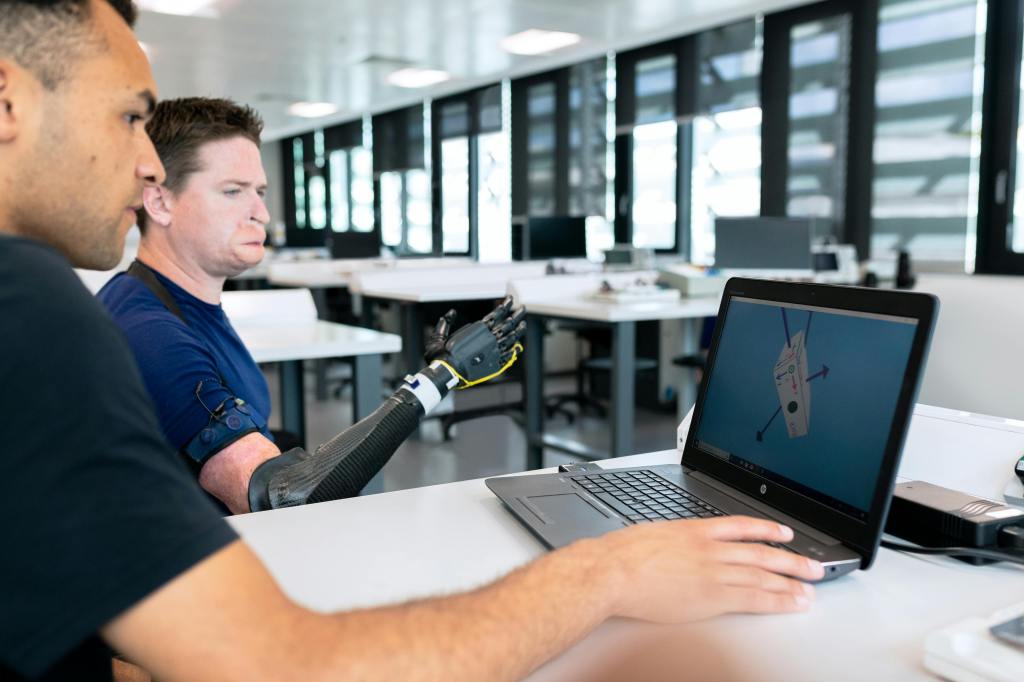
Advancements in battery technology are significantly enhancing performance and user experience. Lithium-ion and emerging solid-state batteries are extending operating times, allowing users to travel longer distances—often up to 16 miles before needing to recharge—significantly reducing downtime. Innovations such as fast-charging stations and wireless charging pads are making recharging more convenient and efficient.
Assessment Implications: Improved battery performance affects home modification recommendations:
- Charging station placement doesn’t need to be limited to bedrooms if batteries charge quickly and last longer
- Outlet accessibility becomes more important in multiple activity areas, not just sleeping spaces
- Consider backup power options for clients who rely heavily on power mobility during outages
- Discuss outdoor access planning as clients may use equipment for longer community excursions
- Recommend accessible outlets in social spaces to support all-day use patterns
Smart Home Technology Integration
Smart home technology is providing significant benefits for aging in place, particularly for older adults with mobility disabilities who comprise approximately 21% of adults 65 and older. Research shows that smart home technology can reduce feelings of isolation and loneliness while increasing support for older adults aging in place.
A comprehensive smart home technology intervention approach involves helping clients select smart home ecosystems and input methods that match their functional abilities, comfort level, and use context. This includes trialing devices and input methods using demo equipment and conducting environmental assessments to ensure compatibility with the home’s physical characteristics and power sources.
Assessment Implications: Consider how mobility technology can integrate with broader smart home systems:
- Voice-activated controls for lighting, temperature, and door locks reduce the need for physical access to switches
- Motion-sensor lighting improves safety without requiring manual operation
- Smart monitoring systems can detect falls or deviations from typical activity patterns
- Environmental controls can be accessed from mobility devices, reducing transfers
Updating Your Assessment Protocol
The American Occupational Therapy Foundation identifies technology and environmental supports as a critical research priority area, noting that evidence-based measures and interventions are needed across the lifespan in home, clinical, and community settings. To integrate technology trends into your practice, consider adding these elements to your home assessment protocol:
Enhanced Client Interview Questions
- What mobility equipment do you currently use, and when was it acquired?
- Are you planning to upgrade or change equipment in the next 1-3 years?
- What features are you interested in for future equipment? (lighter weight, smart navigation, extended battery life, etc.)
- How comfortable are you with technology and troubleshooting?
- What are your long-term mobility goals and expectations?
- Do you use or are you interested in smart home technology?
Environmental Compatibility Assessment
Following AOTA practice guidelines for home modifications, assess environmental factors that affect technology compatibility:
- Lighting conditions for optical sensors
- Power source accessibility in multiple locations
- Physical space for charging stations
- WiFi connectivity for smart features
- Acoustic environment (for voice-activated systems)
- Presence of transparent or reflective surfaces that may confuse sensors
Person-Environment-Occupation Fit
Research emphasizes the importance of assessing both individuals and their environments to determine which assistive devices might be most efficient. The occupational therapy lens provides a comprehensive understanding of person-technology and person-environment fit to support performance of everyday activities and participation in home and community settings.
Consider how technology choices align with:
- Client’s cognitive abilities and technology comfort level
- Daily activity patterns and social participation goals
- Caregiver capabilities and support system
- Budget constraints and funding sources
- Long-term adaptability needs
Evidence-Based Recommendations
Research demonstrates that home modifications are most effective when they provide tailored interventions for older adults that account for specific health conditions such as mobility, cognitive impairment, and changing needs. When technology is involved, this tailoring becomes even more critical.
Future-Proofing Strategies
When clients are investing significant resources in home modifications, consider these evidence-based approaches:
- Recommend slightly wider clearances than minimum requirements to accommodate future equipment options, as technology continues to evolve
- Suggest flexible solutions like offset hinges or swing-clear hinges instead of permanent doorway widening when appropriate for clients with newer technology
- Plan electrical infrastructure that supports current and future technology needs, including multiple accessible outlets and potential smart home integration
- Educate clients about the pace of technology change so they can make informed decisions about modification timelines and priorities
Staying Current with Technology
The American Occupational Therapy Association partners with organizations like Rebuilding Together to advance home modification programming that includes evidence-based practice strategies. To maintain technology knowledge:
- Partner with durable medical equipment (DME) providers and request regular product updates
- Pursue continuing education in assistive technology through AOTA and specialized certifications like CHAT (Certified Home Accessibility Therapist)
- Attend equipment expos where manufacturers demonstrate new technologies
- Join professional networks focused on technology and environmental supports
- Request product demonstrations when clients mention considering new equipment
- Engage with research on assistive technology and home modifications through occupational therapy journals
Addressing Implementation Challenges
While technology offers significant benefits, research identifies challenges including the high price of advanced mobility devices and increased complexity in using smart technology. As therapists, we must balance enthusiasm for innovation with realistic assessment of:
- Cost considerations: Advanced technology may not be accessible to all clients
- Cognitive demands: Smart systems require certain cognitive abilities to manage effectively
- Maintenance requirements: More complex systems may need ongoing technical support
- Training needs: Both clients and caregivers need adequate training for new technology
Documentation for funding applications (such as Medicare/Medicaid, waivers, grants, or insurance) requires comprehensive clinical justification that demonstrates how proposed equipment improvements will enhance capacity for community participation. Equipment trials provide concrete evidence of functional improvements that support funding requests.
Bringing It Together
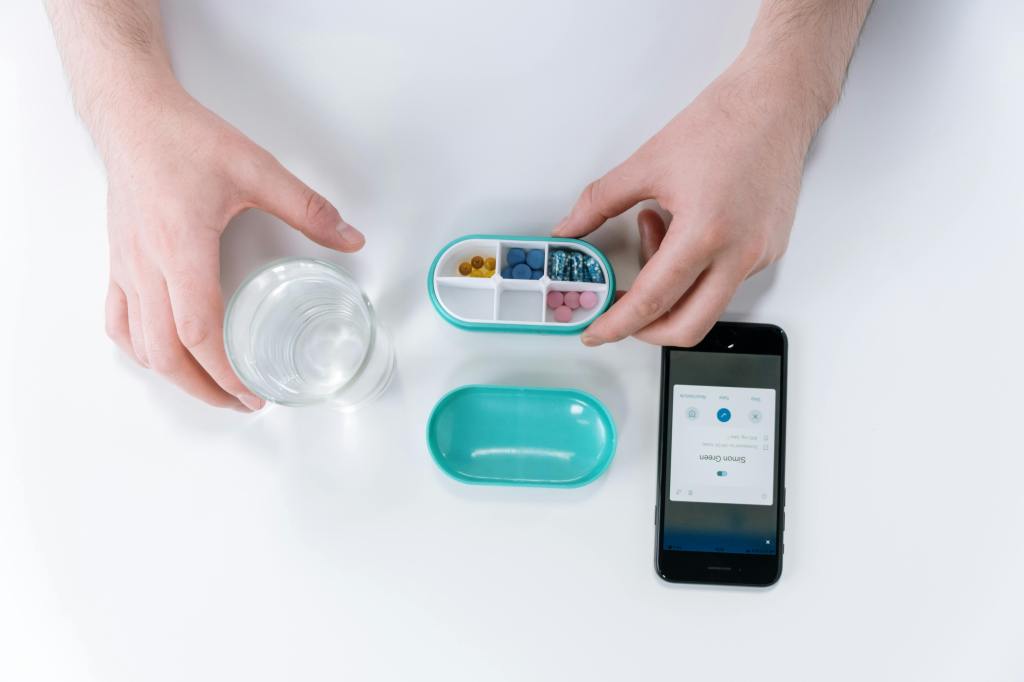
Technology and environmental supports are ubiquitous across all areas of society, serving both as a means to enhance occupational therapy interventions and as a significant form of occupational engagement and social participation. Integrating mobility technology trends into home assessments doesn’t require becoming a technology expert, but it does require curiosity about how technology is changing, willingness to ask clients about their equipment plans, and flexibility in thinking about solutions.
As home modification specialists, we’re uniquely positioned to help clients navigate the intersection of technology and environment. The AOTA Practice Guidelines for Home Modifications emphasize that interventions should address situations where a person’s abilities are incompatible with environmental demands. As mobility technology evolves, our understanding of what’s “compatible” must evolve as well.
By staying informed about mobility equipment advances, incorporating future-thinking questions into assessments, and applying evidence-based frameworks like the Person-Environment-Occupation-Performance model, we provide more valuable, cost-effective recommendations that serve clients well beyond their immediate needs. This approach aligns with occupational therapy’s commitment to supporting engagement, participation, and autonomy in home and community settings across the lifespan.
What mobility technology trends are you seeing in your practice? Share your experiences and questions in the comments below.
References
American Occupational Therapy Association. (2020, July 21). Home modifications and key community-based partnerships. https://www.aota.org/practice/practice-settings/home-modifications-key-community-partnerships
American Occupational Therapy Foundation. (2024, November 17). Technology and environmental supports in the home and community. https://www.aotf.org/About-AOTF/Research-Priorities/Research-Priorities-Initiatives/technology-and-environmental-supports-in-the-home-and-community
AOTA. (2024). Occupational therapy practice guidelines for home modifications. https://library.aota.org/OT_Practice_Guidelines_Home_Modification/
Floirendo, W. P., Nipp, H., Vander Tuig, R., & Vu, P. (2023). Wheelchair assessment specific to occupational therapy and person-environment-occupation-performance framework: A reference manual. Stanbridge University Repository. https://repository.stanbridge.edu/138/1/MSOTOC012.16.pdf
How smart mobility aids are enhancing senior independence in 2026. (2025, December 17). AllSeniors.org. https://allseniors.org/articles/how-smart-mobility-aids-are-enhancing-senior-independence-in-2026/
Lyu, J., Kim, S., Lee, D., & Mihailidis, A. (2022). In-home monitoring technology for aging in place: Scoping review. Interactive Journal of Medical Research, 11(2), e39005. https://doi.org/10.2196/39005
Robotic wheelchairs market report, 2026 edition. (2026, January 29). GlobeNewswire. https://www.globenewswire.com/news-release/2026/01/30/3229341/0/en/Robotic-Wheelchairs-Market-Report-2026-Edition-Market-to-Nearly-Double-by-2030-Reaching-312-5-Million-Increasing-Integration-of-AI-ML-and-Sensor-Technologies.html
Rogers, W. A. (2025, May 21). Study shows smart home technology to be beneficial for aging in place. University of Illinois Applied Health Sciences. https://ahs.illinois.edu/study-shows-smart-home-technology-to-be-beneficial-for-aging-in-place/
Straits Research. (2024). Robotic wheelchair market size & outlook, 2026-2034. https://straitsresearch.com/report/robotic-wheelchair-market
Universal Health Products. (2026, January 7). Top mobility trends for 2026: What’s new in wheelchairs, scooters, and accessibility technology. https://www.universalhealthproducts.ca/top-mobility-trends-for-2026-whats-new-in-wheelchairs-scooters-and-accessibility-technology/
Verdonck, M., McCormack, C., Chard, G., & Ryan, S. (2025). Mainstream smart home technology–based intervention to support aging in place for older adults with mobility limitations: Development and feasibility study. JMIR Rehabilitation and Assistive Technologies, 12, e70855. https://doi.org/10.2196/70855
 The Home Accessibility Therapist LLC
Leave a comment