
When designing a true “forever home,” most occupational therapists focus their expertise on bathrooms, kitchens, and interior mobility. But there’s a critical gap in home modification practice that’s gaining attention in 2026: outdoor accessibility.
While conversations about aging-in-place modifications are common for interior spaces, guidance for outdoor environments remains far less accessible. Yet research shows that time outdoors proves beneficial in countering challenges involved in aging, with consciously designed outdoor spaces providing opportunities to exercise, socialize, and relax—promoting both mental and physical well-being.
As I recently shared in my Design Dialogues presentation with Pleina Group, creating accessible outdoor spaces requires an intentional approach that goes beyond aesthetics. Here’s what Certified Home Accessibility Therapists need to know about this emerging area of practice.
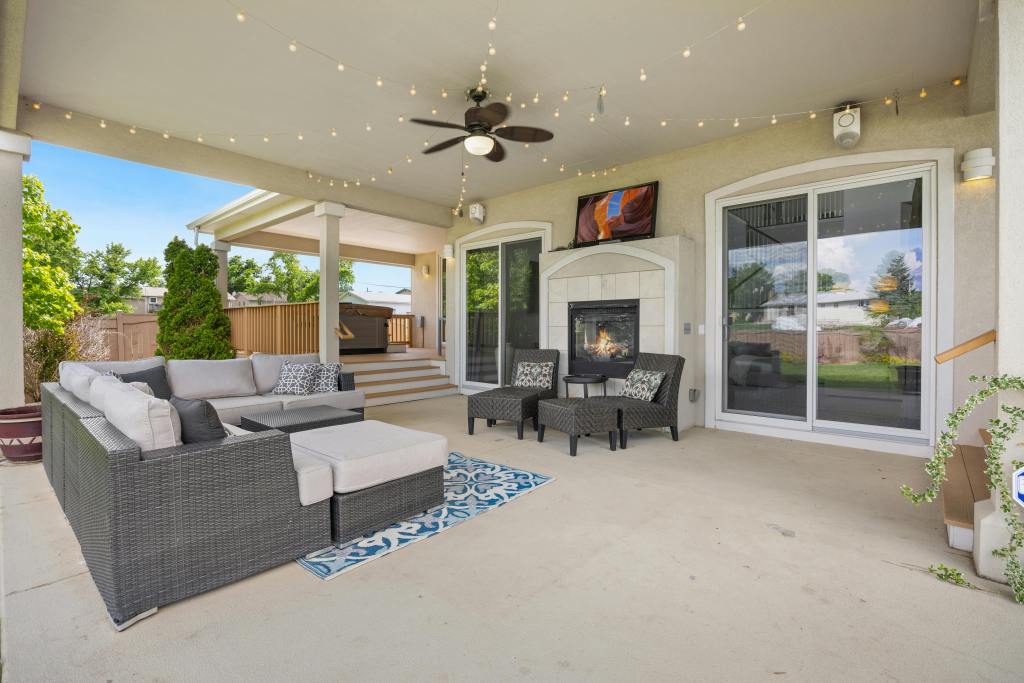
Why Outdoor Accessibility Matters Now
The statistics are compelling: 77% of adults 50 and older want to remain in their homes for the long term. Yet 90% of homes lack proper modifications to safely age in place —and this statistic typically doesn’t even account for outdoor accessibility barriers.
Outdoor spaces offer unique therapeutic benefits that interior environments cannot replicate. Spending time in nature alleviates symptoms of anxiety and depression, improves cardiovascular health, enhances cognitive function, and provides sensory stimulation that supports overall well-being. For older adults, access to safe outdoor environments can be the difference between isolation and engagement with their community.
Easy Entrances and Exits: The Foundation of Outdoor Access
The transition from indoor to outdoor space is where many accessibility plans fail. Consider these critical design elements:
- Smooth, trip-free thresholds that eliminate barriers between interior and exterior spaces
- Wide doorways (minimum 36 inches) that improve mobility and make it easier to move objects in and out
- Landing areas with no immediate steps, allowing safe transitions
- Transitional spaces like patios or awnings that help eyes adjust from artificial light to sunlight, reducing fall risk
- Doors that open easily with lever handles and offer outdoor views to encourage use
Steps and Pathways: Creating Safe Navigation Routes
Uneven walkways present the number one tripping hazard in outdoor spaces. When seniors fall onto hard outdoor surfaces, the risk of serious injury increases significantly.
Safety-boosting pathway features include:
- Width: Pathways should be 36-48 inches wide to accommodate mobility devices
- Materials: Stable, non-slip, non-glare, low-maintenance surfaces like textured concrete, rubberized asphalt, fine gravel, or stabilized decomposed granite
- Visibility enhancements: High-contrast edges/borders, soft landscape lighting, and motion-sensored lighting
- Safety features: Railings, high-contrast strips at step edges, recessed or surface-mounted step lights
- Drainage: Slight pitch to direct water away from entrances and high-traffic areas
- Ramps: Where elevation changes are necessary, properly designed ramps with handrails provide safe alternatives to steps
Comfort Elements: Encouraging Outdoor Time
Creating a sensory-rich, peaceful environment inspires more time spent outdoors. Comfortable, accessible seating makes this possible.
Key considerations:
- Versatile, well-placed seating in both sun and shade
- Chairs with armrests and slightly higher seats with cushions for easier sitting and standing
- Strategically placed resting spots along pathways
- Materials that stay cool in the sun to prevent burns and discomfort
- Shade structures and elements like pergolas, umbrellas, or gazebos to protect from heat exposure
Gardens That Give Back: Therapeutic Outdoor Activities
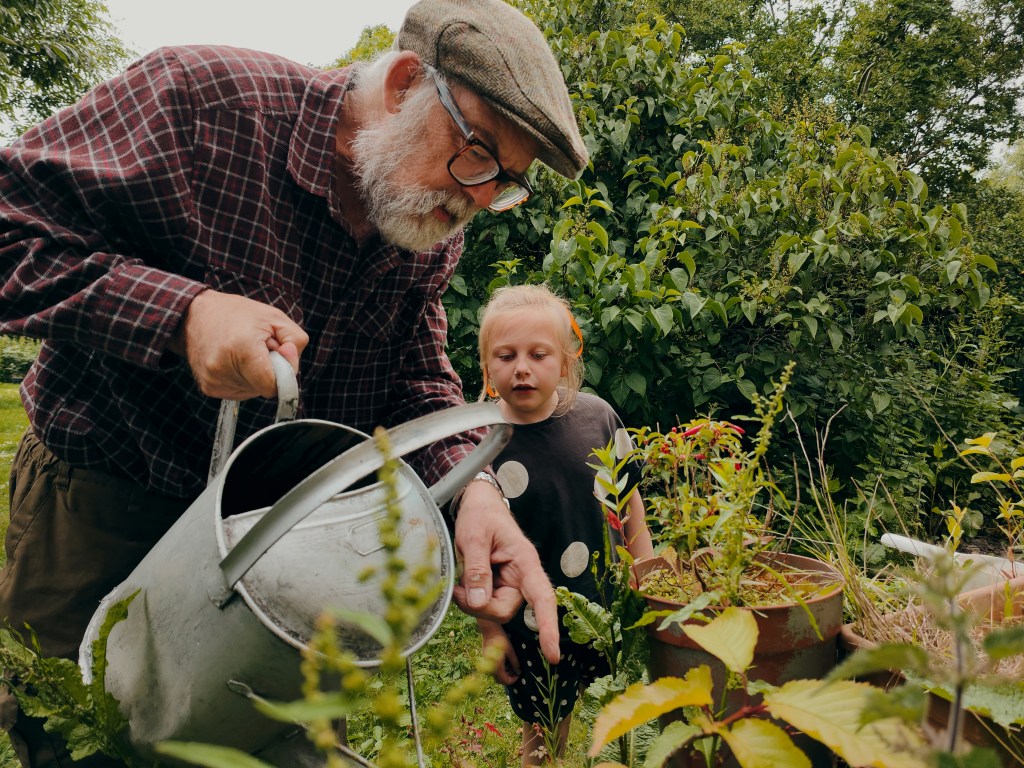
Gardening offers both physical activity and mental well-being benefits, but traditional ground-level gardens become inaccessible as mobility changes.
Accessible garden design includes:
- Raised beds, containers, and vertical gardens that eliminate bending and kneeling
- Handrails along garden paths for stability
- Strategic seating areas near planting zones
- Fragrance gardens that engage the senses
- Water features that provide soothing auditory stimulation
Research shows that gardening activities encourage physical health and social interaction, significantly benefiting quality of life for older adults.
Outdoor Kitchen Considerations: Extending Independence
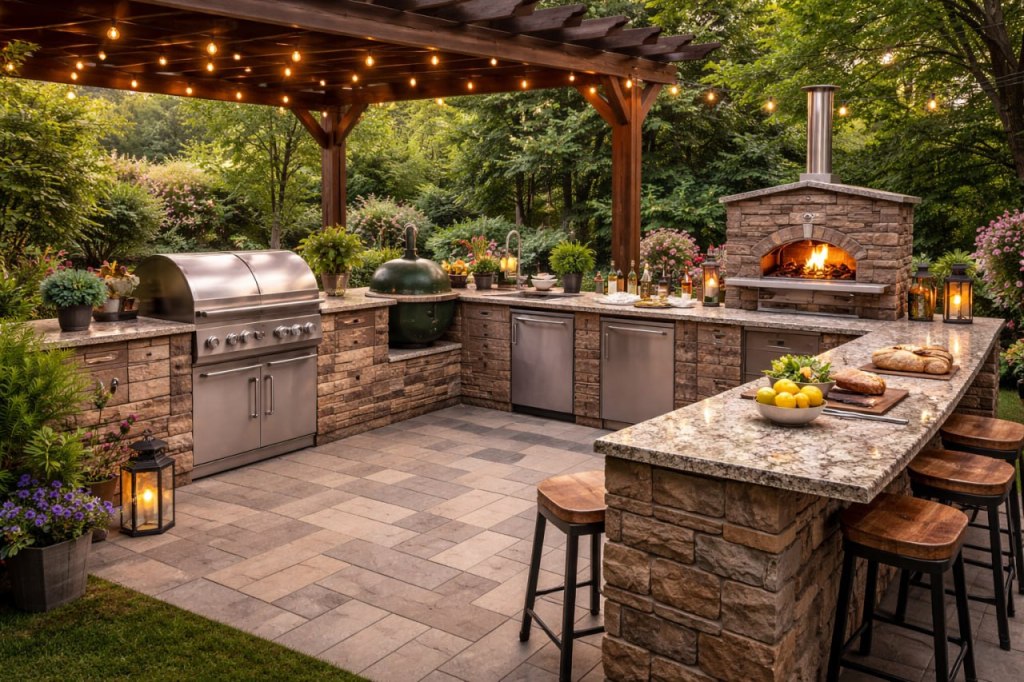
The evolution of outdoor living spaces has created new opportunities for occupational therapists to extend home modification assessments beyond interior environments. Outdoor kitchens, once considered luxury additions, are now recognized as functional spaces requiring accessibility considerations. Manufacturers like Urban Bonfire have responded by incorporating ADA-compliant features— lower counter heights, accessible storage, and front-mounted controls—into their product lines. This gives Certified Home Accessibility therapists concrete, design-forward recommendations that enable clients to maintain independence in outdoor meal preparation and social activities.
Universal design principles for outdoor kitchens:
- Clear maneuvering space and paths (minimum 42 inches for wheelchair turning radius)
- Appropriate counter heights (standard 36 inches, with some surfaces at 30-32 inches for seated use)
- Accessible storage using drawers or pull-outs instead of deep cabinets
- Front-mounted appliance controls
- Lever handles and easy-to-use sinks/faucets
- Knee clearance under work surfaces for wheelchair users
The 2026 Outdoor Accessibility Trend
This shift toward outdoor accessibility aligns with broader design trends in senior living. In 2026, communities increasingly emphasize blurring indoor-outdoor boundaries, incorporating flexible glass doors, seamless transitions to patios, and modular spaces that adapt to changing needs.
Investment in outdoor recreation accessibility is growing. Companies focused on outdoor equipment and adaptive technology are planning long-term strategies to ensure outdoor environments accommodate diverse mobility needs.
Implementation Strategies for CHAT therapists
As home modification specialists, occupational therapists are uniquely positioned to lead this conversation. Here’s how to integrate outdoor accessibility into your practice:
- Expand your assessment protocol to include exterior spaces, pathways, gardens, and outdoor living areas
- Collaborate with landscape architects, outdoor kitchen designers, and contractors who understand universal design principles
- Educate clients about the therapeutic benefits of outdoor access to increase buy-in
- Prioritize modifications that provide the greatest safety impact first (typically entrances, pathways, and lighting)
- Consider climate and seasonal factors specific to your region when making recommendations
The Bottom Line
Outdoor spaces are no longer an afterthought in aging-in-place planning—they’re an essential component of holistic home modification practice. By extending our assessment and intervention strategies beyond interior walls, we can significantly improve quality of life, independence, and well-being for our clients.
As I emphasized in my recent presentation, an intentional approach is essential. Every outdoor space presents unique challenges and opportunities, and thoughtful design can transform barriers into pathways for continued engagement with nature, community, and meaningful activity.
Want to learn more? Watch my full Design Dialogues presentation on “Outdoor Spaces That Support Living Well” here: https://www.pleina.com/design-dialogues/v/episode-13-spaces-that-support-living-well Join our CHAT community to discuss innovative approaches to outdoor accessibility assessment and intervention.
Resources:
- The Home Accessibility Therapist CHAT Program: www.thehomeaccessibilitytherapist.com
- Design Dialogues Presentation: https://www.pleina.com/design-dialogues/v/episode-13-spaces-that-support-living-well
What outdoor accessibility challenges are you seeing in your practice? Share your experiences in the comments below or join the conversation in our Facebook community.
Dr. Susan D. Doyle, PhD, OTR/L
CEO, The Home Accessibility Therapist LLC
References
3 Birds Accessibility. (2025, December 25). Aging in place home modifications: The complete guide for 2026. https://www.3birdsaccessibility.com/blog-details/aging-in-place-home-modifications-the-complete-guide-for-2026
All Seniors. (2026, January 26). 2026 senior placement trends for aging adults and caregivers. https://allseniors.org/articles/top-trends-in-senior-placement-for-aging-adults-and-caregivers-in-2026-2/
Applewood Our House. (2023, August 27). Outdoor therapies for seniors with dementia. https://applewoodourhouse.com/outdoor-therapies-for-seniors-with-dementia/
Canaan Home Care. (2024, February 26). How to create senior-friendly outdoor spaces. https://www.cananahomecare.com/home-care-how-to-create-senior-friendly-outdoor-spaces/
Doyle, S. D. & Smith, A. (2026). Outdoor spaces that support living well [Presentation]. Design Dialogues, Pleina Group. https://www.pleina.com/design-dialogues/v/episode-13-spaces-that-support-living-well
Integrity Homes. (2024, October 1). Building a home for aging in place: Design features for long-term accessibility. https://www.integrityhomesbuild.com/building-a-home-for-aging-in-place-design-features-for-long-term-accessibility
Koelsch Senior Communities. (2024, December 8). Integrating nature and outdoor spaces in senior living. https://koelschseniorcommunities.com/resource/integrating-nature-and-outdoor-spaces-in-senior-living/
Paragon Home Care. (2025, March 30). How to make your home’s outdoor space more senior-friendly. https://paragonhomecare.com/outdoor-space/
Seniors Housing Business. (2026, January 22). Five design trends to watch in 2026. https://seniorshousingbusiness.com/five-design-trends-to-watch-in-2026/
The Care Concierges. (2025, February 25). Exploring green spaces: How nature therapy benefits seniors. https://www.thecareconcierges.com/exploring-green-spaces-how-nature-therapy-benefits-seniors
Yahoo News. (2026, January 8). Public input sought on outdoor recreation accessibility. https://www.yahoo.com/news/articles/public-input-sought-outdoor-recreation-123900461.html
YouTube. (2025, July 28). Tech Tuesday: Aging in place with outdoor assistive technology [Video]. https://www.youtube.com/watch?v=B-eqhRWRvaQ
 The Home Accessibility Therapist LLC
Leave a comment