The home accessibility industry is experiencing a pivotal transformation in 2026, and Certified Home Accessibility Therapists (CHAT) are at the forefront of this evolution. With technology integration, demographic shifts, and new care delivery models reshaping the landscape, staying informed about these trends is essential for providing cutting-edge services to clients.
The Smart Home Revolution Has Arrived
Gone are the days when home accessibility meant only ramps, grab bars, and stair lifts. Today’s home accessibility sector is embracing smart home technologies and connected environments that fundamentally change how we support independence. The numbers tell a compelling story: the assistive technology market for persons with disabilities and aging adults is projected to reach $46 billion by 2030, with a 9% compound annual growth rate from 2025. Even more impressive, smart home healthcare specifically is predicted to reach over $284 billion by 2034.
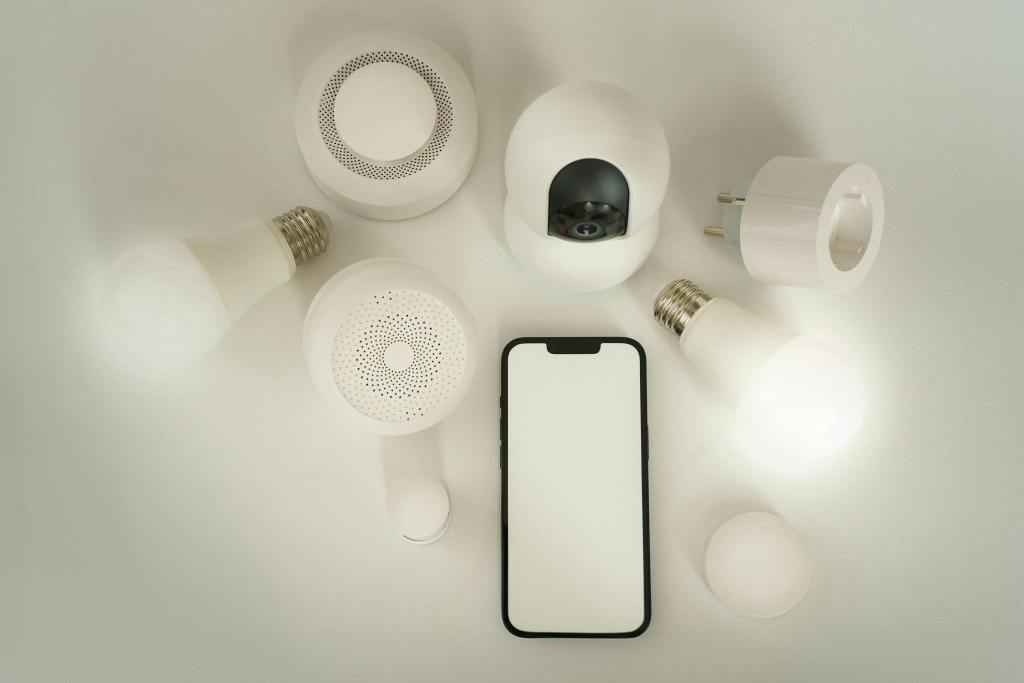
What does this mean for your practice? Clients increasingly expect solutions that combine physical modifications with smart technologies such as:
- Remote monitoring systems that track vital signs and detect falls
- Voice-activated controls for lighting, temperature, and security
- Smart medication dispensers with reminders
- Connected sensors that alert caregivers to potential safety risks
- Automated door locks and camera systems for enhanced security
As a CHAT therapist, developing familiarity with these technologies and understanding how they integrate with traditional modifications will become increasingly important to meeting client expectations.
Team-Based Care Is the New Standard
The siloed approach to home accessibility is giving way to holistic partnerships. Home accessibility providers are increasingly collaborating with healthcare providers, occupational therapists, and aging-in-place specialists to create comprehensive care environments that address physical, cognitive, and social needs.
This trend creates exciting opportunities for CHAT therapists to position themselves as essential members of integrated care teams. Your comprehensive home assessments now need to evaluate both traditional access barriers and smart technology opportunities, requiring you to understand how these systems work together seamlessly. Building relationships with technology providers, durable medical equipment suppliers, and healthcare systems will be crucial for success in this collaborative environment.
The Silver Tsunami Demands Expertise
The demographic imperative driving our industry cannot be overstated. By 2040, older adults are expected to comprise 22% of the U.S. population, totaling approximately 78.3 million people. This massive shift has elevated home accessibility solutions from afterthoughts to integral components of the healthcare continuum.
Current market dynamics reinforce this trend. While occupancy rates in senior living communities have reached their highest levels, new construction remains constrained by elevated costs. The result? More older adults are choosing to age in place, creating sustained and growing demand for the specialized expertise that CHAT therapists provide. This isn’t a temporary surge—it’s a fundamental restructuring of how Americans approach aging.
Sustainability Meets Functionality
Environmental consciousness is reshaping client expectations and industry standards. Today’s home accessibility solutions must be functional, sustainable, and adaptable to changing needs. This reflects broader concerns about supply chain resilience and environmental impact, particularly following economic challenges and tariff impacts that affected manufacturing costs in 2025.
For CHAT therapists, this means considering the lifecycle of modifications, recommending products with longevity, and designing solutions that can evolve with clients’ changing needs rather than requiring complete replacement. American-made innovation is gaining renewed emphasis as clients and providers alike prioritize supply chain reliability.
New Opportunities in Workforce Development
Here’s a challenge that represents tremendous opportunity: there is a notable shortage across the U.S. of companies and professionals who can sell, install, and provide ongoing technical support for smart home devices. This gap creates significant opportunities for CHAT therapists who invest in specialized training for smart home integration.
Consider expanding your skillset to include:
- Basic smart home device installation and troubleshooting
- Understanding of cybersecurity considerations for connected home systems
- User-centered design principles for technology adoption
- Training family members and caregivers on system use
- Ongoing technical support and system optimization
CHAT therapists who bridge the gap between traditional home modifications and smart technology will be uniquely positioned to meet evolving client needs and differentiate their services in a competitive marketplace.
Looking Ahead
The convergence of demographic necessity, technological innovation, and team-based care models is creating an unprecedented moment for the home accessibility profession. As CHAT therapists, your specialized training in evaluating homes and recommending modifications positions you perfectly to lead in this evolving landscape—but only if you stay ahead of these trends.
The question isn’t whether these changes will affect your practice, but how quickly you’ll adapt to capitalize on the opportunities they present. By embracing smart home technologies, building collaborative relationships, and investing in continuous education, you can ensure your practice not only survives but thrives in 2026 and beyond.
References:
Dover, K. 2025. Smart home trends of 2026. Retrieved from: https://dcstructures.com/blog/smart-home-trends-2026/
EZ-Access, 2025. Looking Ahead: Accessibility Trends for 2026. Retrieved from: https://ezaccess.com/blogs/main-blog/future-of-accessibility-2026-american-made-innovation
Automation Edge, 2025. Top 5 Home Care Trends You Can’t Afford to Miss in 2026. Retrieved from: https://automationedge.com/home-health-care-automation/blogs/top-5-home-care-trends-you-cant-afford-to-miss-in-2026/
Petito, C., 2025. Building a Better Tomorrow and Planning for 2026. VGm Live at Home. Retrieved from: https://www.vgm.com/communities/live-at-home/building-a-better-tomorrow/
 The Home Accessibility Therapist LLC
Leave a comment