
Therapists play a crucial role in fall prevention, not just by addressing physical factors, but also by advocating for safe medication management and interdisciplinary collaboration. The evidence is clear: the combination of certain medications and polypharmacy (multiple drugs) significantly elevates older adults’ fall risk—so specific, research-based action is needed.
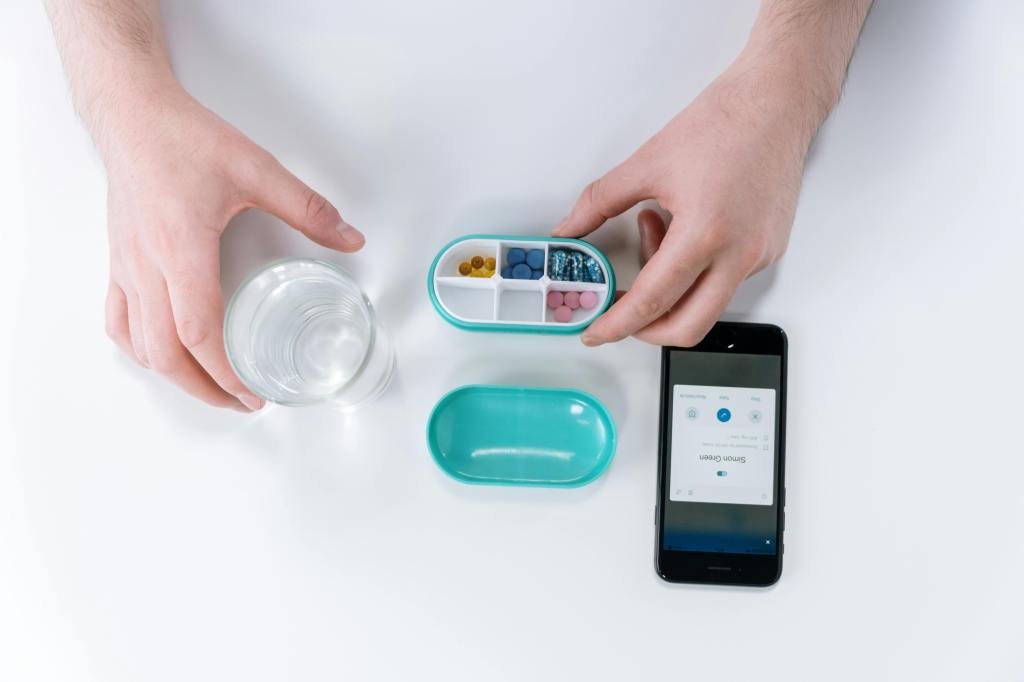
Key Drugs That Increase Fall Risk
Several drug classes are robustly linked to increased fall rates in older adults. Physical and occupational therapists should recognize these as major red flags during fall risk assessments:
- Benzodiazepines and other sedative-hypnotics (e.g., lorazepam, zolpidem, eszopiclone)
- Opioids (oxycodone, morphine)
- Antidepressants (SSRIs, TCAs, SNRIs)
- Antipsychotics (haloperidol, risperidone, quetiapine)
- Antihypertensives, including ACE inhibitors (e.g., lisinopril) and beta-blockers
- Muscle relaxants (baclofen, cyclobenzaprine)
- NSAIDs (ibuprofen, naproxen)
- Antiepileptics/anticonvulsants
- Diuretics
These drugs—when started, increased, or combined—can cause confusion, sedation, dizziness, impaired balance, or orthostatic hypotension.
Polypharmacy and Fall Risk: What’s the Evidence?
Polypharmacy—often defined as four or more medications per day—raises the likelihood of falls by 21% to 90%, depending on the population and study design. Key findings:
- Community studies show that 55.6% of older adults have polypharmacy; up to 32% had fallen in a 12-month period.
- Taking two or more psychotropic medications nearly doubles the likelihood of recurrent falls (adjusted odds ratio [aOR] 1.95).
- Each additional prescription medication increases recurrent fall risk by 21%.
- Participants with polypharmacy had a fall rate of 175 per 1,000 person-years, versus 121 for those without; the risk is consistently higher regardless of age adjustments.
Therapist Action Steps: Assessment, Advocacy, and Collaboration
Therapists can dramatically reduce fall injuries by integrating the following strategies:
1. Screen for Medication Risks
- Include a medication review as part of your fall risk assessment: Ask clients about all drugs, including over-the-counter and herbal remedies.
- Note any recent changes in prescriptions, doses, or new medication classes—especially within the first two weeks, when risk is highest.
2. Interdisciplinary Communication
- Coordinate with pharmacists and prescribers to flag FRIDs and polypharmacy. Therapists can prompt a comprehensive review and deprescribing discussion for medications with limited benefit or high risk.
- Participate in care conferences; use evidence such as increased odds ratios and rates described above to advocate for medication adjustments.
3. Client and Family Education
- Educate patients and families on the fall risks of specific medications, using concrete examples and research-based numbers.
- Empower clients to discuss medication side effects and alternatives with their physicians. Provide handouts or direct them to reliable resources such as the CDC’s STEADI toolkit.
4. Monitoring and Functional Adaptation
- Monitor for signs of drowsiness, dizziness, orthostatic drop, and changes in gait with medication changes.
- Modify therapy plans or scheduling to avoid high-risk periods (e.g., within an hour of taking sedatives or antihypertensives).
5. Advocate for Medication Reviews
- Encourage at least annual comprehensive drug reviews for all clients over age 65—or sooner after falls, hospitalizations, or medication changes.
- Suggest monitoring cognitive and postural changes for anyone on known FRIDs, even if a fall hasn’t occurred.
Research Insights: Why Therapist Action Is Essential
Research supports that targeted deprescribing and medication review interventions can reduce falls dramatically:
- A randomized controlled trial showed a 66% reduction in falls after psychotropic medication withdrawal.
- Medication management programs (e.g., STEADI-Rx) have the potential to prevent over 40,000 medically treated falls and save over $400 million annually in the US alone.
- Despite recommendations, only about 15% of pharmacist suggestions for medication changes are implemented—so therapists must be strong advocates alongside pharmacists.

Summary Table: Drugs and Their Fall Risks
Final Thought
Every therapist working with older adults can significantly reduce fall risk by making medication review and interdisciplinary action standard practice. By tracking the use of high-risk drugs and the total medication count, and by initiating evidence-based conversations with patients and prescribers, therapists turn research into real-world prevention.
References:
- Centers for Disease Control and Prevention. (n.d.). STEADI Fact Sheet: Medications Linked to Falls. https://www.cdc.gov/steadi/media/pdfs/STEADI-FactSheet-MedsLinkedtoFalls-508.pdf
- Akın, S., Şentürk Durmuş, N., Soysal, T., Fırat Özer, F., Gökçekuyu, B. M., & Ertürk Zararsız, G. (2024). Polypharmacy and Falls-risk-increasing Drugs in Community-dwelling Older Adults. European Journal of Geriatrics and Gerontology, 6(1), 65-72. https://doi.org/10.4274/ejgg.galenos.2023.2023-9-6
- Genomind. (2021, July 26). Preventing medication-related falls in older adults. https://genomind.com/providers/preventing-medication-related-falls-in-older-adults/
- Sy, P. (2025, October 9). Health US News. Medications that increase fall risk in older adults. https://health.usnews.com/senior-care/articles/medications-that-increase-fall-risk-in-older-adults
- Mayo Clinic. (2025, January 29). Medicines that increase fall risk in older adults. https://www.mayoclinic.org/healthy-lifestyle/healthy-aging/in-depth/fall-risk/art-20572713
- Mayo Clinic. (2024, June 13). Fall prevention: Simple tips to prevent falls. https://www.mayoclinic.org/healthy-lifestyle/healthy-aging/in-depth/fall-prevention/art-20047358
- Alicehajic, D., Smith, H. (2024, January). NHS Specialist Pharmacy Service: Reviewing medicines for people at risk of falls. https://www.sps.nhs.uk/wp-content/uploads/2024/01/Medicines-and-Falls-SPS-final-1-24_SPS-logo_Slido_updated.pdf
- White N. D. (2021). Mitigating Medication-Related Fall Risk Through Pharmacist-Prescriber Collaboration. American journal of lifestyle medicine, 15(6), 602–604. https://doi.org/10.1177/15598276211035361
- Ming, Y., & Zecevic, A. (2018). Medications & Polypharmacy Influence on Recurrent Fallers in Community: a Systematic Review. Canadian geriatrics journal : CGJ, 21(1), 14–25. https://doi.org/10.5770/cgj.21.268
- Seppala, L. J., Wermelink, A. M. A. T., de Vries, M., Ploegmakers, K. J., van de Glind, E. M. M., Daams, J. G., van der Velde, N., & EUGMS task and Finish group on fall-risk-increasing drugs (2018). Fall-Risk-Increasing Drugs: A Systematic Review and Meta-Analysis: II. Psychotropics. Journal of the American Medical Directors Association, 19(4), 371.e11–371.e17. https://doi.org/10.1016/j.jamda.2017.12.098
- Dhalwani, N. N., Fahami, R., Sathanapally, H., Seidu, S., Davies, M. J., & Khunti, K. (2017). Association between polypharmacy and falls in older adults: a longitudinal study from England. BMJ open, 7(10), e016358. https://doi.org/10.1136/bmjopen-2017-016358
- Jeevanji, S., Mean, M., Aubert, C. E., Hilfiker, R., & Gentizon, J. (2025). Prevalence and types of fall-risk-increasing drugs identified by STOPPFall in hospitalized older adults: A retrospective observational study. Applied nursing research : ANR, 84, 151982. https://doi.org/10.1016/j.apnr.2025.151982
- Alenazi A. M. (2023). Number of medications and polypharmacy are associated with risk of fall in Saudi community-dwelling adults. Saudi pharmaceutical journal : SPJ : the official publication of the Saudi Pharmaceutical Society, 31(2), 185–190. https://doi.org/10.1016/j.jsps.2022.12.002
- University of Nebraska Medical Center. (n.d.). Interventions to reduce fall risk related to medication use. https://www.unmc.edu/patient-safety/capturefalls/roadmap/interventions/medications/index.html
- Health Quality & Safety Commission New Zealand, (2022). Medicines: balancing intended benefits and increased falls risk. https://www.hqsc.govt.nz/assets/Our-work/System-safety/Reducing-harm/Falls/Projects/Topics-1-10-reupload/Topic-EIGHT-June-2020.pdf
 The Home Accessibility Therapist LLC
Leave a comment