As occupational therapists specializing in home modifications, understanding the diabetes-fall connection is essential for comprehensive client assessment and intervention planning. Clients with diabetes face twice the fall risk compared to those without diabetes, making our role in environmental assessment and modification critical to their safety and independence.
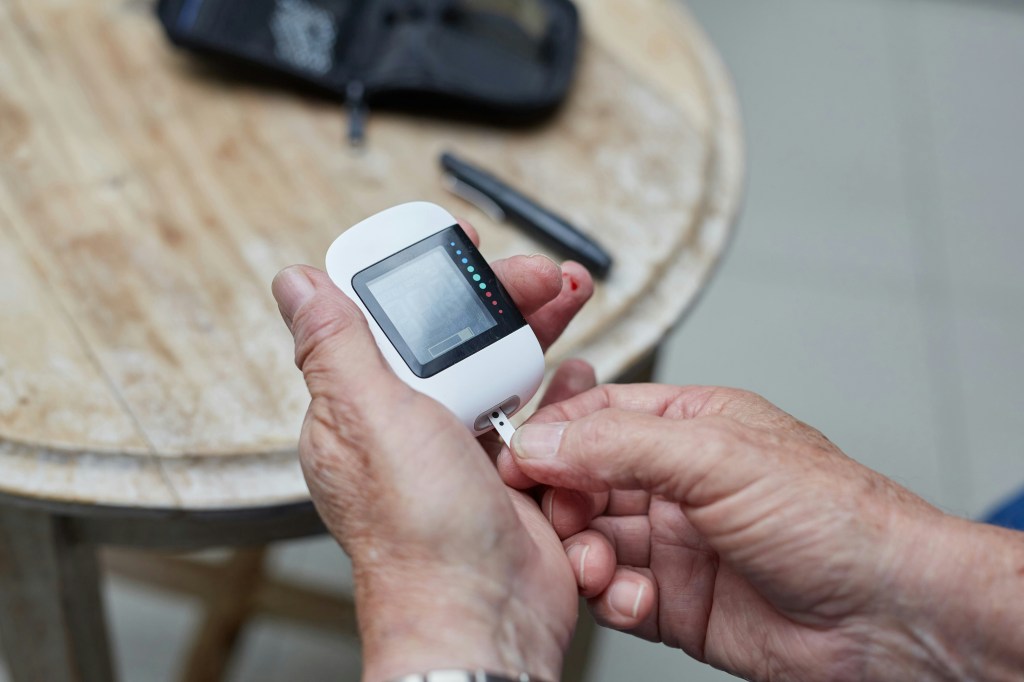
Clinical Assessment of Diabetes-Related Fall Risk Factors
During home evaluations, assess how diabetes complications impact your client’s functional mobility and environmental interaction. Peripheral neuropathy, affecting up to 50% of people with diabetes, significantly reduces proprioceptive feedback and sensation in feet, making clients unable to detect ground surface changes or feel when they’re stepping on hazards. Test protective sensation using monofilament testing during your assessment to determine neuropathy severity and its impact on mobility.
Diabetic retinopathy and vision changes impair depth perception, contrast sensitivity, and visual acuity, making environmental hazards less visible to clients. Include vision screening in your assessment protocol and note how lighting conditions affect client navigation throughout the home. Orthostatic hypotension and blood sugar fluctuations can cause sudden dizziness, weakness, and balance loss, requiring modifications that support safe recovery if these episodes occur.
Evidence-Based Modification Recommendations by Room
Bathroom Modifications: Prioritize bathrooms in your assessment, as wet surfaces combined with diabetes-related balance issues create the highest fall risk. Recommend grab bars following ADA guidelines but adjusted based on your client’s specific sit-to-stand patterns and transfer techniques. Document the exact placement needed for their functional approach rather than standard positioning.
Specify non-slip flooring or mats with proper drainage to prevent water pooling. For clients with neuropathy who cannot feel water temperature, recommend anti-scald devices and thermostatic mixing valves to prevent burns. Include motion-sensor lighting with adequate illumination (minimum 100 lumens) for nighttime bathroom visits, particularly important for clients experiencing nocturia.

Kitchen Safety Modifications: During kitchen assessments, evaluate your client’s meal preparation routines and medication management needs. Recommend storage reorganization that places frequently used items between shoulder and hip height to eliminate risky reaching that can cause balance loss. For clients experiencing hypoglycemic episodes, designate easily accessible emergency snack storage in multiple locations.
Assess flooring for slip resistance and recommend immediate cleanup protocols for spills, as clients with neuropathy cannot feel wet surfaces underfoot. Consider seated work surfaces for clients who experience fatigue or balance difficulties during meal preparation. Ensure adequate task lighting over preparation areas, as diabetes-related vision changes make food preparation more challenging.
Bedroom and Circulation Routes: Measure pathway widths and identify obstacles that create trip hazards, particularly concerning for clients who cannot feel when they’re stepping on objects. Recommend removing or securing all loose rugs, as these create invisible hazards for those with peripheral neuropathy. Specify placement of motion-activated lighting along all nighttime travel routes with adequate illumination to trigger remaining vision capabilities.
Document furniture edges that pose collision risks and recommend corner guards or rearrangement. Assess bed height for safe transfers and recommend adjustments if needed, as clients with diabetes often have reduced lower extremity strength.
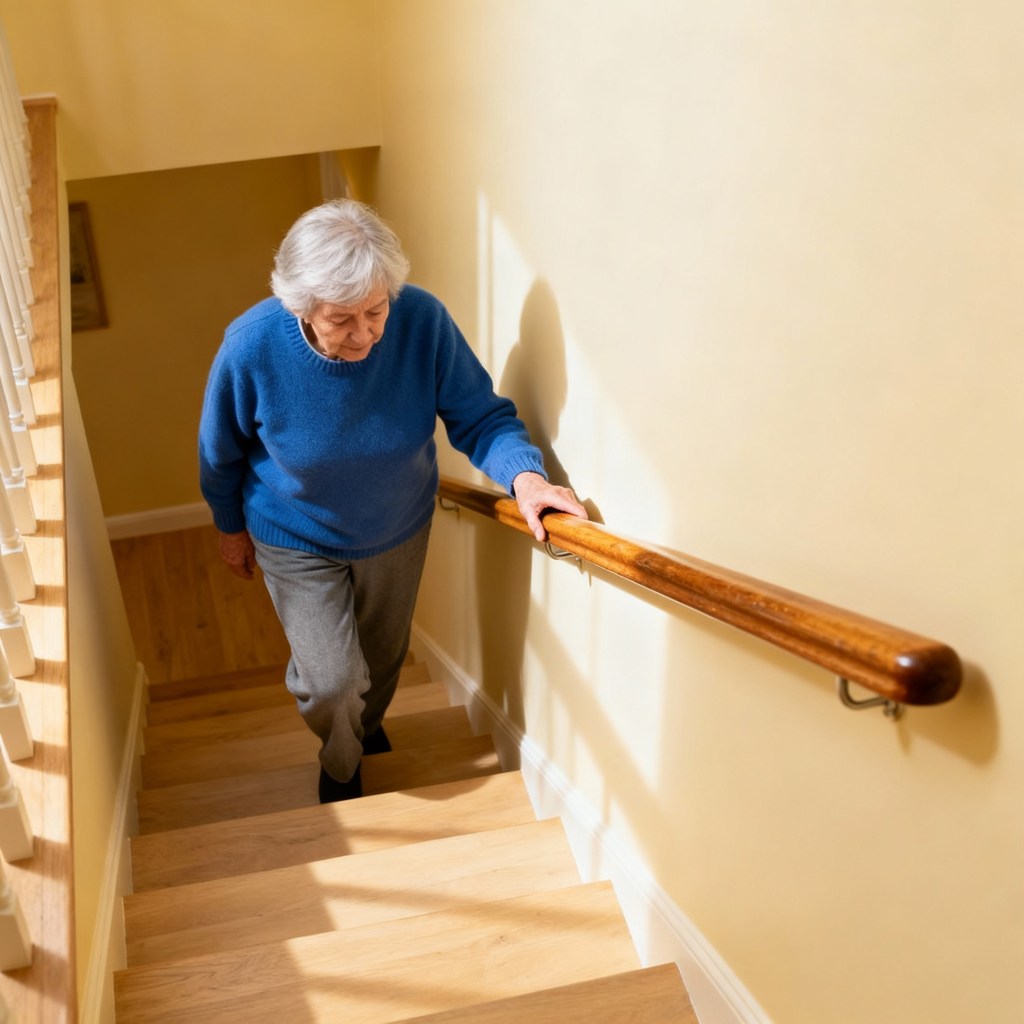
Stairway Safety: Conduct detailed stair assessments including riser height, tread depth, handrail presence and stability, and lighting adequacy. Recommend bilateral handrails extending beyond the top and bottom steps to support safe navigation when vision or proprioception is impaired. Specify non-slip tread application for all steps and high-contrast edge marking to improve visibility for clients with diabetic retinopathy.
Comprehensive Assessment Documentation
Document not just current fall risks but anticipated changes as diabetes progresses. Include recommendations for monitoring progression of neuropathy and vision changes that may require additional modifications over time. Provide clients with clear prioritization of modifications based on fall risk severity and functional impact.
Collaborate with the client’s diabetes management team to understand their specific complications, medication regimen, and typical blood sugar patterns. This interdisciplinary approach ensures your modifications support both safety and diabetes self-management activities.
Your expertise in environmental assessment and modification is essential for preventing the falls that threaten independence for clients managing diabetes.
References:
American Diabetes Association Professional Practice Committee. (2025). 13. Older adults: Standards of care in diabetes—2025. Diabetes Care, 48(Supplement_1), S266-S280. https://doi.org/10.2337/dc25-S013
Developing fall prevention interventions for older adults. (n.d.). Wayne State University, College of Public Health Sciences, Department of Occupational Therapy. https://cphs.wayne.edu/occupational-therapy/resources/fall_-_fall_prevention_interventions.pdf
Diabetes and fall prevention strategies. (n.d.). Wayne State University, College of Public Health Sciences, Department of Occupational Therapy. https://cphs.wayne.edu/occupational-therapy/resources/diabetes_-_diabetes_and_fall_prevention_strategies.pdf
Doubek Medical. (2025, September 4). Fall prevention starts at home: 5 simple upgrades that make a big difference. https://doubekmedical.com/2025/09/04/fall-prevention-starts-at-home-5-simple-upgrades-that-make-a-big-difference/
Ezra Home Care. (2024, June 18). Diabetic home care tips: Creating a safe home environment. https://www.ezrahomecare.com/home-care-blog/diabetic-home-care-tips-creating-a-safe-home-environment
Home modifications for fall prevention: Creating a safer living space. (2025, January 20). Dakota Home Care. https://dakotahomecare.com/home-modifications-for-fall-prevention-creating-a-safer-living-space/
Lima, K. (2025).How occupational therapy enhances home safety for seniors. (March 11). Great Lakes Home Health Care. https://www.greatlakeshhc.com/how-occupational-therapy-enhances-home-safety-for-seniors/
Palm Medical Centers. (2024, December 5). Managing diabetes during the holidays: Tips for elderly patients. https://www.palmmedicalcenters.com/managing-diabetes-during-the-holidays-tips-for-elderly-patients/
Paton, J. S., Roberts, A., Bruce, G. K., & Marsden, J. (2013). Does footwear affect balance?: the views and experiences of people with diabetes and neuropathy who have fallen. Journal of the American Podiatric Medical Association, 103(6), 508–515. https://doi.org/10.7547/1030508
Pijpers, E., Ferreira, I., de Jongh, R. T., Deeg, D. J., Lips, P., Stehouwer, C. D., & Nieuwenhuijzen Kruseman, A. C. (2012). Older individuals with diabetes have an increased risk of recurrent falls: Analysis of potential mediating factors: The Longitudinal Ageing Study Amsterdam. Age and Ageing, 41(3), 358-365. https://doi.org/10.1093/ageing/afr145
Strom, J. (n.d.). Fall prevention interventions: A comprehensive guide. Quality Insights. https://www.qualityinsights.org/fall-prevention-interventions
National Council on Aging, (2025). 2025 National Falls Prevention Action Plan. Sound Generations. https://soundgenerations.org/wp-content/uploads/250314-FINAL-NCOA-2025-FALLS-PREVENTION-V1-1.pdf
Vinik, A. I., Camacho, P., Reddy, S., Valencia, W. M., Trence, D., Matsumoto, A. M., & Morley, J. E. (2017). Aging, diabetes and falls. Endocrine Practice, 23(9), 1117-1139. https://doi.org/10.4158/EP171794.RA
 The Home Accessibility Therapist LLC
Leave a comment