
October is Mental Health Awareness month, and occupational therapists who specialize in home modifications can make a significant impact on the mental health and overall well-being for seniors who face challenges at home. Home modifications are far more than a set of physical changes—they are catalysts for independence, emotional well-being, and relief for both older adults and their caregivers. The latest scoping review by Hutchinson et al. (2025) synthesizes outcomes from 38 international studies, offering occupational therapists a powerful narrative to empower families and unlock better mental health in the community.
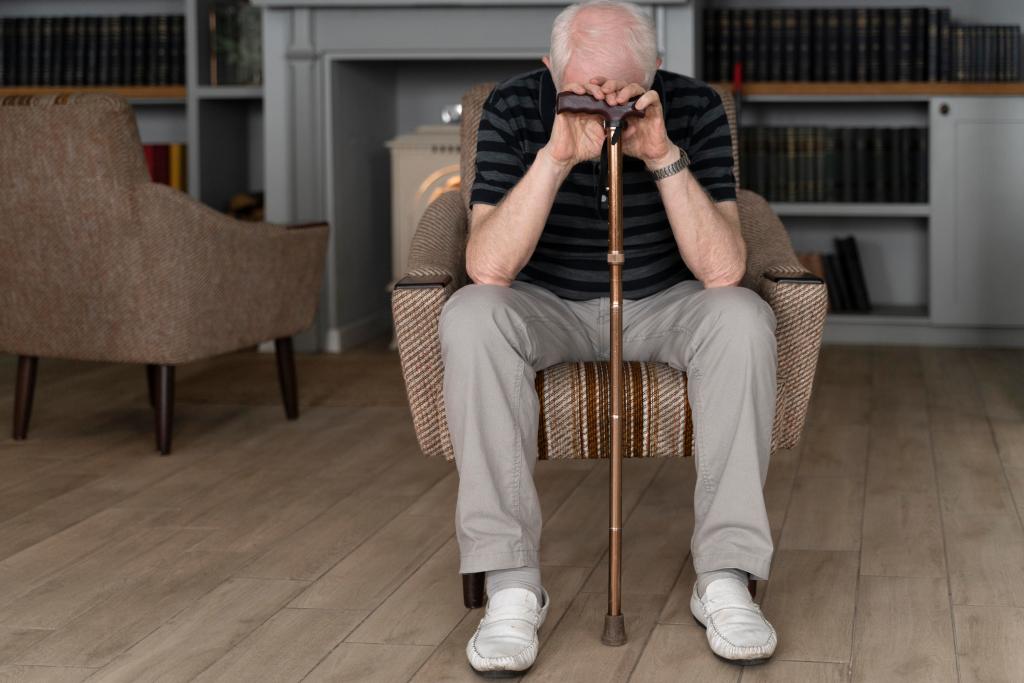
Life’s transitions can trigger anxiety.
Clients aged 50 and above—and their families—often feel anxious about remaining safe, independent, and connected as they age. Fear of falling, pain, social isolation, confusion about available resources, and stigma around “looking disabled” can erode confidence and well-being. Many therapists struggle to convince families of the full value of home modifications, especially when costs, funding processes, or aesthetic concerns arise.
What Does the Evidence Say?
The review found 19 positive outcomes from home modifications, including measurable reductions in falls, fear of falling, pain, and direct improvements in functional ability (ADLs).
- Older adults gain emotional well-being, social engagement, and the ability to remain in their homes longer.
- Family caregivers report better emotional health, reduced physical burdens, and increased family flexibility.
- Home modifications like grab bars, ramps, accessible showers, widened doors, improved lighting, and decluttering can be affordable and life-changing.
Importantly, benefits are not just physical—outcomes include enhanced confidence, comfort, freedom from excessive planning, and restoration of everyday activities.
Negative Outcomes: What Therapists Must Address
A minority of participants cited negative feelings, such as stigma or dissatisfaction with aesthetics—reminders for OTs to approach modifications collaboratively and with empathy, using person-centered design and education to minimize these impacts.
The Role of the Occupational Therapist: A Trusted Guide
Skilled OTs do more than recommend grab bars—they deliver comprehensive assessments, evidence-based recommendations, can coordinate multi-trade renovations, and match solutions to individual values, routines, and lifestyles. This tailored approach is what transforms houses into thriving, accessible homes—for both client and family.
Therapists trained in advanced home modification know how to address the full spectrum of outcomes flagged in the review. With certification, OTs gain the tools to anticipate stigma, tackle design barriers, and optimize both mental and physical health.
The Plan: Transform Lives, Boost Well-being
- Begin with a holistic OT assessment that includes both clients and caregivers.
- Use research-backed solutions for safety and engagement, like bath renovations, lighting upgrades, ramps, and decluttering.
- Apply client-centered principles to ensure aesthetic preferences and emotional comfort are considered.
- Connect clients and families to funding options and coach them through installation processes.

Specialize and Expand Your Impact
Therapists who invest in certification—like the Certified Home Accessibility Therapist program—are equipped to lead families through uncertainty, resolve the hidden challenges, and deliver measurable, lasting results. The evidence is clear: skilled OTs help families stay home, live well, and reduce the emotional and physical toll of aging. Are you ready to improve mental health throughout your community?
By mastering research-backed home modifications, occupational therapists have the power to solve real problems—not just for individuals, but for entire families—making every home safer, happier, and more connected than ever. This is the transformation that advanced OT training promises, and it’s why the next step is certification.
REFERENCES:
Hutchinson, C., Block, H., Dymmott A, et al., (2025). Home Modification Outcomes for Adults Aged 50 Years and Over and Their Relatives: A Scoping Review. OTJR: Occupational Therapy Journal of Research. 0:0 doi:10.1177/15394492251361086
 The Home Accessibility Therapist LLC
Leave a comment