Occupational therapists working in community settings are key facilitators of healthy aging—not only by supporting daily function but by addressing the complex mix of social, environmental, and lifestyle factors that shape the aging process. While the bulk of aging sciences focuses on biological aging factors, “fundamental causes of aging may be found in the social exposome-the complex array of human social environmental exposures that shape health and disease” (Nielsen et al., 2024).
Understanding Social Determinants and the Exposome
Therapists can assess how social exposures—such as social network strength, participation in community activities, and sources of psychological stress—affect older adults’ biological aging. Action steps include:
- Screening for social isolation, housing instability, and chronic stress using standardized tools.
- Collaborating with clients to map social supports and identify meaningful activities that may have become limited or lost.
- Developing care plans that specifically target improvement in these social exposures (e.g., facilitating transportation to social events, arranging regular group or intergenerational activities, supporting connection to volunteer opportunities).
Creating Health-Supportive Environments
Drawing lessons from longevity hotspots like Blue Zones, occupational therapists can help older adults modify both their physical and social environments to promote healthy aging:
- Assessing and recommending home modifications to reduce fall risks, improve accessibility, and support independent living.
- Advocating for walkable neighborhoods, access to parks, and exposure to nature, which are associated with longer lifespan and improved healthspan.
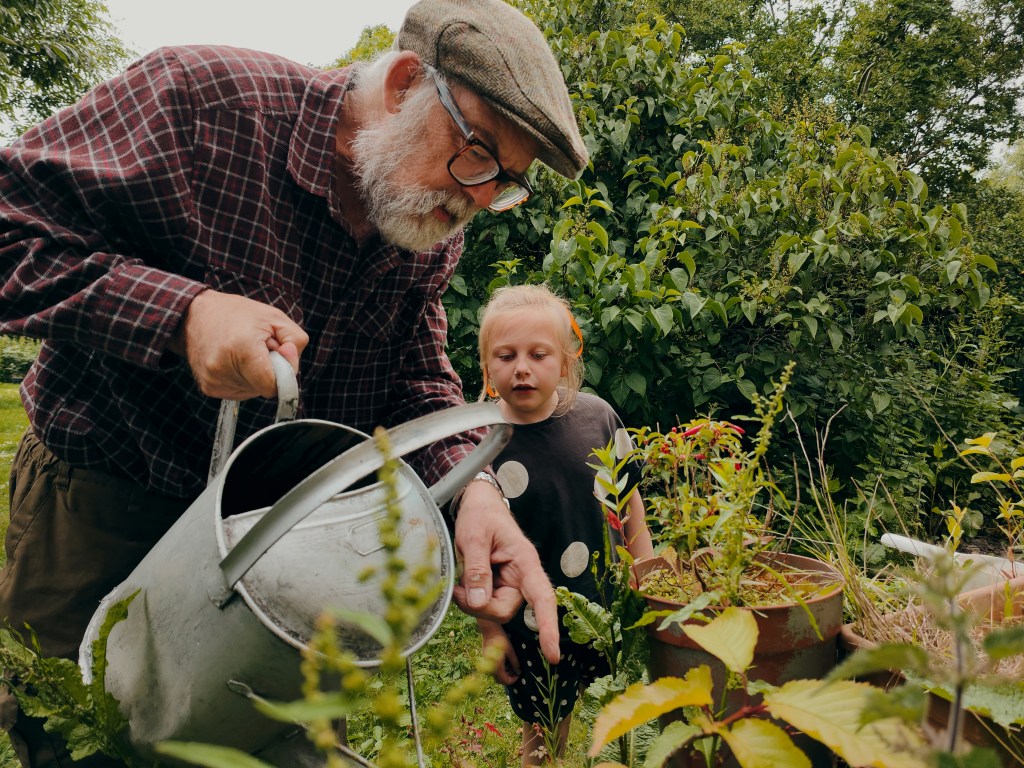
- Supporting participation in group-based movement activities (e.g., walking clubs, gardening groups) that blend social interaction and physical activity.
Promoting Lifestyle Medicine Principles
OTs integrate lifestyle medicine into interventions through:
- Collaborating to establish routines that incorporate daily movement, balanced nutrition, restorative sleep, stress reduction techniques (e.g., mindfulness), and meaningful social connection.
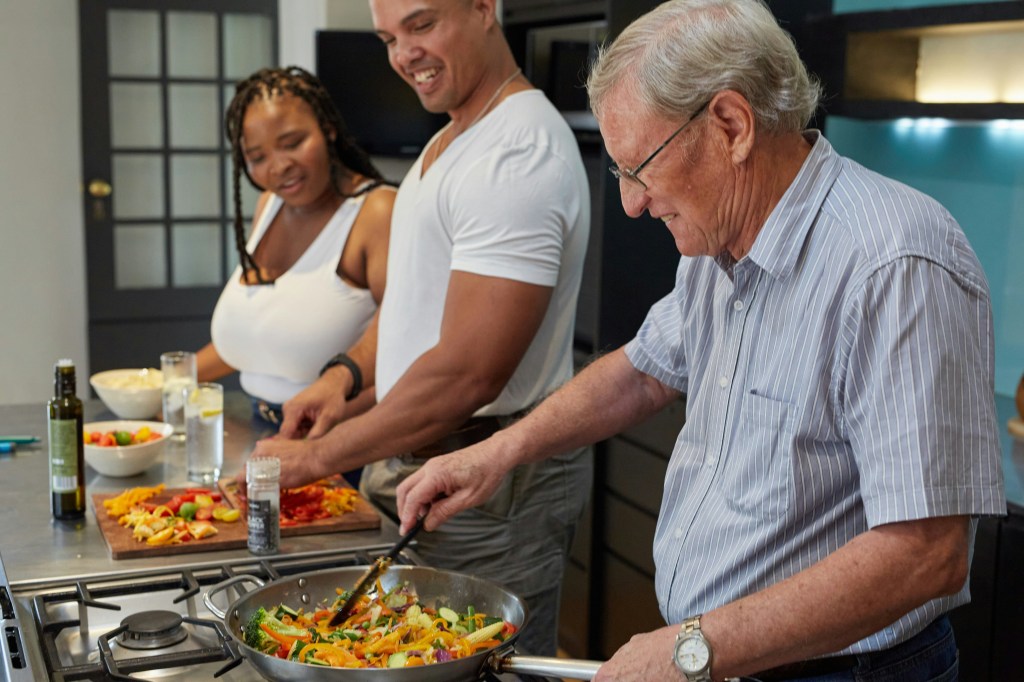
- Educating clients and caregivers on the role of the microbiome and dietary diversity (e.g., promoting plant-based or Mediterranean-style eating if culturally appropriate).
- Structuring cognitive and leisure activities that challenge the brain and foster a sense of purpose.
Fostering Resilience and Mental Health
Mental well-being is foundational to healthy aging. Therapists can:
- Facilitate group-based or one-on-one occupation-based interventions targeting stress management, coping skills, and emotional self-regulation.
- Encourage daily practices that build psychological resilience (e.g., gratitude journaling, goal setting, mindfulness).
- Provide support for life transitions (e.g., retirement, bereavement) by connecting clients with community resources and peer groups.
Step-by-Step Approach Occupational Therapists Can Use
- Assessment and Goal Setting
- Use validated tools to assess the client’s physical, psychological, and social health as well as home and community environments.
- Collaboratively set goals that reflect the client’s values, meaningful activities, and desired social connections.
- Education and Skill Building
- Teach strategies for healthy eating, fall prevention, energy management, and establishing life-enriching routines.
- Coach clients in self-advocacy, using adaptive equipment, and navigating local transportation or community resources.
- Environmental and Lifestyle Modifications
- Recommend and assist with home and environment adaptations to support safety and engagement.
- Facilitate the use of technology (e.g., video calls, social apps) to reduce isolation and expand access to health-promoting resources.
- Activity and Community Engagement
- Help clients identify, trial, and commit to new or resumed hobbies, volunteer work, and fitness opportunities that fit their interests and abilities.
- Organize or refer to peer support groups, arts programs, or intergenerational activities.
- Ongoing Collaboration and Advocacy
- Regularly revisit goals and progress, adapting interventions as client needs change or new challenges arise.
- Advocate for policy changes that promote age-friendly communities, equitable access to health care, and social participation.
Through these approaches, occupational therapists empower older adults to optimize their health, independence, and joy in everyday life—translating current research on environment, lifestyle, and occupation into tangible steps toward healthy aging.
REFERENCES:
Aliberti, S. M., & Capunzo, M. (2025). The Power of Environment: A Comprehensive Review of the Exposome’s Role in Healthy Aging, Longevity, and Preventive Medicine-Lessons from Blue Zones and Cilento. Nutrients, 17(4), 722. https://doi.org/10.3390/nu17040722
Eklund, M., Parsonage-Harrison, J., & Argentzell, E. (2024). Occupation- and lifestyle-based mental health interventions – A hallmark for the occupational therapy profession?. The British journal of occupational therapy, 87(7), 395–397. https://doi.org/10.1177/03080226241228750
Nielsen, L., Marsland, A. L., Hamlat, E. J., & Epel, E. S. (2024). New Directions in Geroscience: Integrating Social and Behavioral Drivers of Biological Aging. Psychosomatic medicine, 86(5), 360–365. https://doi.org/10.1097/PSY.0000000000001320
Phillips, A. L., Räisänen, A. M., & St Clair, T. T. (2024). Lifestyle Medicine as a Curricular Thread in Occupational Therapy Education: A Scoping Review and Discussion of Feasibility. American journal of lifestyle medicine, 15598276241247759. Advance online publication. https://doi.org/10.1177/15598276241247759
 The Home Accessibility Therapist LLC
Leave a comment