

Occupational therapy plays a critical role in supporting wellness, independence, and life satisfaction as individuals age, especially during the complex transition into retirement. For occupational therapists, facilitating this transition goes well beyond managing physical or cognitive decline; it centers on empowering individuals to engage in meaningful occupations, prevent occupational disruption, and prepare proactively for a new life stage.
The retirement transition is both an opportunity and a challenge for aging adults. Many adults focus on financial planning as they move towards retirement, but few plan for the impact of occupational transition. For occupational therapists (OTs), it represents a crucial period during which individualized and community-based interventions can foster well-being, identity, and life satisfaction. Drawing on international practice, notably from Australia, and referencing the MOHO and PEOP models, here’s how OTs can proactively support this transition—and why advocacy is needed for broader recognition of OT’s value.
Theoretical Foundations: MOHO and PEOP
- Model of Human Occupation (MOHO):
- Person-Environment-Occupation-Performance (PEOP):
- Focuses on the dynamic fit between the person, their environment, and meaningful occupations.
- OTs use PEOP to assess environmental barriers, social contexts, and individual skills, designing strategies that maximize occupational performance in retirement
Individual-Level Interventions: Building Wellness from Within
- Personalized Planning:
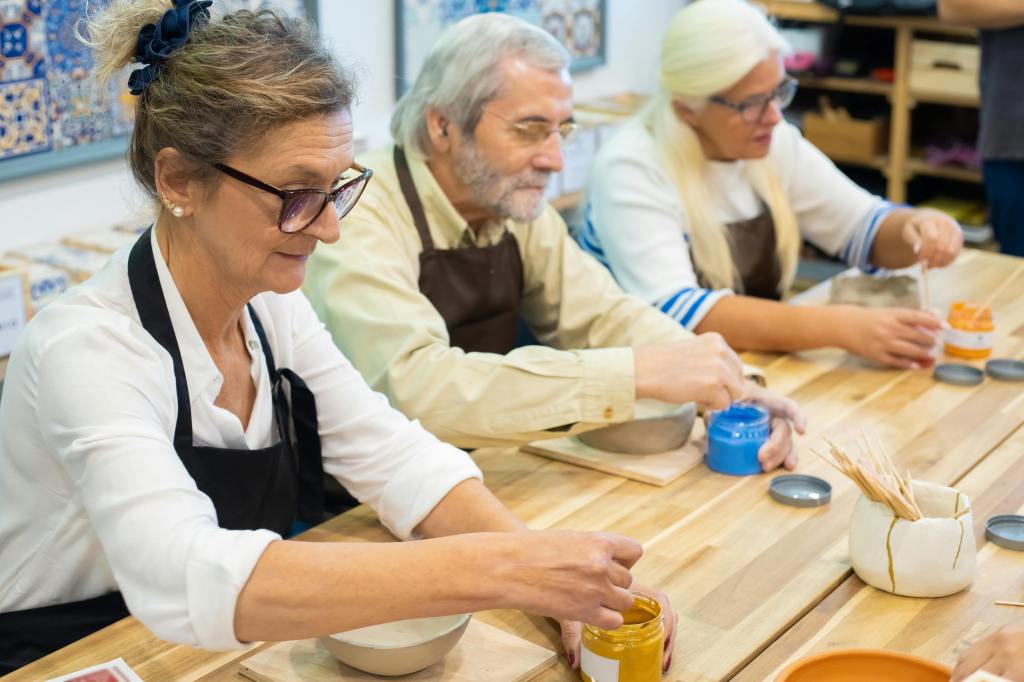
OTs help clients identify and plan for new meaningful occupations—such as hobbies, community engagement, or volunteer roles—well before retirement. Evidence shows that gradual exploration, especially through leisure education, supports smoother adaptation and reduces anxiety about free time.- Case Example (U.S.): A pre-retiree expresses concern about losing purpose after work. Using MOHO, the OT maps their values and interests, introduces local art classes, and establishes volunteering as a routine, helping the client reclaim a sense of identity and connection.
- Goal Setting and Skill Building:
OTs assist individuals in setting life goals for retirement, developing time management, coping, and self-advocacy skills. Interventions might include home modifications, memory strategies, or wellness routines aimed at maintaining independence. - Role Transitions:
By using life-history interviews and occupational profiling, OTs guide retirees through changing roles—from provider to mentor or community participant—reducing the psychological impact of loss of work.
Community-Level Interventions: Fostering Belonging and Participation
- Community-Based Programs:
OTs design or run workshops and group programs that connect older adults around shared interests or emerging needs—social clubs, walking groups, or intergenerational activities boost community integration and buffer against social isolation. - Bridging Occupational Gaps:
In rural U.S. settings, OTs address social isolation post-retirement through peer support circles and partnerships with community centers, informed by PEOP’s emphasis on environmental adaptation. OTs also consult with employers and organizations to champion gradual transitions and meaningful post-work roles.
International Insights and U.S. Potential
- Australian OTs have demonstrated how evidence-backed group and community interventions benefit both individuals and society during retirement.
- There is a clear opportunity to adapt such models to the U.S., particularly those focusing on engagement, wellness, and the value of gradual, supported occupational transitions.
Call to Action for Occupational Therapists
Occupational therapists should:
- Advocate for early and proactive occupational transition planning—not just among clients, but within workplaces, community bodies, and policy forums. Establish community-based programs such as “Do It Now.”
- Collaborate across disciplines with financial planners, social workers, and healthcare providers, ensuring holistic retirement support.
- Champion research and program funding for OT-led retirement interventions in the U.S., using successful international models as templates.
- Engage in continued learning and development around both MOHO and PEOP, applying them flexibly to individual and group contexts.
By embracing both individual and community-focused interventions—and drawing lessons from global exemplars—occupational therapists are uniquely positioned to transform the retirement narrative from one of disruption to one of opportunity, identity renewal, and wellness.
References:
Eagers, J., Franklin, R. C., Broome, K., & Yau, M. K. (2016). A review of occupational therapy’s contribution to and involvement in the work-to-retirement transition process: An Australian perspective. Australian occupational therapy journal, 63(4), 277–292. https://doi.org/10.1111/1440-1630.12300
Eagers, J., Franklin, R. C., Broome, K., Yau, M. K., & Barnett, F. (2022). Potential occupational therapy scope of practice in the work-to-retirement transition in Australia. Australian occupational therapy journal, 69(3), 265–278. https://doi.org/10.1111/1440-1630.12788
Eagers, J., Franklin, R. C., Broome, K., Yau, M. K., & Barnett, F. (2022). Current occupational therapy scope of practice in the work-to-retirement transition process: An Australian study. Scandinavian journal of occupational therapy, 29(6), 495–510. https://doi.org/10.1080/11038128.2020.1841286
Miller, Nicole R., “Wellness Program for Pre and Newly Retired Individuals Living in Rural Communities”
(2005). Occupational Therapy Capstones. 139.
https://commons.und.edu/ot-grad/139
Wicks, Alison & Do It Now (Project) & Australasian Occupational Science Centre. (2006). Do it now : promoting participation in engaging occupations during retirement / written by Alison Wicks. West Nowra, N.S.W. : Australasian Occupational Science Centre, University of Wollongong.
 The Home Accessibility Therapist LLC
Leave a comment