
Optimal lighting is essential for safe, independent living—especially for older adults or individuals with vision challenges. Therapists specializing in home modifications and safety know that poor illumination can increase fall risk, hinder daily activities, and reduce quality of life. A lux meter is a simple, affordable tool that empowers therapists to objectively assess and improve lighting in clients’ homes.

Why Use a Lux Meter in Home Assessments?
1. Objective Measurement for Better Outcomes
- Quantifies Light Levels: A lux meter measures illuminance (light intensity) in a space, providing data in lux (lx)—the standard unit for how much light falls on a surface.
- Identifies Problem Areas: It helps pinpoint dimly lit zones (e.g., stairs, hallways, bathrooms) that may not be obvious to the naked eye but pose safety risks.
- Supports Evidence-Based Recommendations: Objective readings support therapists’ recommendations for lighting upgrades, making it easier to justify changes to clients or funding sources.
2. Enhances Client Engagement
- Motivates Change: Sharing measurable results with clients can increase their willingness to accept lighting modifications, especially when they see how their home compares to recommended standards.
- Personalizes Interventions: By measuring actual light levels where clients read, cook, or take medications, therapists can tailor solutions to individual needs and routines.
3. Promotes Home Safety and Independence
- Reduces Fall Risk: Research shows that increasing lighting—especially in high-risk areas—can significantly lower fall rates for people with vision impairments or mobility issues.
- Improves Daily Function: Adequate lighting supports tasks like dressing, medication management, and meal preparation, boosting confidence and independence.
How to Choose a Good Lux Meter
Not all lux meters are created equal. Here’s what to look for when selecting one for home safety assessments:
Recommended Brands
Practical Tips for Therapists
- Measure at Task Level: Place the sensor where the client performs activities (e.g., reading chair, kitchen counter).
- Assess at Different Times: Light levels change throughout the day—check both natural and artificial lighting.
- Compare to Standards: Reference guidelines (e.g., 300–500 lux for reading areas, 100 lux for hallways) to guide recommendations.
- Document Changes: Use before-and-after readings to demonstrate the impact of lighting modifications.
Final Thoughts
A lux meter is an essential addition to any home modification therapist’s toolkit. It transforms lighting assessments from guesswork into science, supporting safer, more functional environments for clients of all ages and abilities. By choosing the right lux meter and integrating it into your practice, you’ll be better equipped to create homes that truly support independence and well-being.
Two Options for Purchasing a Light Meter:
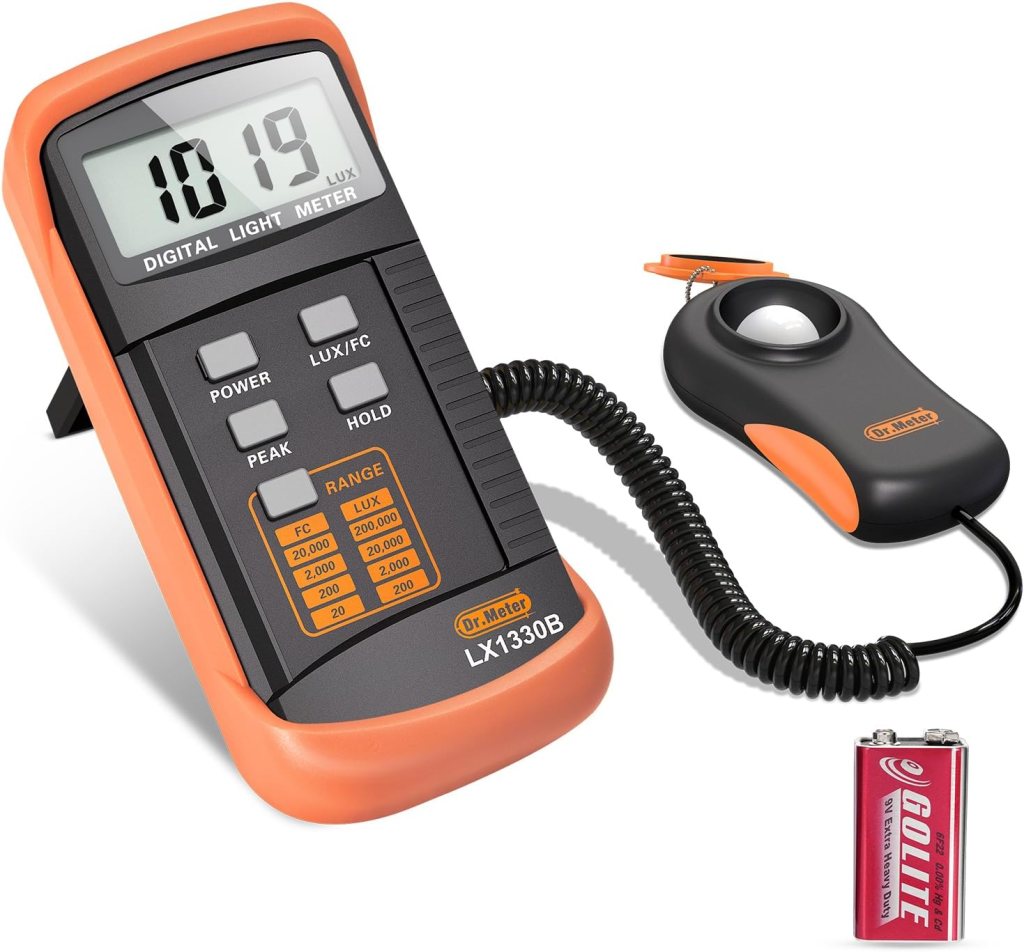
Lower cost: Reasonable accuracy: LX1330B Digital Illuminance Light Meter, 0-200,000 Measurement Range Lux Meter, Lighting Intensity Brightness Measurement for Indoor Outdoor, Light Meters for Plants
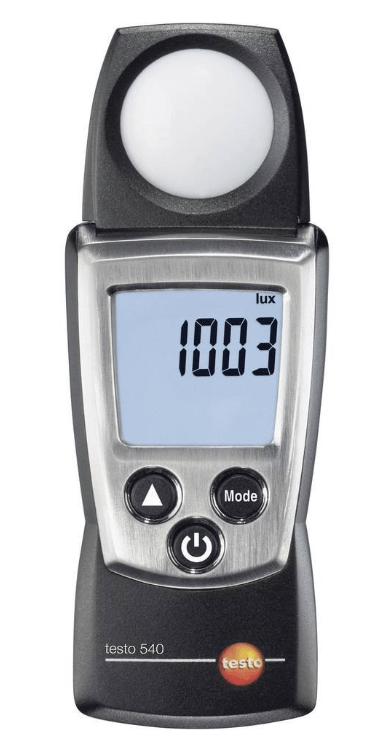
Better accuracy with recalibration: Testo 0560 0540 Pocket Pro Light Intensity Meter, +/- 3 Accuracy, 2 Type AAA Battery
As an Amazon Associate, The Home Accessibility Therapist LLC may earn a small commission from qualifying purchases.
REFERENCES:
The Greenage, 2016. What are lux and how much light do you need? Retrieved from: https://www.thegreenage.co.uk/lux-much-light-need/
Epishine, 2024. The importance of Lux – Understanding indoor light. Retrieved from: https://www.epishine.com/news/the-importance-of-lux-understanding-indoor-light?hs_amp=true
James, K.L. 2016. Effect of lighting on performance of tasks requiring near vision in older adults. Nova Southeastern University, Department of Occupational Therapy. Retrieved from: https://nsuworks.nova.edu/cgi/viewcontent.cgi?article=1046&context=hpd_ot_student_dissertations
Ramulu, P. Y., Mihailovic, A., E, J. Y., Miller, R. B., West, S. K., Gitlin, L. N., & Friedman, D. S. (2021). Environmental Features Contributing to Falls in Persons With Vision Impairment: The Role of Home Lighting and Home Hazards. American journal of ophthalmology, 230, 207–215. https://doi.org/10.1016/j.ajo.2021.04.022
Perlmutter, M. S., Bhorade, A., Gordon, M., Hollingsworth, H., Engsberg, J. E., & Carolyn Baum, M. (2013). Home lighting assessment for clients with low vision. The American journal of occupational therapy : official publication of the American Occupational Therapy Association, 67(6), 674–682. https://doi.org/10.5014/ajot.2013.006692
Sisco, 2023. Lux Meters Buying Guide. Retrieved from: https://www.sisco.com/lux-meters-buying-guide?srsltid=AfmBOop1MM3VR2dxR-fzv7vFt3V-qIM7whQmuNAUOnqzWo_99VCRUQU8
Test-Vergleiche, 2025. The latest luxmeter discoveries: A comprehensive comparison. Retrieved from: https://test-vergleiche.com/en/beste-luxmeter-testsieger/
Nandakumar, H., 2023. Lux Meter & Importance of Lux Meter Calibration. Retreived from: https://www.linkedin.com/pulse/lux-meter-importance-calibration-harikumar-nandakumar-/
National LED, 2023. Why use light meters? Retrieved from: https://www.nationalled.com/why-use-light-meters/
Links to our other Toolbox Tips:

 The Home Accessibility Therapist LLC
Leave a comment