
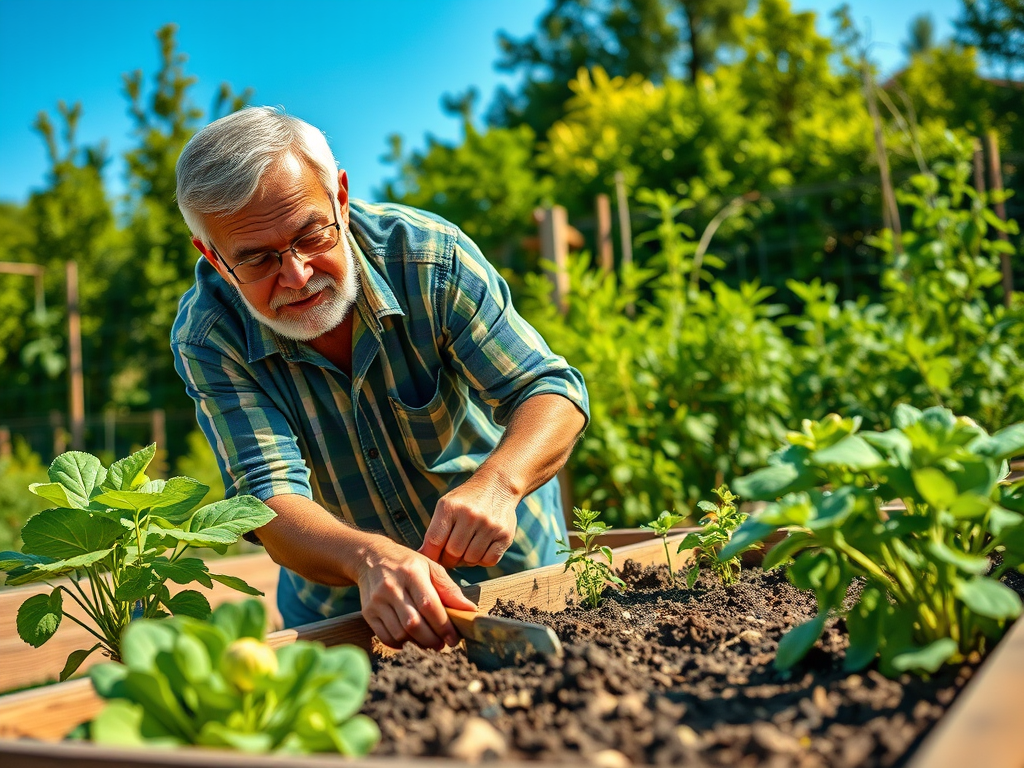
Gardening is more than a hobby—it’s a powerful way to nurture health, independence, and joy at any age. At The Home Accessibility Therapist LLC, we believe that everyone should have the opportunity to experience the many benefits of gardening, regardless of mobility or physical limitations. Here’s how accessible gardening can enrich lives and practical strategies to make it safe and enjoyable for all.
The Benefits of Gardening for Seniors and Persons with Disabilities
Engaging in gardening offers a wide range of physical, mental, and social benefits:
- Improved Physical Health: Gardening involves gentle movements like reaching, bending, and walking, which help maintain flexibility, balance, and strength. These activities are associated with better gait speed, improved balance, and fewer chronic conditions.
- Enhanced Mental Well-Being: Tending to plants reduces stress, boosts mood, and provides a sense of accomplishment and purpose. The routine and connection to nature can help regulate emotions and relieve anxiety.
- Cognitive Engagement: Planning and caring for a garden stimulates the mind, supporting memory and problem-solving skills.
- Social Connection: Community gardens and group activities foster social interaction, reducing feelings of isolation and encouraging teamwork.
- Sense of Purpose: Watching plants grow and thrive under one’s care brings fulfillment and motivation, which is especially meaningful for older adults.
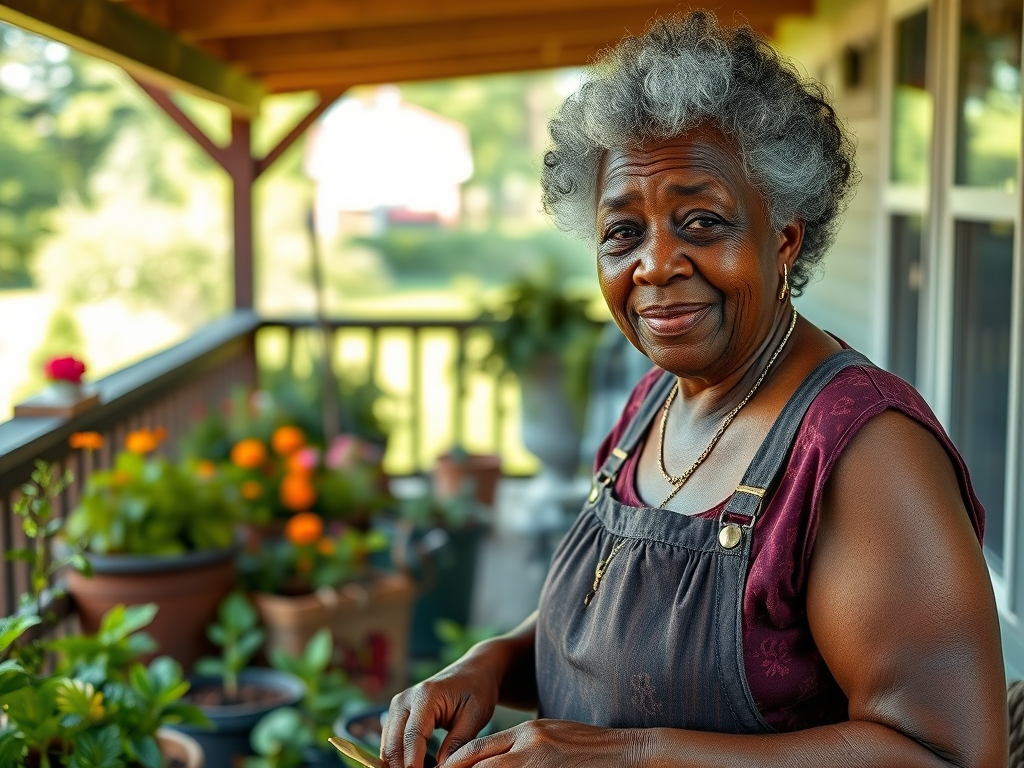
Making Gardening Accessible and Reducing Fall Risk
With thoughtful adaptations, gardening can be accessible and safe for seniors and persons with disabilities. Here are evidence-based strategies to increase access and reduce fall risk:
1. Raised Garden Beds
- Elevated beds bring plants to a comfortable height, reducing the need to bend or kneel. This minimizes strain on the back and knees and makes gardening possible from a seated or standing position.
- Beds can be customized for wheelchair access, with heights typically between 24–36 inches and widths of 2–3 feet for easy reach.
2. Container and Vertical Gardening
- Container gardening allows plants to be grown in pots on tables, shelves, or stands, bringing them within easy reach and making them movable for optimal sunlight or weather protection.
- Vertical gardens use trellises, wall planters, or hanging baskets to grow plants upwards, reducing the need to stoop or kneel.
3. Accessible Garden Layouts
- Wide, level pathways (at least 3 feet wide) with firm, non-slip surfaces accommodate walkers and wheelchairs and help prevent trips and falls.
- Rest areas with benches or chairs provide opportunities to take breaks and enjoy the garden.
4. Adaptive Gardening Tools
- Long-handled and ergonomic tools reduce the need for bending and stretching, while cushioned grips and lightweight materials minimize hand strain.
- Rolling garden seats and kneeling benches with handles offer support and mobility for those who need it.
5. Safety Enhancements
- Handrails along paths and near raised beds provide extra support.
- Good lighting ensures visibility, especially in early morning or evening hours.
- Drip irrigation systems and self-watering containers reduce the need for carrying heavy watering cans, decreasing fatigue and fall risk.
6. Community and Support
- Community gardens and gardening groups offer opportunities for shared resources, socialization, and mutual support, making gardening more enjoyable and accessible for all.

Final Thoughts
Accessible gardening empowers seniors and persons with disabilities to enjoy the physical, emotional, and social rewards of tending to plants. By incorporating adaptive tools, thoughtful layouts, and safety features, gardening can remain a safe, fulfilling, and lifelong passion. Help your clients reap the positive benefits of accessible gardening by providing personalized recommendations and home assessments to help create the perfect accessible garden.
REFERENCES:
Greater Good Health. (2023). The Benefits of Gardening for Senior Physical and Mental Health. Retrieved from: https://greatergoodhealth.com/patients/benefits-of-gardening-for-seniors/
Milligan, C., et al. (2020). Positive aging benefits of home and community gardening activities. International Journal of Environmental Research and Public Health, 17(3), 679.
Senior Services of America. (n.d.). Explore the Benefits of Gardening for Seniors. Retrieved from: https://seniorservicesofamerica.com/blog/benefits-of-gardening-for-seniors/
Elder Care Support Network. (2025). What Are the Benefits of Senior Gardening? [YouTube Video]. Retrieved from: https://youtu.be/38qWhblj_OY
The Claiborne. (2025). How Senior Communities Create Accessible Gardening Spaces. Retrieved from: https://theclaiborne.com/garden-without-the-groundwork-how-senior-communities-create-accessible-gardening-spaces/
Chen, T.-Y., & Janke, M. C. (2012). Gardening as a potential activity to reduce falls in older adults. Journal of Aging and Physical Activity, 20(1), 15-31.
Discovery Commons. (2024). How To Make Gardening Accessible For Seniors With Low Mobility. Retrieved from: https://discoverycommons.com/senior-living-blog/how-to-make-gardening-accessible-for-seniors-with-low-mobility/
Janke, M. C., & Chen, T.-Y. (2012). Gardening as a Potential Activity to Reduce Falls in Older Adults. Journal of Aging and Physical Activity, 20(1), 15-31.
Morada Senior Living. (2024). 10 Ways To Make Gardening Easier And More Accessible For Seniors. Retrieved from: https://moradaseniorliving.com/senior-living-blog/10-ways-to-make-gardening-easier-and-more-accessible-for-seniors/
Age Fearless Academy. (2025). The Ultimate Guide to Adaptive Gardening for Seniors. Retrieved from: https://agefearlessacademy.com/ultimate-guide-adaptive-gardening-for-seniors/
Mayo Clinic Health System. (2022). Dig into the benefits of gardening. Retrieved from: https://www.mayoclinichealthsystem.org/hometown-health/speaking-of-health/dig-into-the-benefits-of-gardening
 The Home Accessibility Therapist LLC
Leave a comment