
Updated: October 10, 2025
The federal government entered a shutdown on October 1, 2025, following Congress’s failure to pass fiscal year 2026 funding legislation. While Medicare and Medicaid programs continue operating because their funding is mandated by law, occupational therapists, physical therapists, and speech-language pathologists providing outpatient Part B services face immediate operational challenges requiring urgent attention.
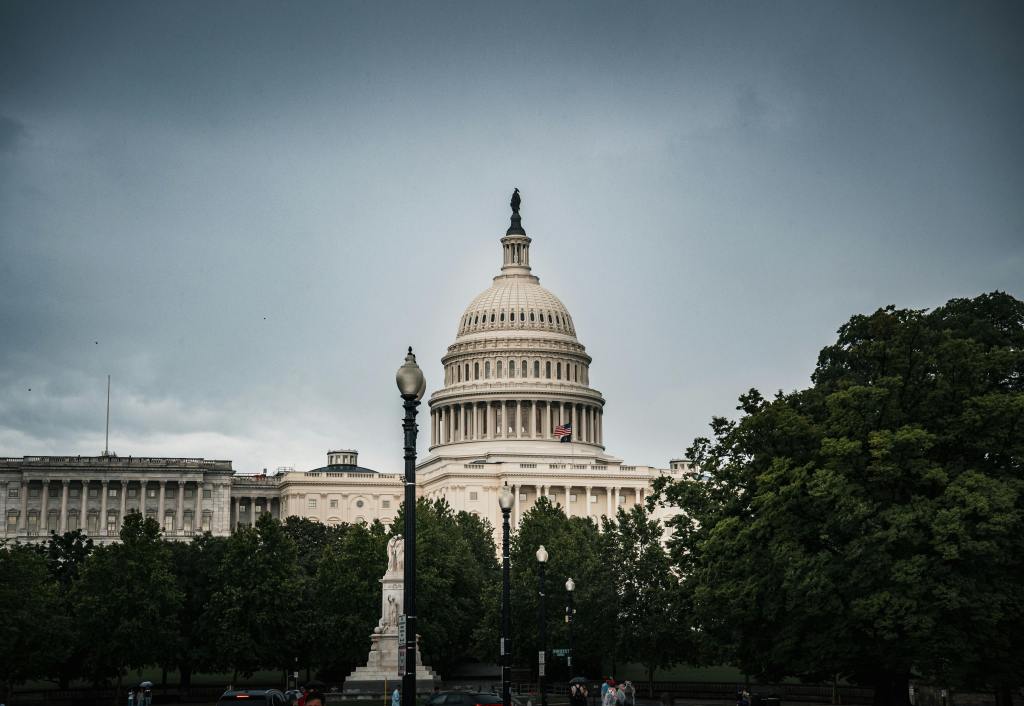
Understanding the Current Shutdown Situation
Congress did not approve government funding beyond September 30th, marking the end of the 2026 fiscal year. This lapse impacts federal operations across multiple agencies, though mandatory programs continue with reduced staffing and oversight.
Programs Operating Normally
Medicare and Social Security benefits are mandatory programs that continue providing benefits, including reimbursement for therapy services. Staffing at these agencies remains reduced during the shutdown, and some oversight services are suspended.
Medicaid and the Veterans Affairs administration maintain sufficient reserve funding to allow continued operations for several months. TriCare providers should expect minimal disruption, and clinical providers working within the VA system can generally anticipate normal operations to continue.
Critical Changes to Telehealth Coverage for Therapists
The most significant disruption affects the provision of telehealth services by occupational therapists, physical therapists, and speech-language pathologists. As of October 1, 2025, the waiver allowing therapists to provide covered telehealth services to Medicare beneficiaries expired.
What Changed on October 1st
Occupational therapists, physical therapists, and speech-language pathologists are no longer recognized as eligible Medicare telehealth providers as of October 1. Services provided via telehealth to Medicare beneficiaries in their homes or outside rural areas are no longer reimbursable, except for behavioral and mental health services.
AOTA and APTA Recommendations
The American Occupational Therapy Association advises therapists to issue Medicare beneficiaries an Advance Beneficiary Notice of Noncoverage (ABN), hold claims for 14 days, and monitor Congressional action. While extension of telehealth waivers was expected during budget negotiations, no resolution has been achieved and Medicare telehealth services are currently not covered.
Therapists choosing to continue telehealth services should provide patients with an ABN to inform them they may be personally responsible for costs. While retroactive coverage is expected based on historical precedent, it is not guaranteed.
Medicare Claims Processing During the Shutdown
Medicare Administrative Contractors (MACs) continue to process Part B therapy claims and payments throughout the shutdown. This represents good news for therapy practices concerned about revenue disruption.
Temporary Claims Hold Explained
CMS has implemented a temporary claims hold of up to 10 business days for certain legislative payment provisions. This standard practice should have minimal impact due to the 14-day payment floor. Therapists can continue submitting claims during this period, though payment release will be delayed until the hold is lifted.
CMS Staffing and Operations
Approximately 51% of CMS staff remain active during the shutdown to handle mission-critical activities. However, CMS oversight of MAC performance is suspended, which could affect responses to provider complaints about contractor performance. Updates to the Medicare website may be limited or delayed, though beneficiaries can continue accessing healthcare services normally.
Provider Credentialing Continues
MAC activities for provider credentialing and site visits continue during the shutdown. Requests for corrections and approvals have been processed over the past two weeks, indicating these administrative functions remain operational.
Delayed Medicare Physician Fee Schedule
Updates and approval of the 2026 Medicare Physician Fee Schedule are delayed due to the shutdown. This creates uncertainty for therapy practices planning reimbursement budgets and financial projections for the coming year.
Essential Action Steps for Therapy Practices
Immediate Actions Required
Continue submitting Part B claims as usual, but anticipate the temporary payment hold that generally will not impact the usual 14-day payment floor.
Discontinue telehealth services for Medicare patients or provide ABNs if continuing at the patient’s financial risk. This decision significantly impacts practice operations and requires immediate communication with current telehealth patients.
Monitor Congressional action closely, as retroactive reimbursement may occur if telehealth waivers are extended. Professional associations including AOTA and APTA provide regular updates through their advocacy channels.
Hold telehealth claims until Congress acts, or submit them knowing they will be held by MACs. This strategy allows for potential retroactive payment if waivers are extended.
Plan cash flow considering potential payment delays during the claims hold period, especially if telehealth services represent a significant portion of practice revenue.
Long-Term Considerations
Review practice contingency plans for extended payment delays and potential loss of telehealth revenue streams. Consider diversifying service delivery models to reduce dependence on federal policy changes.
Historical Context and Future Outlook
Congress has historically extended telehealth waivers retroactively when reopening the government after shutdowns. Bipartisan support for telehealth extension remains strong among healthcare policy advocates.
Policy Complications
The telehealth debate is tied to larger funding issues including Affordable Care Act subsidies and Medicaid cuts. These broader political considerations may extend the timeline for resolution beyond typical shutdown durations.
Medicare Open Enrollment Proceeds
Medicare open enrollment proceeds as scheduled from October 15 through December 7 despite the shutdown. Beneficiaries can make coverage decisions normally during this period.
Advocacy Opportunities
Contact Congressional representatives to advocate for telehealth flexibility extensions that allow therapists to continue serving Medicare beneficiaries remotely. Personal stories from therapists and patients demonstrate the real-world impact of these policy decisions.
Share experiences about how the shutdown impacts practice operations and patient access to care. Professional associations use these testimonials in their advocacy efforts with policymakers.
Resources for Therapists
Access current guidance and updates through these professional resources :
- AOTA Government Shutdown FAQs: Comprehensive guidance for occupational therapy practitioners
- AOTA on Telehealth: Detailed explanation of the current telehealth situation and recommendations for action.
- APTA Shutdown Resources: Physical therapy-specific information and updates
- CMS Telehealth Guidance: Official Medicare coverage policies
- CGS Medicare Contractor Updates: Claims processing information during the shutdown
Staying Informed
This situation remains fluid as Congressional negotiations continue. Therapists should monitor professional association communications and CMS announcements to ensure compliance and minimize financial impact to their practices.
Updates will be provided as Congress takes action on funding legislation and telehealth extensions. Subscribe to newsletters from professional associations and regulatory agencies to receive timely notifications about policy changes affecting therapy practice.
About The Home Accessibility Therapist: The Home Accessibility Therapist LLC provides certification courses, professional education, and resources for occupational therapists specializing in home modifications and accessibility assessments. Our AOTA-approved courses support therapists in expanding their expertise in Medicare-covered home safety services.
 The Home Accessibility Therapist LLC
Leave a comment