
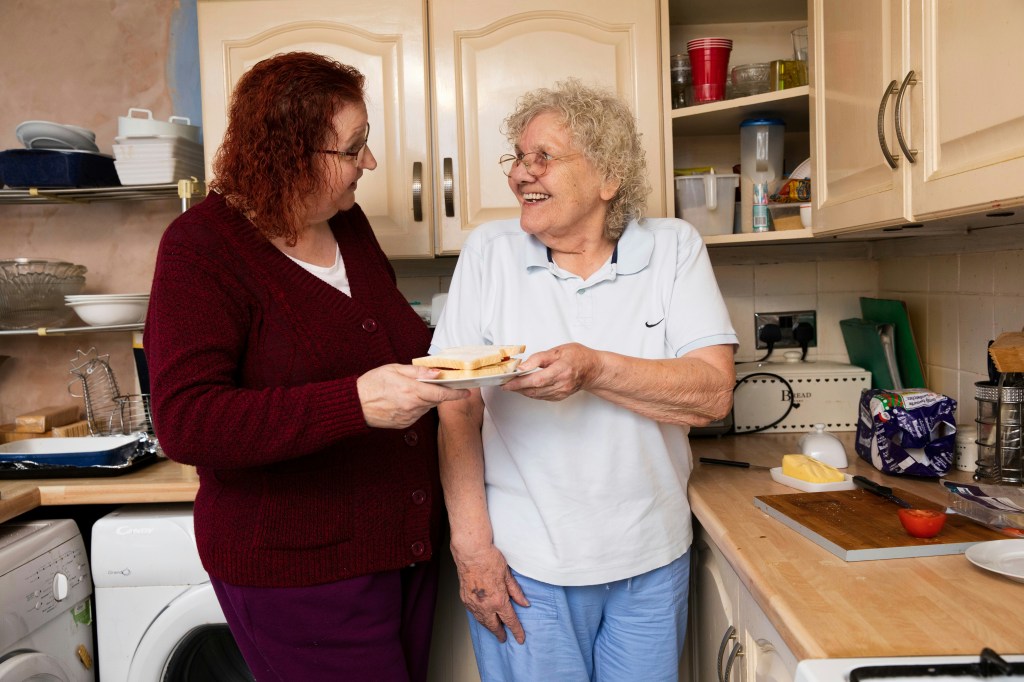
Aging in place is a goal cherished by many older adults, but it comes with unique challenges that occupational therapists (OTs) are uniquely equipped to address. A recent feasibility trial highlights the importance of a multidisciplinary approach—combining occupational therapy and registered dietitian services—to reduce fall risk among homebound older adults receiving home-delivered meals.
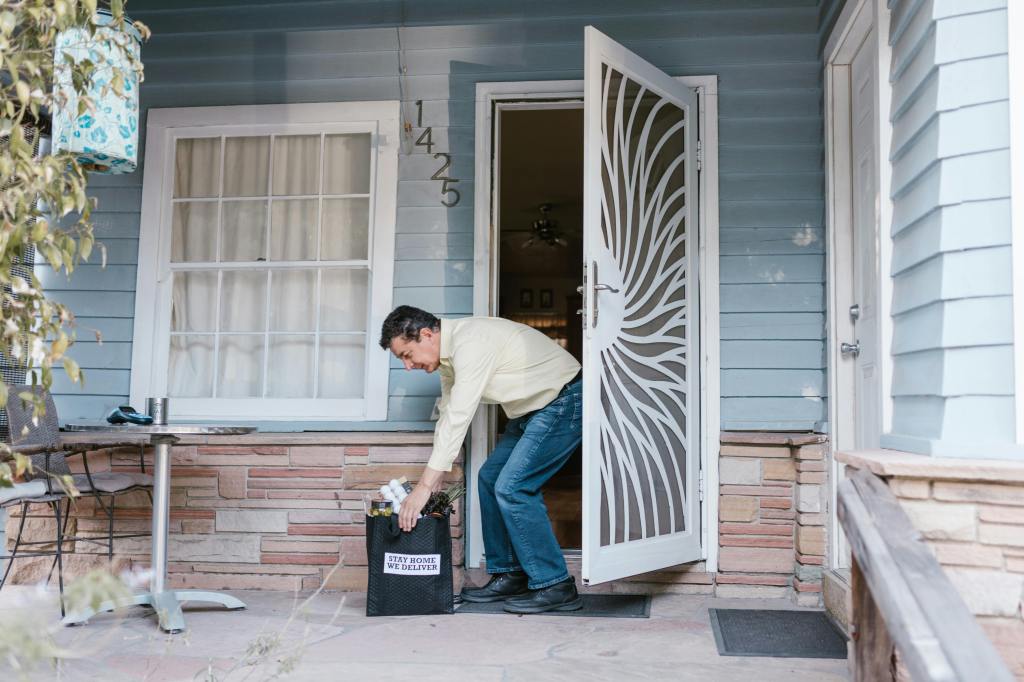
Why Home Modifications Matter
Home modifications help create safer, more functional environments for older adults. OTs often recommend changes such as:
- Installing grab bars and improved lighting
- Removing tripping hazards (e.g., rugs, clutter)
- Rearranging furniture for better mobility
- Ensuring that commonly used items are within easy reach
This recent study underscores the added value when these environment-focused strategies are paired with nutrition and chronic disease management interventions.
Lessons from the Recent Trial
The referenced feasibility trial tested four service models: meals-alone, meals plus nutritionist, meals plus OT, and meals plus both services. Key findings included:
- High satisfaction with OT interventions among clients, who appreciated both home safety improvements and staff support
- Barriers to reach and retention, such as strict eligibility and recruitment limitations
- Strong adherence to OT recommendations—over 90% fidelity to service delivery
- The combined approach can be implemented within existing community service models, such as meal delivery programs, increasing accessibility for isolated older adults.
Suggestions for Occupational Therapists
Occupational therapists can take several actionable steps to expand their role in home modification and community fall prevention:
1. Build Partnerships
- Collaborate with local meal delivery or community health programs
- Connect with registered dietitians to address nutrition-related fall risks
2. Broaden Access
- Advocate for wider eligibility and flexible service offering, ensuring all older adults at risk can benefit
- Incorporate both environmental and lifestyle assessments in evaluations
3. Focus on Education
- Provide clear, simple handouts during visits
- Offer tailored advice on both home safety and healthy meal choices
4. Amplify Your Impact
- Work with community agencies to scale recruitment and outreach
- Engage in public awareness events about the OT’s role in fall prevention
5. Leverage Data
- Use available research to support funding proposals and advocate for integrated OT services within existing community programs
Call to Action
Occupational therapists are vital change agents in enabling aging in place. By forging partnerships, expanding access, and advocating for integrated services, OTs can profoundly reduce fall risk and improve quality of life in their communities. Now is the time to reach out to local agencies, share your expertise, and lead the way in comprehensive, client-centered care.
Take Action: Start a conversation with your local home-delivered meal program or dietitian today. Explore shared opportunities to address fall risks holistically—and champion safer homes for all older adults!
REFERENCES:
Juckett, L. A., Joshi, S., Hyer, J. M., Hariharan, G., Thomas, K. S., Sathya, T. S., Howard, M. L., Bunck, L. E., Rowe, M. L., Devier, A., Parrett, K., & LifeCare Alliance SixtyPLUS Team (2025). Occupational therapy and registered dietitian services to reduce fall risk among home delivered meal clients: a randomized controlled feasibility trial. BMC geriatrics, 25(1), 325. https://doi.org/10.1186/s12877-025-06008-2
 The Home Accessibility Therapist LLC
Leave a comment