April 15th, 1923, is the date that insulin became publicly available. This was a significant advancement in the treatment for patients with Type 1 and Type 2 diabetes. We have seen many changes and advancements in the treatment options available for persons with diabetes since then.
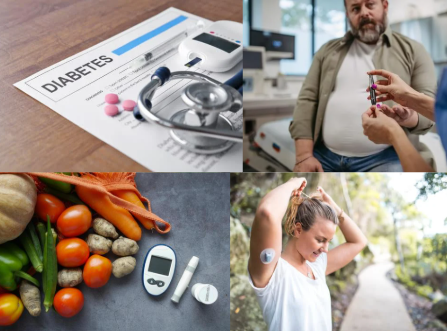
In 2021, more than 11.6% of the US population had diabetes, approximately 38.4 million Americans (1). In individuals over 65 years of age, the prevalence increased to 29.2 % or roughly 16.5 million seniors (1,2). In 2021, diabetes was listed as the 8th leading cause of death in the US (2). Individuals with type 2 diabetes have a 63% higher risk of falls compared to non-diabetic older adults (4). The annual incidence of falls in elderly diabetic individuals is up to 39%, compared to 30.6% for non-diabetic individuals (3). Approximately 30.6% of individuals with diabetes experience recurrent falls, compared to 19.4% of non-diabetic individuals (3).
There are several factors that can increase the risk of falls in people with diabetes.
- Peripheral Neuropathy: Studies show that diabetic neuropathy significantly increases the risk of falls due to impaired sensation in the feet. For example, individuals with diabetic neuropathy are 1.94 times more likely to fall compared to those without (3).
- Vision Loss: Diabetic retinopathy and other vision impairments are common complications of diabetes, making it harder to navigate obstacles and increasing fall risk (4).
- Hypoglycemia: Low blood sugar levels can cause dizziness and confusion, leading to a higher likelihood of falls. This is particularly concerning for older adults with diabetes (5).
- Medications: Certain medications, such a insulin, are associated with higher risk of falls. For instance, older adults with diabetes who use insulin have a 162% higher chance of falling compared to those who do not (4). There is also an increased risk of falling, likely due to changes in muscle mass, for patients who are taking both lSGLT2 inhibitors and GLP-1 receptor agonists (6).
- Joint Issues: Diabetes can lead to joint problems, such as limited mobility and pain, which contribute to instability and falls (5).
- Insulin Use: Insulin-treated patients have a significantly higher risk of falls, with studies showing a 94% increased risk compared to non-insulin-treated individuals (3).
The most effective home modifications for reducing fall risk in diabetes patients focus on eliminating environmental hazards, enhancing safety features, and supporting mobility—especially given the increased risk from neuropathy, vision impairment, and balance issues common in diabetes. Evidence-based recommendations include:
- Improved Lighting: Install bright, energy-efficient bulbs in all rooms, hallways, and entryways. Use nightlights in bedrooms, bathrooms, and along walkways. Motion-sensor lights are especially helpful for nighttime navigation (7, 8, 9).
- Flooring and Rugs: Remove or secure loose rugs with non-slip backing. Repair uneven flooring and eliminate thresholds where possible. Avoid waxed or slippery surfaces (7, 10, 11).
- Bathroom Safety: Install grab bars near toilets and inside showers/tubs. Use non-slip mats in the shower and on bathroom floors. Consider a raised toilet seat, walk-in shower, or tub, and a shower chair or bench for those with mobility issues (7,8, 13).
- Stairways and Steps: Install sturdy handrails on both sides of staircases. Apply non-slip treads to each step. Ensure steps are well-lit and free of clutter. Consider a stair lift if mobility is significantly impaired (7, 13).
- Furniture and Layout: Arrange furniture to create clear, wide pathways. Remove low or hard-to-see furniture and secure cords/cables against walls. Keep all areas uncluttered to reduce tripping hazards (7, 10, 11).
- Assistive Devices: Recommend canes, walkers, or reachers as needed. Install motion-sensor lights and consider medical alert systems for high-risk individuals (7,8).
- Entryways: Install zero-step entrances and ramps where needed to accommodate mobility aids and reduce tripping risk (10).
- Footwear and Podiatry: Encourage the use of properly fitting, non-slip shoes and regular podiatry care to address foot problems that can increase fall risk (10, 12).
- Professional Assessment: Occupational and physical therapists should conduct individualized home safety assessments to tailor modifications to each patient’s needs, maximizing effectiveness and sustainability (8, 10).
It is important to address the fall risk concerns of individuals with diabetes. Falls pose a significant risk for ongoing morbidity and reduced occupational participation and quality of life. This population would benefit from therapy to address these concerns.
The Role of Therapy
Therapists should also address intrinsic fall risk factors through:
- Strengthening and balance exercises
- Gait training and functional mobility interventions
- Education on blood glucose management and hypoglycemia prevention
- Cognitive and executive function training as appropriate1
Conclusion
Falls in people with diabetes are common, multifactorial, and potentially preventable. A comprehensive approach—combining targeted home modifications, individualized exercise, medication review, and ongoing education—can significantly reduce fall risk and improve occupational participation and quality of life for this population. Occupational and physical therapists are uniquely positioned to lead these efforts, ensuring that interventions are evidence-based, patient-centered, and sustainable.
As occupational and physical therapists, you have the expertise and opportunity to make a profound impact on the safety, independence, and well-being of individuals living with diabetes. By staying informed about the unique fall risks associated with diabetes and implementing evidence-based home modifications, you can help your clients maintain their quality of life and reduce the risk of injury.
Take the next step:
- Proactively assess your clients’ homes for fall hazards.
- Collaborate with clients, families, and interdisciplinary teams to create tailored intervention plans.
- Advocate for ongoing education and support to empower individuals with diabetes to live safely and confidently at home.
Together, we can transform the lives of those with diabetes—one safe home at a time. Let’s honor the legacy of insulin’s discovery by continuing to advance care, prevent falls, and promote independence for all.
References:
1. CDC, 2024. National Diabetes Statistics Report. Retrieved from: National Diabetes Statistics Report | Diabetes | CDC
2. American Diabetes Association, 2023. Statistics about diabetes. Retrieved from: Diabetes in America: Prevalence, Statistics, and Economic Impact
3. Yu Yang, Xinhua Hu, Qiang Zhang, Rui Zou, Diabetes mellitus and risk of falls in older adults: a systematic review and meta-analysis, Age and Ageing, Volume 45, Issue 6, 2 November 2016, Pages 761–767, https://doi.org/10.1093/ageing/afw140
4. Freire, L.B., Brasil-Neto, J.P., da Silva, M.L. et al. Risk factors for falls in older adults with diabetes mellitus: systematic review and meta-analysis. BMC Geriatr 24, 201 (2024). https://doi.org/10.1186/s12877-024-04668-0
5. Berger, L.R. Williams, D.B., 2013. Diabetes and fall injury prevention: A call to action. The IHS Primary Care Provider. Retrieved from: The IHS Primary Care Provider July 2013 issue
6. Yasuhiro Suzuki et al, Longitudinal association of SGLT2 inhibitors and GLP-1RAs on falls in persons with type 2 diabetes, Scientific Reports (2025). DOI: 10.1038/s41598-025-91101-0
7. Dakota Home Care, 2025. Home Modifications for Fall Prevention: Creating a Safer Living Space. Retrieved from: https://dakotahomecare.com/home-modifications-for-fall-prevention-creating-a-safer-living-space/
8. Nabors, E. 2023. National Falls Prevention Resource Center. Home Modification Tools and Tips to Help Prevent Falls. Retrieved from: https://www.ncoa.org/article/home-modification-tools-and-tips-to-help-prevent-falls/
9. Interior Community Health Center, 2025. Fall prevention in the home. Retrieved from: https://www.interiorcommunityhealth.org/blog/fall-prevention-in-the-home
10. Campani, D., Caristia, S., Amariglio, A., Piscone, S., Ferrara, L. I., Barisone, M., Bortoluzzi, S., Faggiano, F., Dal Molin, A., & IPEST Working Group (2021). Home and environmental hazards modification for fall prevention among the elderly. Public health nursing (Boston, Mass.), 38(3), 493–501. https://doi.org/10.1111/phn.12852
11. Durbin, C. N.D. Creating a Safe Haven: How to Reduce Fall Risk at Home with Physical Therapy. Retrieved from: https://www.ewmotiontherapy.com/blog/reduce-fall-risk-at-home-physical-therapy
12. Van Voast Moncada, V., Mire, L.G. Preventing Falls in Older Persons.
Am Fam Physician. 2017;96(4):240-247
13. Paulsen, E. 2024. How to prevent falls: Ways to reduce the risk for older adults. Retrieved from: https://www.hcahoustonhealthcare.com/healthy-living/blog/how-to-prevent-falls-ways-to-reduce-the-risk-for-older-adults
 The Home Accessibility Therapist LLC
Leave a comment