Tag: home-accessibility-therapist
-

Government Shutdown Impact on Medicare Part B Therapy Services: What Occupational and Physical Therapists Need to Know
Government shutdown impacts Medicare Part B therapy services. Learn how occupational and physical therapists can navigate telehealth changes, claims processing delays, and reimbursement challenges during the October 2025 shutdown.
-

Family Dynamics and Home Modifications: Navigating Resistance and Role Reversals During Holiday Visits
The text message arrived the week after Thanksgiving: “I saw Mom this weekend. She’s not okay. The house is a mess, she’s barely eating, and she almost fell right in front of me. I’ve been telling her for months she needs help but she won’t listen. Can you see her?” This scenario plays out in…
-

Therapist Self-Care During Mental Health Awareness Month: Preventing Burnout in Home Modification Practice
I sat in my car outside Mrs. Patterson’s house for ten minutes before I could make myself go inside. Not because her home was difficult—the evaluation would be straightforward, just grab bars and lighting. But because I knew what I would find. Another older adult living alone, struggling, afraid. Another story of decline that would…
-

Supporting Breast Cancer Survivors at Home: The OT’s Expanded Role
The call came at 8:30 on a Monday morning. Sarah’s voice was tight with frustration and worry. “Mom came home from her mastectomy two weeks ago. She’s doing okay, I think. But this morning she called me crying because she couldn’t lift her arm high enough to get her coffee mug from the cabinet. She…
-

Beyond Grab Bars: How Home Environment Shapes Mental Health Recovery in Older Adults
Mrs. Chen sat across from me in the living room of her home, her hands folded tightly in her lap. At 73, she’d recovered well from her hip fracture. Her daughter had done everything right—installed grab bars in the bathroom, added a raised toilet seat, purchased a rolling walker, and even rearranged the bedroom furniture…
-

Occupational Therapist-Led Home Modifications: Evidence, Impact, and Insights
Occupational therapists are uniquely positioned to lead impactful home modifications that promote safety, independence, and quality of life for older adults and those with mobility challenges. Recent research continues to validate the profound benefits of these interventions for both clients and the broader healthcare system. Evidence-Based Benefits Multiple studies show a strong link between therapist-led…
-
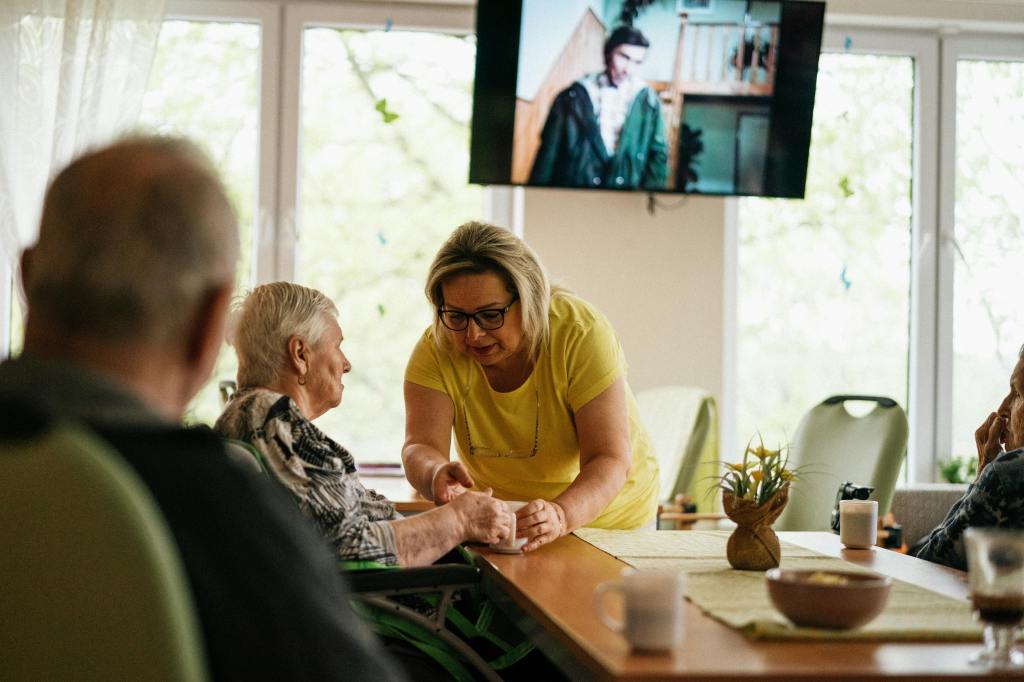
Supporting caregivers: Alternative strategies to fuel healthy aging.
Occupational therapy (OT) support for caregivers is a cornerstone of healthy aging—empowering families to maintain safe, supportive, and engaging environments that foster independence and wellbeing for older adults. Research reveals that caregiver strain affects not only the caregiver’s health but also the quality of life and outcomes of those receiving care, making professional OT insights especially…
-
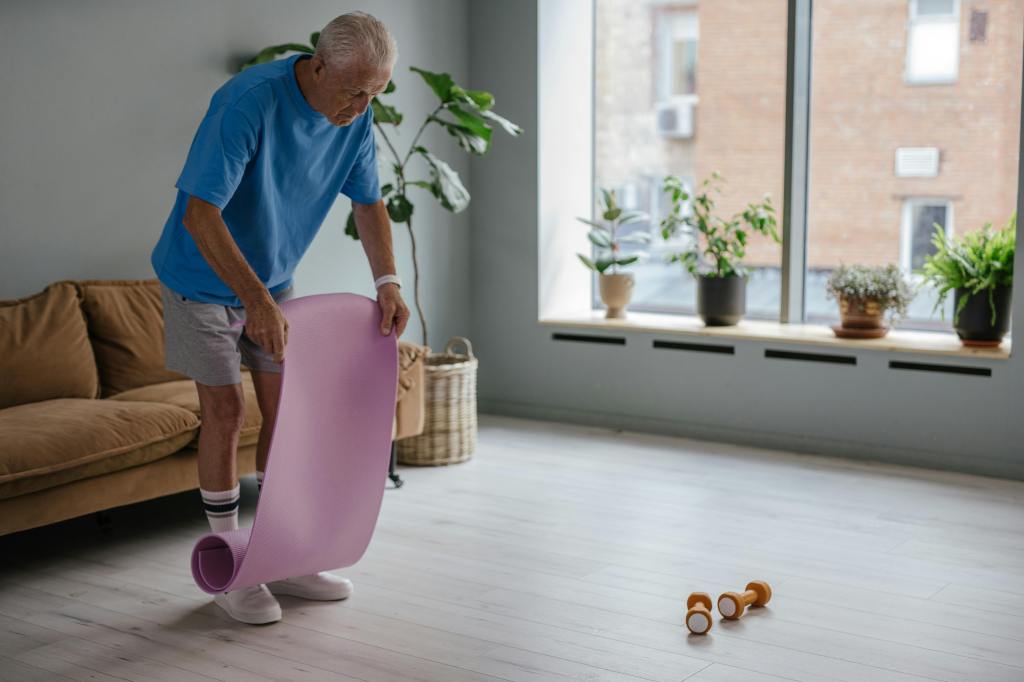
Lifestyle Redesign®: Occupational Therapy’s Evidence-Based Pathway to Healthy Aging
Healthy aging isn’t merely about prolonging life—it’s about enhancing vitality, purpose, and well-being through everyday habits and meaningful activities. The evidence-backed occupational therapy intervention known as Lifestyle Redesign® is at the forefront of this movement, empowering older adults to proactively shape their routines for greater health, independence, and satisfaction (Pyatak et al., 2022). What Is Lifestyle Redesign®?…
-

“Never Too Late to Reinvent Yourself”
As occupational therapists and home accessibility specialists, September’s Healthy Aging® Month theme—“Never Too Late to Reinvent Yourself”—aligns perfectly with our mission to empower older adults and individuals of all abilities to live with confidence, independence, and purpose. This annual observance is an opportunity to inspire not only the people we serve but also our colleagues…
-

Retirement: Occupational Transition planning – A role for OT
Occupational therapy plays a critical role in supporting wellness, independence, and life satisfaction as individuals age, especially during the complex transition into retirement. For occupational therapists, facilitating this transition goes well beyond managing physical or cognitive decline; it centers on empowering individuals to engage in meaningful occupations, prevent occupational disruption, and prepare proactively for a new life stage.…
 The Home Accessibility Therapist LLC