Tag: home-accessibility-therapist
-
New Research Proves What We’ve Been Saying: Home Modifications Work—Even on a Budget
If you’ve ever wondered whether home modification programs actually deliver measurable results for older adults in underserved communities, a groundbreaking study just gave us the answer: Yes, they absolutely do. The Older Adult Home Modification Program (OAHMP) study, published in the American Journal of Occupational Therapy in March 2025, evaluated an interprofessional home modification program serving 65 low-income…
-
Outdoor Spaces That Support Living Well: An Emerging Trend in Home Accessibility
When designing a true “forever home,” most occupational therapists focus their expertise on bathrooms, kitchens, and interior mobility. But there’s a critical gap in home modification practice that’s gaining attention in 2026: outdoor accessibility. While conversations about aging-in-place modifications are common for interior spaces, guidance for outdoor environments remains far less accessible. Yet research shows that…
-
Beyond the One-and-Done: Why Home Modifications Require Ongoing Occupational Therapy Expertise
I hear it all the time: “Sue, I’m burned out from traditional therapy. I just want to do home modification assessments—go in, evaluate, make recommendations, and move on to the next client.” I understand the appeal. After years of grinding through productivity standards, insurance denials, and documentation demands, the idea of conducting independent assessments sounds…
-
Bridging the Gap: What Recent Research Reveals About the Future of Home Modifications for Aging in Place
As occupational therapists, we know that home modifications can be transformative for our clients. But what does the latest research tell us about where we’re succeeding—and where we need to grow? A comprehensive systematic review published in March 2025 examined 20 studies on home modifications for aging in place, revealing both encouraging evidence and critical…
-

Medicare Telehealth Waivers Extended Through 2027: What Home Accessibility Therapists Need to Know
Good news for telehealth access! After a brief lapse, Congress has successfully passed H.R. 7148, the Consolidated Appropriations Act of 2026, extending Medicare telehealth flexibilities through December 31, 2027. The bill passed the Senate on January 30, 2026, with a 71-29 vote, providing nearly two years of stability for patients and healthcare providers who have come…
-

Why Your Best Home Modification Recommendations Get Ignored (And How to Change That)
You walk into Mrs. Johnson’s bathroom and immediately spot the problem. The tub is dangerously high, there’s no grab bar, and she’s already had two near-falls this month. You know exactly what she needs—a simple modification that could prevent a life-changing injury . But when you make the recommendation, she shakes her head. “I don’t…
-
Evidence in Action: Home Modifications That Transform Quality of Life for Older Adults
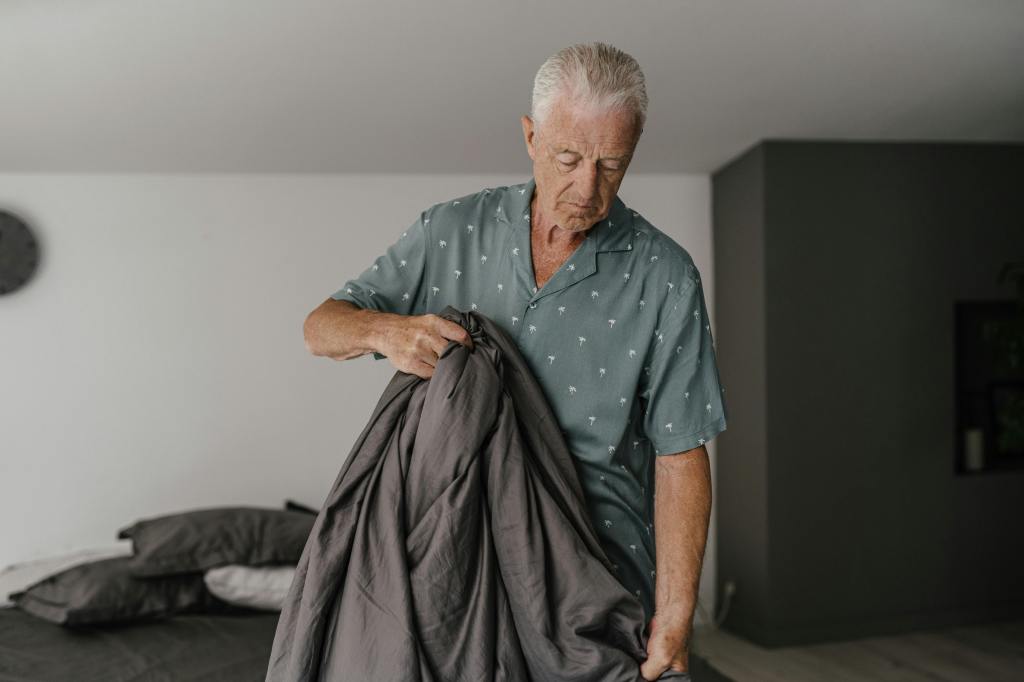
A newly published study in Disability and Rehabilitation: Assistive Technology reinforces what occupational therapists have long advocated: strategic home modifications can significantly improve quality of life while reducing environmental hazards for older adults. The single-group intervention study by Akyurek and Özata Değerli (2025) provides timely evidence for OT practitioners seeking to strengthen their home modification services in…
-
2026 Home Accessibility Trends: What CHAT Therapists Need to Know
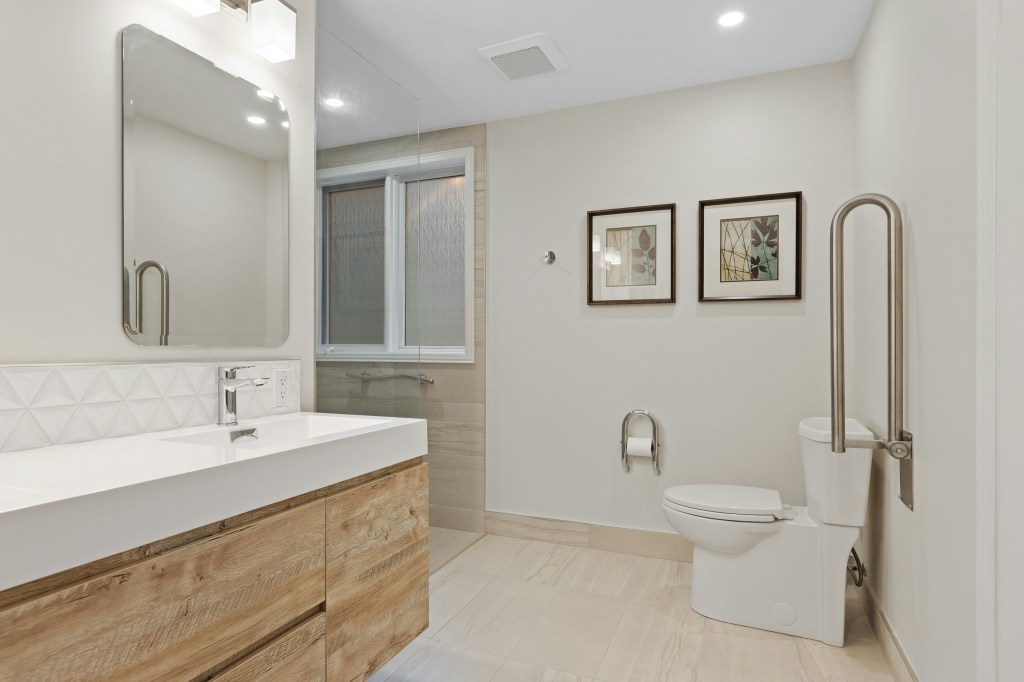
The home accessibility industry is experiencing a pivotal transformation in 2026, and Certified Home Accessibility Therapists (CHAT) are at the forefront of this evolution. With technology integration, demographic shifts, and new care delivery models reshaping the landscape, staying informed about these trends is essential for providing cutting-edge services to clients. The Smart Home Revolution Has…
-
Toolbox Tips: Inclinometers
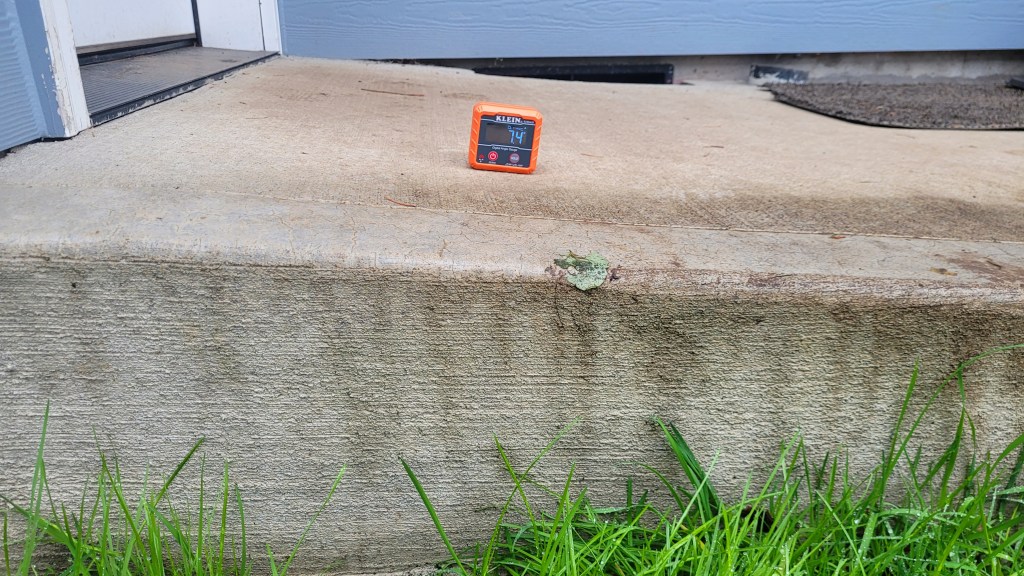
An inclinometer, also called a clinometer or tilt sensor, is an instrument that measures angles of slope, tilt, or inclination relative to gravity. The device displays measurements as angular degrees, percentages, or ratios, providing objective data about how much a surface deviates from level or vertical. Modern inclinometers use accelerometer technology to detect gravitational pull…
-

Aging in Place Through Winter: Preparing Homes and Clients for the Season’s Unique Challenges
Winter presents distinct challenges for older adults aging in place, with cold weather, reduced daylight, increased isolation, and seasonal hazards all converging to threaten health, safety, and independence. As occupational therapists specializing in home modifications and aging in place support, we play a critical role in preparing clients and their environments for successful winter navigation.…
 The Home Accessibility Therapist LLC