
Tag: education
-
Accessible Home Modification and Impacts: Understanding the Client Experience to Enhance OT Practice
When occupational therapists recommend home modifications, we often focus on the functional outcomes—improved safety, enhanced independence, reduced fall risk. But what happens after we make our recommendations? A groundbreaking qualitative study published in the March 2026 issue of the American Journal of Occupational Therapy provides crucial insights into what clients actually experience when navigating the home modification…
-
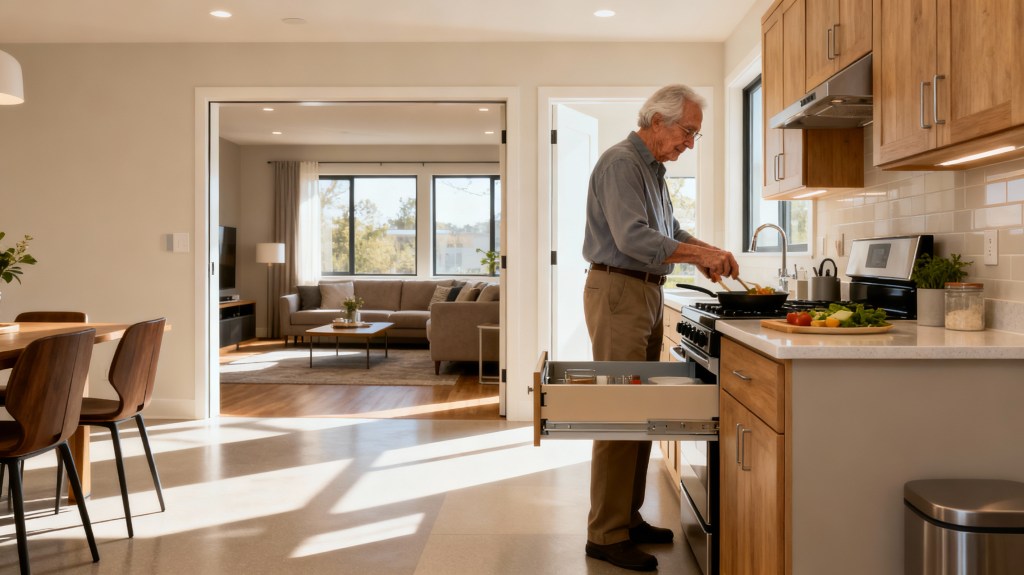
Main-Floor Living: The Future of Accessible Home Design
Why Main-Floor Living Is Gaining Momentum The home building industry is experiencing a significant shift toward main-floor living design principles, driven by demographic trends and evolving consumer preferences. This architectural approach, which eliminates or minimizes the need for stair navigation by concentrating essential living spaces on a single level, is no longer reserved exclusively for…
-

Retirement: Occupational Transition planning – A role for OT
Occupational therapy plays a critical role in supporting wellness, independence, and life satisfaction as individuals age, especially during the complex transition into retirement. For occupational therapists, facilitating this transition goes well beyond managing physical or cognitive decline; it centers on empowering individuals to engage in meaningful occupations, prevent occupational disruption, and prepare proactively for a new life stage.…
-

Utilizing Lifestyle Medicine to promote healthy aging.
Occupational therapists working in community settings are key facilitators of healthy aging—not only by supporting daily function but by addressing the complex mix of social, environmental, and lifestyle factors that shape the aging process. While the bulk of aging sciences focuses on biological aging factors, “fundamental causes of aging may be found in the social exposome-the…
-
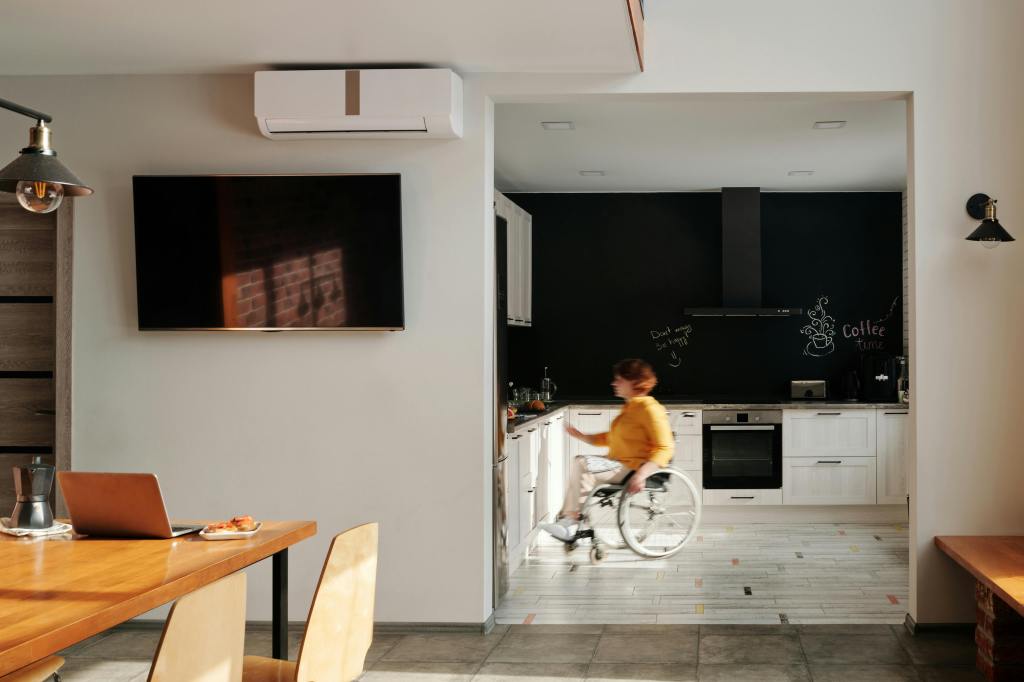
Supporting Stroke Survivors at Home: The Key Role of Occupational Therapists in Home Modifications
Transitioning from inpatient rehabilitation to home is a critical—and often challenging—phase for stroke survivors. Many encounter new barriers in their home and community environments, which can impact recovery and daily life. Recent research offers valuable lessons for occupational therapists seeking to make a meaningful difference in the lives of these individuals. What the Latest Evidence…
-

Bridging the Gap: Smart Home Modification Framework for Occupational Therapists
Smart home technologies hold great promise for people with physical disabilities, yet their real-world use often lags behind due to complex interfaces, high costs, technical challenges, and lack of institutional support. A recent study tackled this challenge head-on by developing a validated, expert-driven framework designed to help occupational therapists (OTs) confidently recommend and implement smart…
 The Home Accessibility Therapist LLC