Category: Uncategorized
-
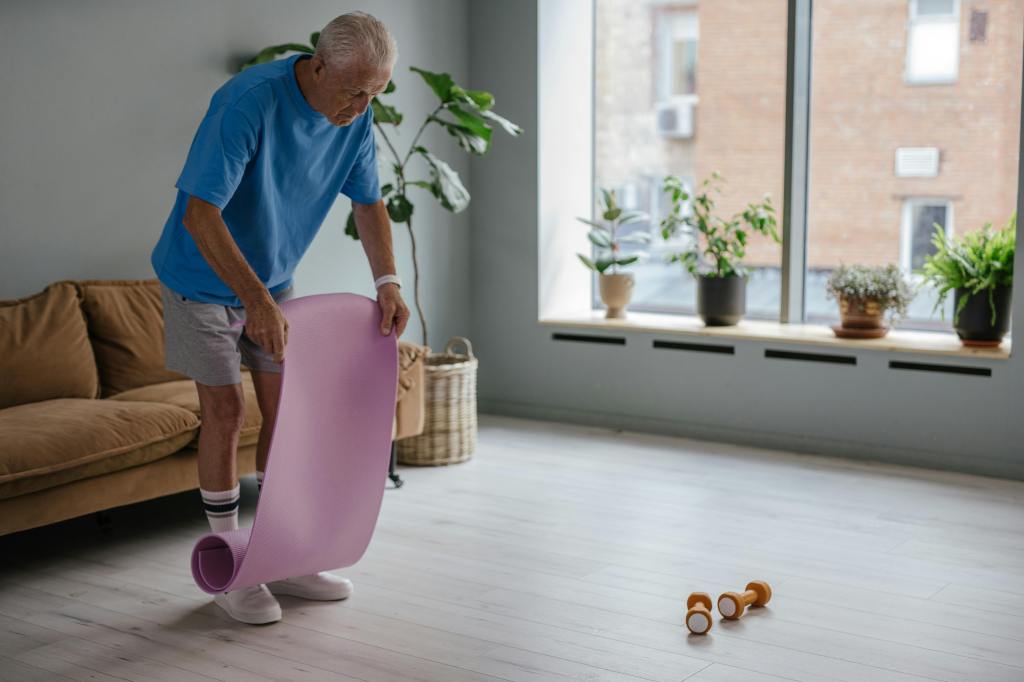
Lifestyle Redesign®: Occupational Therapy’s Evidence-Based Pathway to Healthy Aging
Healthy aging isn’t merely about prolonging life—it’s about enhancing vitality, purpose, and well-being through everyday habits and meaningful activities. The evidence-backed occupational therapy intervention known as Lifestyle Redesign® is at the forefront of this movement, empowering older adults to proactively shape their routines for greater health, independence, and satisfaction (Pyatak et al., 2022). What Is Lifestyle Redesign®?…
-

“Never Too Late to Reinvent Yourself”
As occupational therapists and home accessibility specialists, September’s Healthy Aging® Month theme—“Never Too Late to Reinvent Yourself”—aligns perfectly with our mission to empower older adults and individuals of all abilities to live with confidence, independence, and purpose. This annual observance is an opportunity to inspire not only the people we serve but also our colleagues…
-
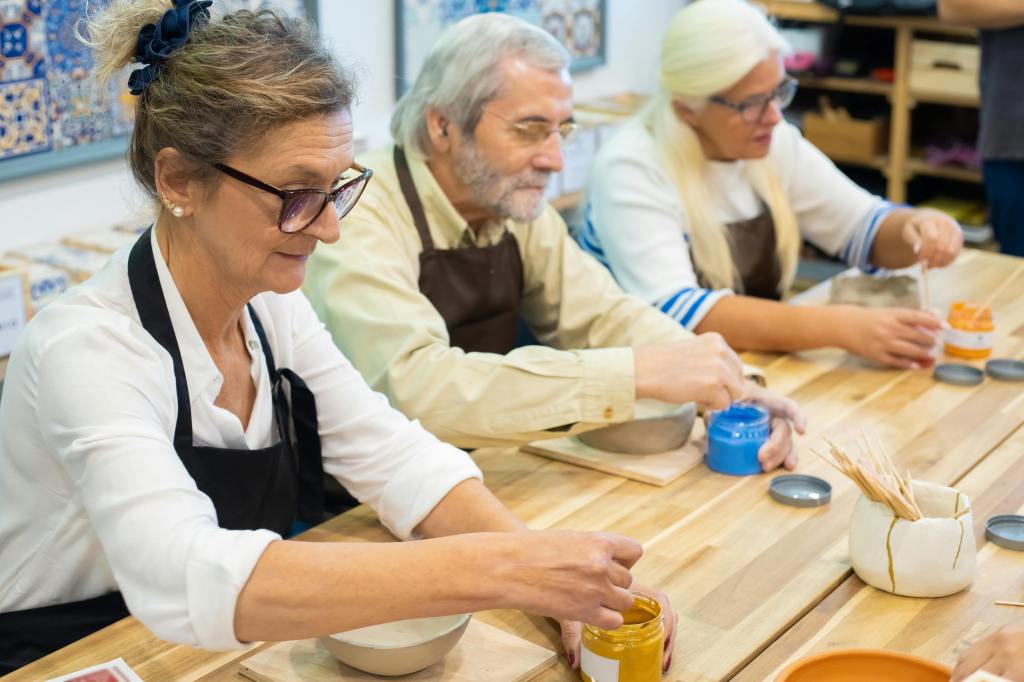
Retirement: Occupational Transition planning – A role for OT
Occupational therapy plays a critical role in supporting wellness, independence, and life satisfaction as individuals age, especially during the complex transition into retirement. For occupational therapists, facilitating this transition goes well beyond managing physical or cognitive decline; it centers on empowering individuals to engage in meaningful occupations, prevent occupational disruption, and prepare proactively for a new life stage.…
-

Utilizing Lifestyle Medicine to promote healthy aging.
Occupational therapists working in community settings are key facilitators of healthy aging—not only by supporting daily function but by addressing the complex mix of social, environmental, and lifestyle factors that shape the aging process. While the bulk of aging sciences focuses on biological aging factors, “fundamental causes of aging may be found in the social exposome-the…
-

Aging Well: The OT Approach to Healthy Senior Living
September is Healthy Aging Month. Occupational therapy empowers older adults to live with independence, confidence, and optimal well-being throughout the aging journey. The OT approach focuses on enabling participation in the daily activities and passions that make life meaningful—whether that’s gardening, connecting with loved ones, engaging in volunteer work, or simply managing everyday tasks at…
-
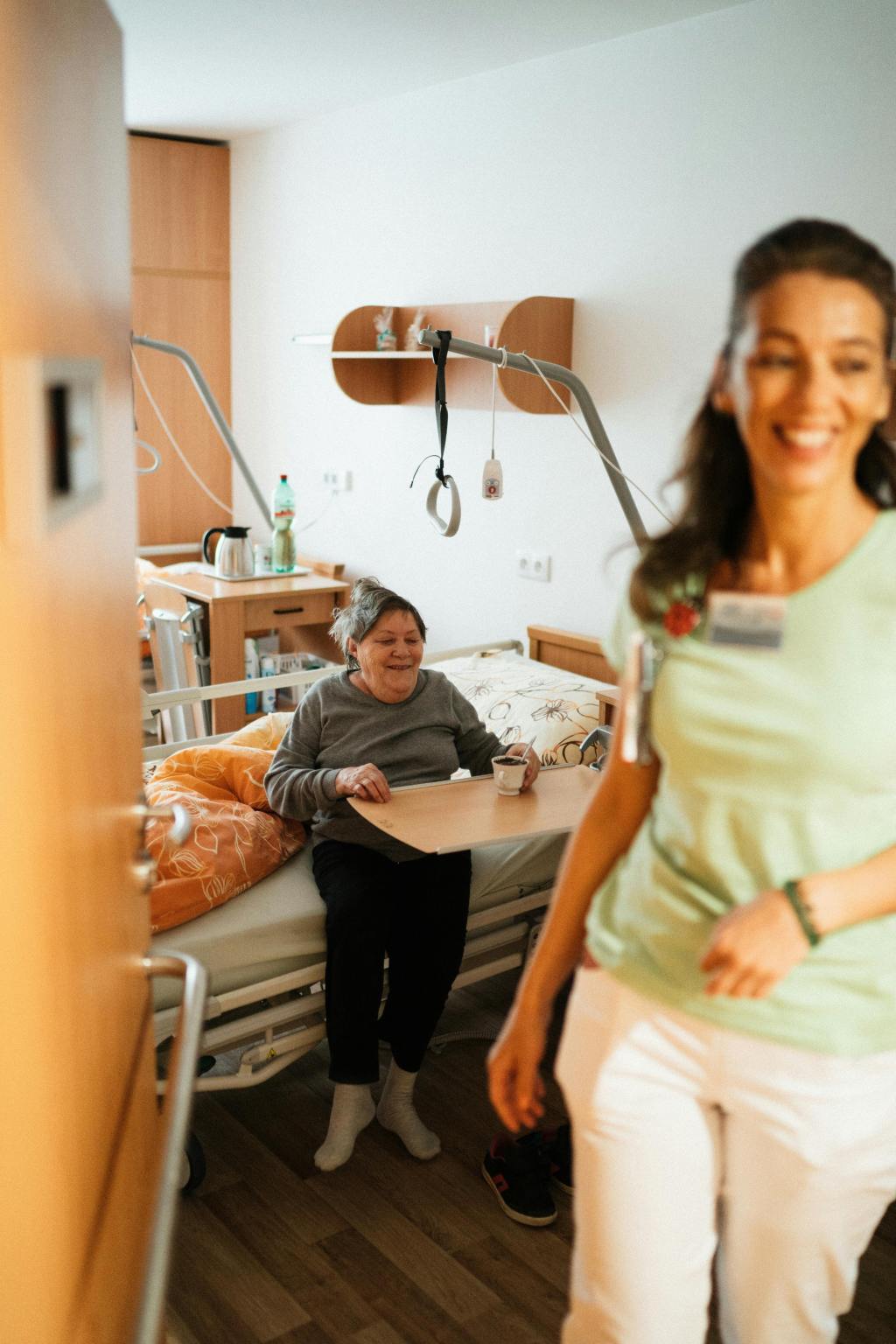
Enhancing Predischarge Decision-Making: Tools for Occupational Therapists
Deciding whether to conduct a predischarge home visit is one of the most critical—and sometimes challenging—tasks for occupational therapists (OTs) working in hospital settings. A new study addresses this challenge by evaluating a structured support tool designed to guide and improve this decision-making process. What the Study Found Researchers introduced a decision-making support tool across…
-
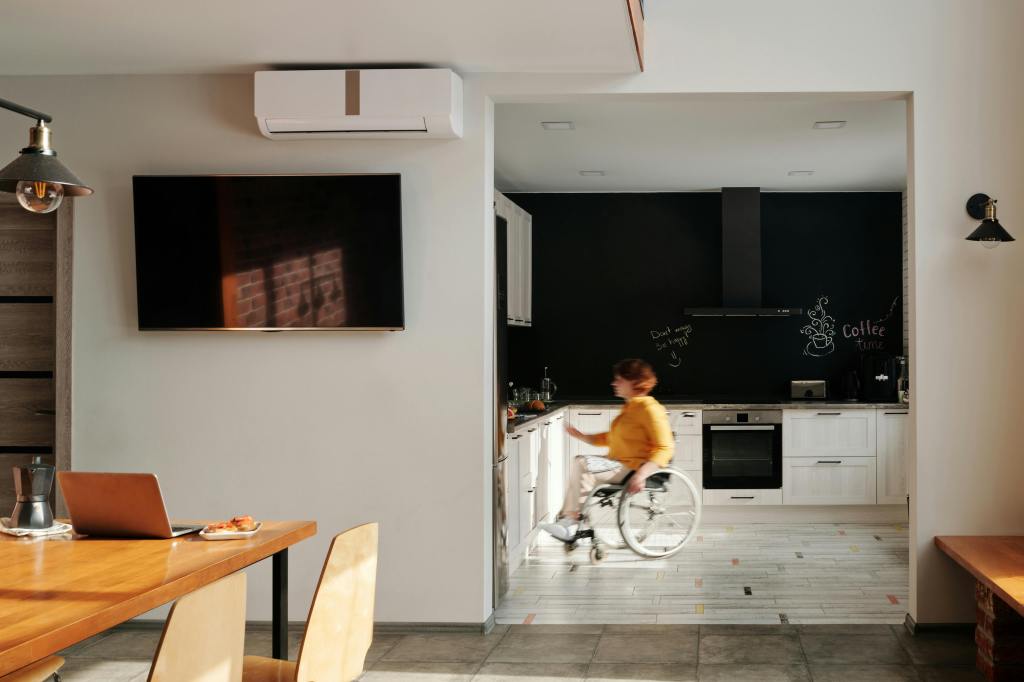
Supporting Stroke Survivors at Home: The Key Role of Occupational Therapists in Home Modifications
Transitioning from inpatient rehabilitation to home is a critical—and often challenging—phase for stroke survivors. Many encounter new barriers in their home and community environments, which can impact recovery and daily life. Recent research offers valuable lessons for occupational therapists seeking to make a meaningful difference in the lives of these individuals. What the Latest Evidence…
-

Advancing Home Modifications in a Digital Age: Occupational Therapists Supporting Older Adults
As digital technology increasingly integrates with daily life, its role grows ever more vital for older adults aging at home. Occupational therapists (OTs) are pivotal in ensuring that both physical home modifications and digital interventions are truly supportive, accessible, and dignified. Recent qualitative research provides insight into how older adults view these innovations—and how OTs…
-

Occupational Therapists as Leaders in Fall Prevention: Insights from a Rural Implementation Study
Occupational therapists (OTs) play a critical role in helping older adults stay safe at home, particularly through environmental assessment and modification to prevent falls. A recent pilot implementation study in regional Australia demonstrates how embedding fall prevention into routine OT practice can make a sustained difference for high-risk older adults. Highlights from the Study The…
-
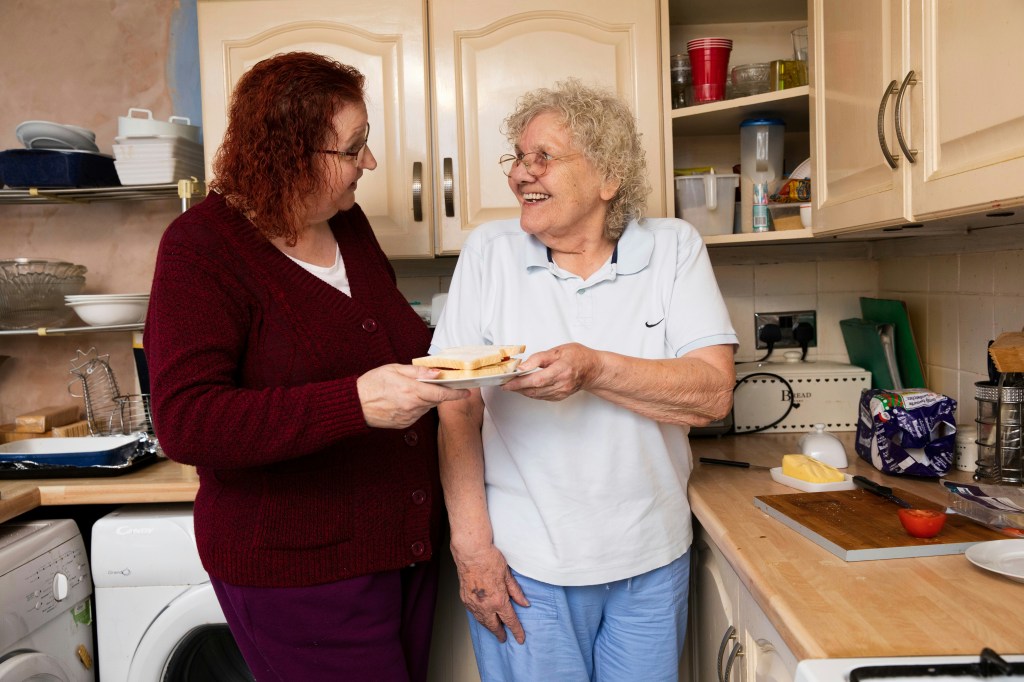
Empowering Occupational Therapists: Integrating Home Modifications and Nutrition to Reduce Fall Risk
Aging in place is a goal cherished by many older adults, but it comes with unique challenges that occupational therapists (OTs) are uniquely equipped to address. A recent feasibility trial highlights the importance of a multidisciplinary approach—combining occupational therapy and registered dietitian services—to reduce fall risk among homebound older adults receiving home-delivered meals. Why Home…
 The Home Accessibility Therapist LLC