Category: Uncategorized
-

Aging in Place Through Winter: Preparing Homes and Clients for the Season’s Unique Challenges
Winter presents distinct challenges for older adults aging in place, with cold weather, reduced daylight, increased isolation, and seasonal hazards all converging to threaten health, safety, and independence. As occupational therapists specializing in home modifications and aging in place support, we play a critical role in preparing clients and their environments for successful winter navigation.…
-
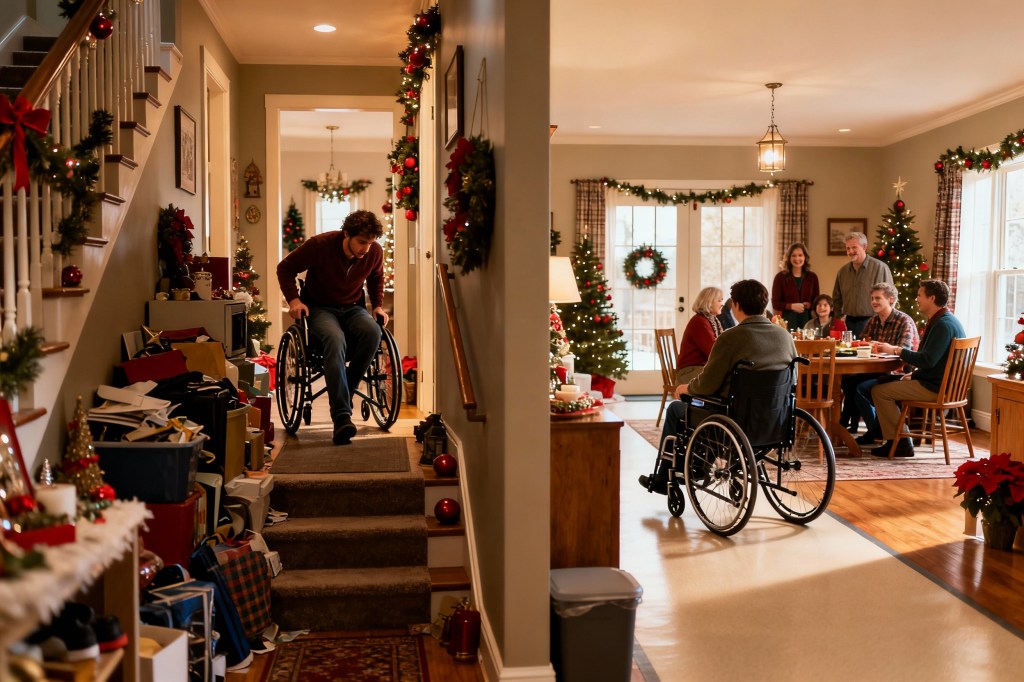
Creating Accessible Holiday Spaces: Occupational Therapy Strategies for Inclusive Celebrations
The holiday season should be a time of joy and connection for all family members, including older adults and individuals with disabilities. Yet traditional holiday environments—with their decorative obstacles, temporary furniture arrangements, and activity-filled spaces—can create significant accessibility challenges that limit participation for those with mobility impairments, sensory needs, or functional limitations. As occupational therapists…
-
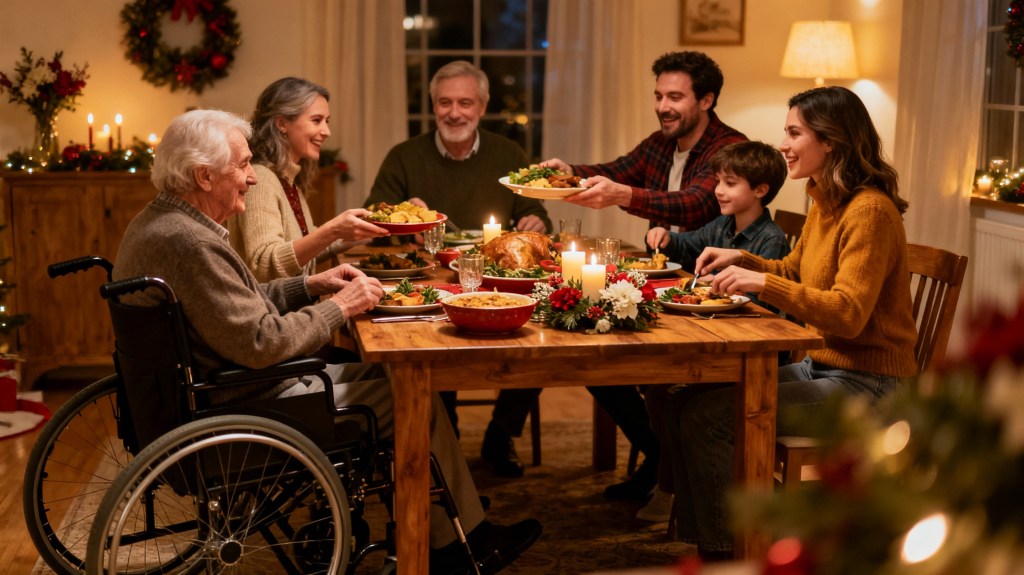
Holiday Home Safety & Accessibility for Seniors: Creating a Welcoming, Safe Environment for Elderly Visitors
The holiday season brings families together—but when elderly loved ones visit, the same homes that feel comfortable for younger family members can harbor hidden dangers for older adults with mobility limitations, balance challenges, or vision impairments. As occupational therapists specializing in home modifications and accessibility, we understand that hosting safely doesn’t mean downsizing the celebration—it…
-
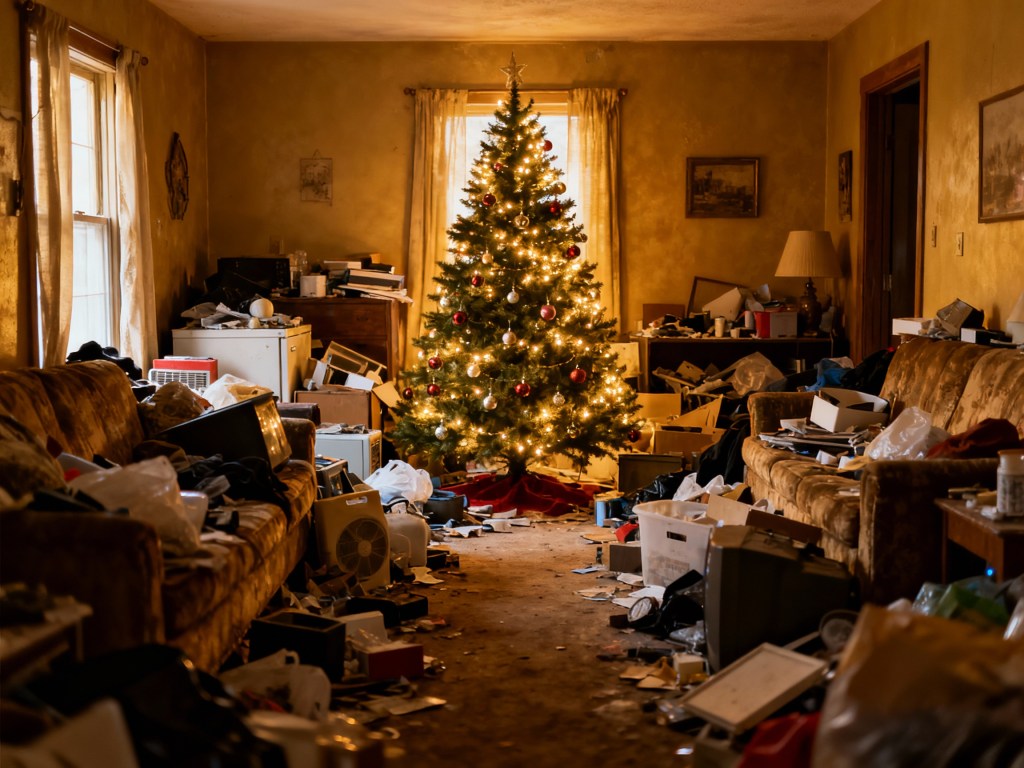
Hoarding, Occupational Therapy, and the Holiday Season: A Compassionate Approach to a Complex Challenge
The holiday season brings joy, connection, and celebration for many families—but for individuals living with hoarding disorder and their loved ones, it can be a time of overwhelming stress, shame, and isolation. As occupational therapists specializing in home safety and accessibility, we have a unique opportunity to support this often-marginalized population through trauma-informed, occupation-based interventions…
-

Year-End Planning: Maximizing FSA and Budget Dollars for Home Modifications
Don’t Leave Money on the Table This December As the calendar year draws to a close, now is the critical time to help your aging-in-place clients leverage their remaining flexible spending accounts (FSA) and year-end budgets for essential home modifications. Many clients may be unaware that unused FSA funds are subject to the “use it…
-

Part 2: Safety During Home Visits: Protocols and Systems for Winter Practice
Welcome to Part 2 of our winter safety series for home-visiting therapists. Part 1 addressed preparation—vehicle readiness, winter driving strategies, and personal health maintenance. Now we turn our attention to what happens once you arrive at patient homes: navigating winter-specific environmental hazards, implementing personal safety protocols during visits, and building comprehensive safety infrastructure whether you…
-
Part 1: Winter Safety Preparations for Home-Visiting Therapists: Vehicle Readiness, Driving Strategies, and Personal Wellness
As occupational and physical therapists providing home-based services, we spend considerable time preparing our clients’ environments for safety—but how often do we apply that same systematic approach to our own safety during winter home visits? This two-part series addresses the comprehensive safety needs of home health and outpatient therapists who provide services in client homes…
-
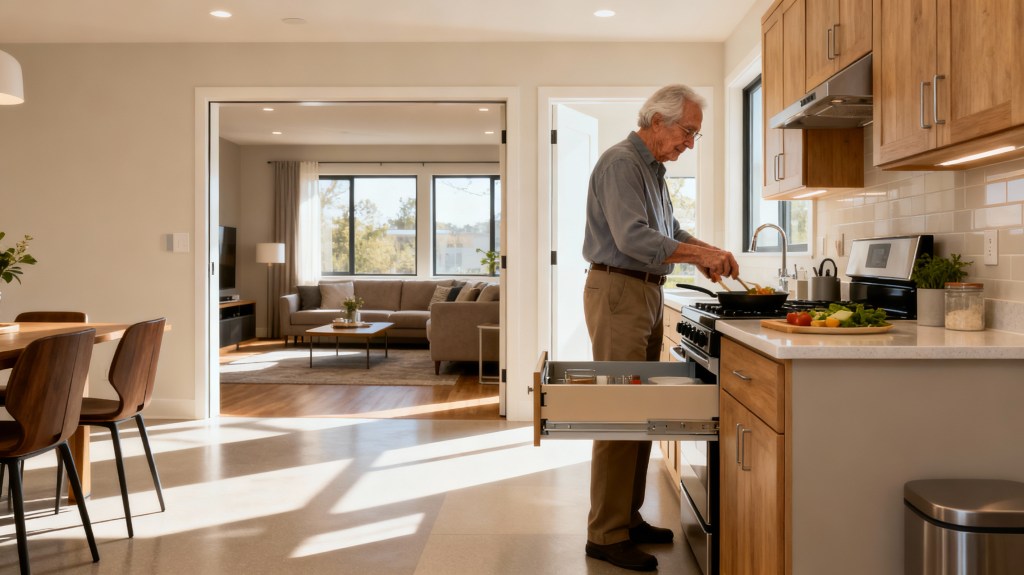
Main-Floor Living: The Future of Accessible Home Design
Why Main-Floor Living Is Gaining Momentum The home building industry is experiencing a significant shift toward main-floor living design principles, driven by demographic trends and evolving consumer preferences. This architectural approach, which eliminates or minimizes the need for stair navigation by concentrating essential living spaces on a single level, is no longer reserved exclusively for…
-

Beyond Generic Checklists: Why Personalized Home Modification Assessments Deliver Superior Outcomes
The Problem with One-Size-Fits-All Approaches Generic home modification checklists and standardized protocols have long dominated the aging-in-place industry, but research reveals a significant gap in effectiveness. A systematic review of home modifications for aging in place found that effectiveness varies considerably based on individualization of interventions, with many standardized approaches failing to account for the…
-

End-of-Year Checklist for Home Modification Therapy Practice Owners
Finish Strong: Essential Year-End Tasks for Your Practice December is more than just holiday celebrations—it’s your opportunity to close out the current year strategically and position your home modification practice for success in 2026. Whether you’re a solo practitioner or managing a small team, these end-of-year tasks will help you wrap up administrative loose ends,…
 The Home Accessibility Therapist LLC