As the holiday season approaches, occupational and physical therapists face a critical window to educate clients about fall prevention. The combination of icy outdoor conditions, cluttered indoor spaces from holiday decorating, and disrupted routines creates what experts call “the perfect storm” for falls among older adults. With evidence showing that targeted interventions can reduce fall rates by 26-42%, our role in preventing these potentially devastating injuries has never been more important.
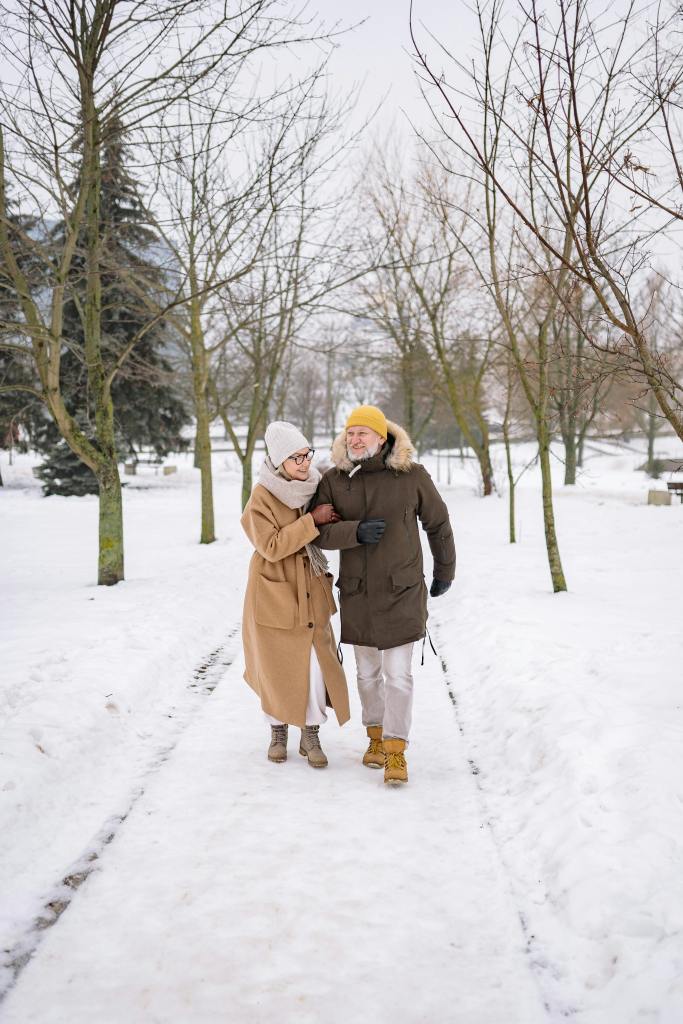
Why Fall Risk Escalates During the Holiday Season
Multiple factors converge during the winter holidays to dramatically increase fall risk for older adults and individuals with balance challenges. Understanding these risk factors allows therapists to provide targeted, timely interventions.
Environmental Hazards Multiply: Icy sidewalks, driveways, and parking lots become treacherous after snow or freezing rain. Indoor environments transform as well, with holiday decorations, extension cords, additional furniture for guests, gift piles, and increased foot traffic turning familiar homes into obstacle courses filled with tripping hazards. Research on home safety assessments identifies dimly lit hallways, stairs lacking railings, and slippery walkways as key modifiable fall hazards that become even more problematic during the holidays (New York Times, 2025).
Routine Disruption Affects Balance: Travel, late-night gatherings, skipped exercise sessions, and changes in sleep patterns can worsen balance and mobility. The disruption of regular physical activity is particularly concerning, as consistent movement is essential for maintaining strength and coordination. Statistics show that seniors who participate in structured indoor movement programs report 45% better mobility maintenance throughout winter compared to those who don’t (Pillars of Wellness, 2025).
Multitasking Increases Risk: Carrying shopping bags, food platters, decorations, or gifts while walking significantly raises fall risk, especially for individuals with gait abnormalities or compromised balance. The inability to use hands for support when needed leaves individuals vulnerable to falls.
Medical Conditions Create Vulnerability: Parkinson’s disease, peripheral neuropathy, stroke history, arthritis, and general age-related decline in vision and proprioception make holiday environments particularly challenging. These conditions affect reaction time, balance responses, and the ability to recover from near-falls.
Evidence-Based Outdoor Safety Strategies
Research demonstrates that winter-specific fall prevention strategies can significantly reduce outdoor falls when implemented correctly. A comprehensive review found that anti-slip shoe devices for icy conditions significantly reduced winter outside falls in community-dwelling older adults (Gillespie et al., 2012).
Footwear Selection Is Critical: Recommend shoes or boots with strong traction, firm ankle support, and non-slip soles specifically designed for winter conditions. Smooth-bottomed dress shoes—often worn to holiday gatherings—should be avoided in favor of functional footwear. Consider recommending removable traction devices like YakTrax or similar products that can be added to existing footwear for outdoor conditions and removed indoors.
Gait Modification Techniques: Educate clients to walk slowly using shorter, more deliberate steps on icy surfaces. This “penguin walk” technique—taking flat-footed steps with feet slightly apart—helps maintain control and balance on slippery surfaces. Emphasize keeping the center of gravity over the feet and avoiding rushing, even when cold.
Proactive Surface Treatment: Encourage clients and families to salt or sand walkways before stepping outside. If visiting family, clients should feel empowered to request that someone clear a safe path before they arrive. Stock rock salt, sand, or pet-safe ice melt products near entrances for easy access.
Hands-Free Transportation: Recommend backpacks or bags with shoulder straps so clients can keep hands free for balance rather than juggling packages. This simple modification allows for immediate use of handrails and the ability to catch oneself in case of a slip.
Pathway Lighting for Early Darkness: Winter’s reduced daylight hours make adequate pathway lighting critical for fall prevention. With darkness falling as early as 4:30 PM in northern regions, outdoor navigation increasingly occurs in low-light conditions when visual hazards are difficult to detect. Research demonstrates that well-lit pathways significantly reduce slip and fall accidents by improving depth perception, obstacle detection, and surface condition visibility (Stack Heating, 2024).
Install low-voltage LED pathway lights along walkways, driveways, steps, and entrances at regular intervals (typically 6-10 feet apart) to create consistent illumination without dark spots or shadows (Silhouette Lights, 2025). LED fixtures perform reliably even in extreme cold, unlike traditional bulbs that may fail or dim in freezing temperatures (Crown Lighting Group, 2024). Opt for downward-facing or low-profile lights that illuminate surfaces without creating glare that can obscure vision or reflection off snow and ice (Stack Heating, 2024).
Motion-sensor lighting provides energy-efficient coverage for less-trafficked areas while ensuring automatic illumination when someone approaches (Silhouette Lights, 2025; Tru-scapes, 2025). This technology is particularly valuable for older adults who may have difficulty operating switches with gloves or limited dexterity. Wall-mounted fixtures at entrances and along building exteriors complement pathway lighting to eliminate shadows where steps, thresholds, or surface changes might be hidden (Hampshire Light, 2025).
When planning pathway lighting installations, position fixtures to highlight critical safety zones—stairs, elevation changes, driveway aprons, walkway edges, and transitions between surfaces (Silhouette Lights, 2025). Ensure lighting is bright enough to clearly show ice patches, wet leaves, or other slip hazards, but avoid harsh brightness that creates disorienting contrast between lit and unlit areas. Weather-resistant fixtures with IP65 rating or higher withstand winter moisture, snow accumulation, and freezing conditions (Lighting Warehouse, 2024).
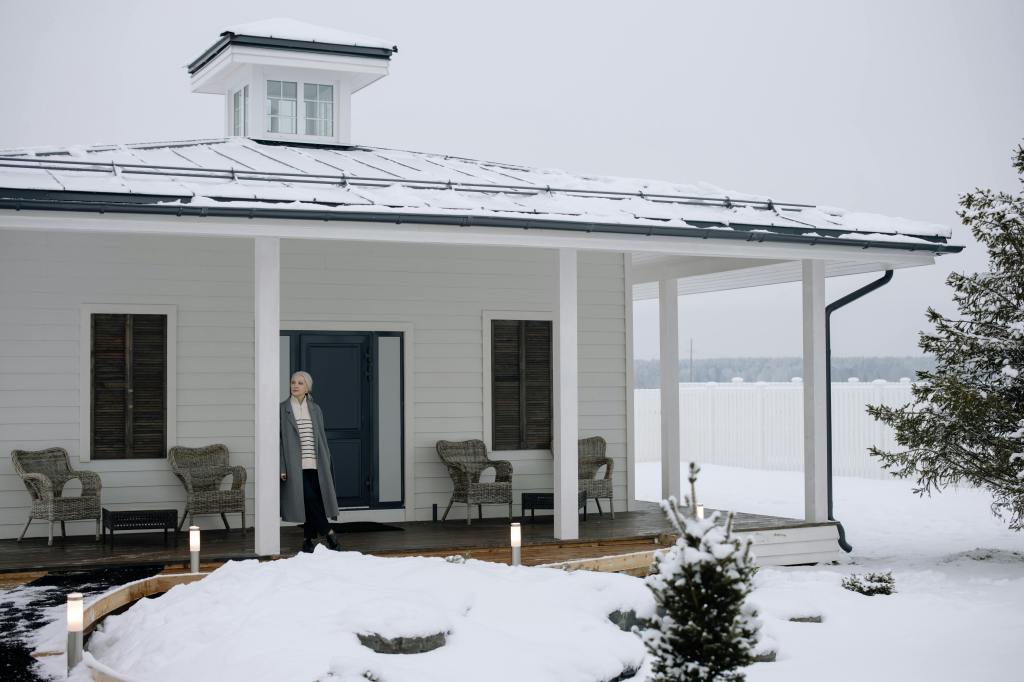
Indoor Fall Prevention for Holiday Gatherings
Home safety modifications take on new urgency during the holiday season when older adults may be hosting guests or visiting unfamiliar environments. Evidence shows that home safety interventions performed by occupational therapists can reduce the rate and risk of falling by up to 36%, with even greater effectiveness (38% reduction) for individuals at high risk (New York Times, 2025; Lee et. al., 2025).
Pathway Clearance: Work with clients to remove loose rugs, electrical cords, floor-level decorations, and clutter from all walking paths. Create wide, open pathways from room to room, especially between frequently used areas like the living room, bathroom, and kitchen. This is particularly important when hosting guests who may be unfamiliar with the home layout.
Strategic Lighting Enhancement: Good lighting reduces missteps and improves depth perception. Add extra lighting in hallways, staircases, bathrooms, and entryways—all areas where falls commonly occur. Motion-sensor nightlights provide hands-free illumination and are particularly valuable for nighttime bathroom trips during overnight visits. Research shows that proper lighting is one of the most effective and cost-efficient fall prevention modifications (Richard, 2025).
Floor Surface Management: Wet floors from tracked-in snow or spilled drinks present major hazards during holiday gatherings. Place absorbent, non-slip mats near all entrances and establish protocols for immediate spill cleanup. Consider removing area rugs entirely during high-traffic holiday events, as they account for a significant percentage of indoor falls.
Seating Considerations: Recommend stable chairs with armrests for holiday meals and gatherings. Armrests make sitting and standing significantly safer, especially after long meals when legs may be stiff. Avoid low, soft seating that makes standing difficult for individuals with lower extremity weakness.
Travel Safety for Seniors with Balance Challenges
Holiday travel presents unique fall risks that require advance planning and occupational therapy intervention.
Airport and Transit Accommodations: Encourage clients to request wheelchair assistance at airports in advance, even if they can walk short distances. Airport environments involve long walks, crowds, rushing, and carrying luggage—all fall risk factors. Pack medications and assistive devices in carry-on bags to ensure access if checked luggage is delayed.
Vehicle Safety: For car travel, recommend frequent walking breaks during long drives to prevent stiffness and maintain circulation. Exiting and entering vehicles can be high-risk moments; practice techniques for safe car transfers and consider vehicle modifications like grab handles if needed.
Crowd Navigation: Coach clients to avoid rushing through crowds in stores, airports, or gathering spaces. The pressure to keep pace with others can lead to unsafe hurrying. Arriving early to events or choosing off-peak times for errands reduces crowd-related stress and fall risk.
The Role of Targeted Physical and Occupational Therapy
A well-designed therapy program addressing fall prevention can produce measurable improvements in a matter of weeks. Evidence-based interventions focus on multiple dimensions of fall risk:
Strength and Balance Training: Lower extremity strengthening combined with progressive balance exercises improves postural stability and reaction time. Programs incorporating challenging but safe balance activities—standing on foam, tandem walking, weight shifting—build the neuromuscular responses needed to prevent falls.
Gait Training: Address gait abnormalities, reduce freezing episodes (particularly important for clients with Parkinson’s disease), and improve walking confidence through targeted gait training. Environmental practice—walking on various surfaces, negotiating obstacles, practicing stairs—builds real-world skills.
Functional Task Practice: Incorporate holiday-relevant tasks into therapy: carrying items while walking, reaching for overhead decorations safely, practicing transfers with bulky winter clothing, and navigating typical holiday scenarios.
Home Safety Assessment: Comprehensive home assessments identify specific environmental hazards in the client’s living space. Providing tailored recommendations for modifications, adaptive equipment, and behavioral strategies ensures interventions address the client’s unique risk factors.
When to Recommend Professional Intervention
Therapists should watch for these red flags indicating need for immediate fall prevention services:
- Feeling unsteady on icy or uneven surfaces
- Difficulty stepping over thresholds, rugs, or curbs
- Recent near-falls or actual falls
- Freezing episodes while walking
- Reliance on furniture for support when walking indoors
- Fear of falling that limits activities
Addressing these warning signs proactively—before the first serious fall—prevents the cascade of complications including fractures, hospitalization, fear-induced activity restriction, deconditioning, and loss of independence.
Strengthen Your Fall Prevention Practice This Season
The holiday season offers a natural opportunity to engage clients in fall prevention conversations when motivation is high and risks are visible. Evidence-based interventions—combining environmental modification, strength and balance training, gait optimization, and education—demonstrably reduce fall rates and improve client confidence.
As specialists in home modifications and functional assessment, occupational and physical therapists are uniquely qualified to provide comprehensive fall prevention services. By implementing evidence-based protocols, conducting thorough home safety assessments, and providing targeted interventions during this high-risk season, we can significantly reduce fall-related injuries in our older adult population.
Consider developing holiday-specific fall prevention programs, educational workshops for community groups, and partnerships with senior centers to expand your reach during this critical time. The evidence is clear: our interventions work, and the holiday season is when our clients need them most.
References
Richard, J. (2025). Accessible holiday home modifications for seniors. Custodia Home Management. https://custodia.com/accessible-holiday-home-modifications-for-seniors/
Gillespie, L. D., Robertson, M. C., Gillespie, W. J., Sherrington, C., Gates, S., Clemson, L. M., & Lamb, S. E. (2012). Interventions for preventing falls in older people living in the community. Cochrane Database of Systematic Reviews, 2012(9), CD007146.
Lee, J.J., Patel, D., Gadgil, M., Langness, S., von Hippel, C.D., Sammann, A. (2025). Understanding barriers to home safety assessment adoption in older adults: Qualitative Human-Centered Design Study. JMIR Human Factors, 2025(1), e66854. https://doi.org/10.2196/66854
Pillars of Wellness. (2025). Winter activities for seniors with OT. https://pillarsofwellness.ca/occupational-therapist/safe-ways-for-seniors-to-remain-active-in-winter/
Cheung, S. (2025). Holiday fall prevention tips for seniors. Synaptic Rehabilitation. https://synapticrehab.com/how-to-prevent-holiday-falls-safety-tips-for-icy-weather-and-busy-gatherings/
The New York Times. (2025, June 11). 5 ways to prevent falling. https://www.nytimes.com/2025/06/11/well/fall-prevention-tips.html
Crown Lighting Group. (2024). Essential winter commercial lighting safety tips. https://crownlightinggroup.com/winter-lighting-upgrades-for-commercial-lighting-safety/
Hampshire Light. (2025). Brightening the darker months: Lighting tips for autumn and winter. https://www.hampshirelight.net/blog/lighting-tips-autumn-winter
Lighting Warehouse. (2024). How to prepare for outdoor winter lighting. https://www.lightingwarehouse.com/learn/winter-lighting
Silhouette Lights. (2025). How to light up your walkways for winter safety and warmth. https://silhouettelights.com/blogs/silhouette-lights-blog/how-to-light-up-your-walkways-for-winter-safety-and-warmth
Stack Heating. (2024). Brighten winter nights with landscape lighting ideas. https://stackheating.com/landscape-lighting/landscape-lighting-ideas/
Tru-scapes. (2025). How landscape lighting enhances your home’s security and safety. https://tru-scapes.com/how-landscape-lighting-enhances-your-homes-security-and-safety/
 The Home Accessibility Therapist LLC
Leave a comment