
As occupational and physical therapists providing home-based services, we spend considerable time preparing our clients’ environments for safety—but how often do we apply that same systematic approach to our own safety during winter home visits? This two-part series addresses the comprehensive safety needs of home health and outpatient therapists who provide services in client homes during winter months.
Part 1 focuses on preparation: ensuring your vehicle serves as a safe mobile office, developing winter driving strategies that get you to patients safely, and maintaining your personal health and wellbeing throughout the demanding winter season. Part 2 (coming next) will address safety during home visits themselves, including environmental assessment, personal safety protocols, and building safety infrastructure whether you work for an agency or in private practice.
Between navigating icy roads, managing unpredictable weather, and maintaining your own health during cold and flu season, winter presents unique occupational hazards for home-visiting practitioners. Implementing evidence-based safety protocols protects not only your wellbeing but ensures you remain available to serve the clients who depend on you.
Vehicle Preparation: Your Mobile Office and Lifeline
Your vehicle serves as office, storage space, and emergency shelter during winter home visits. Proper preparation can mean the difference between a minor inconvenience and a dangerous situation when weather turns severe or mechanical failures occur.
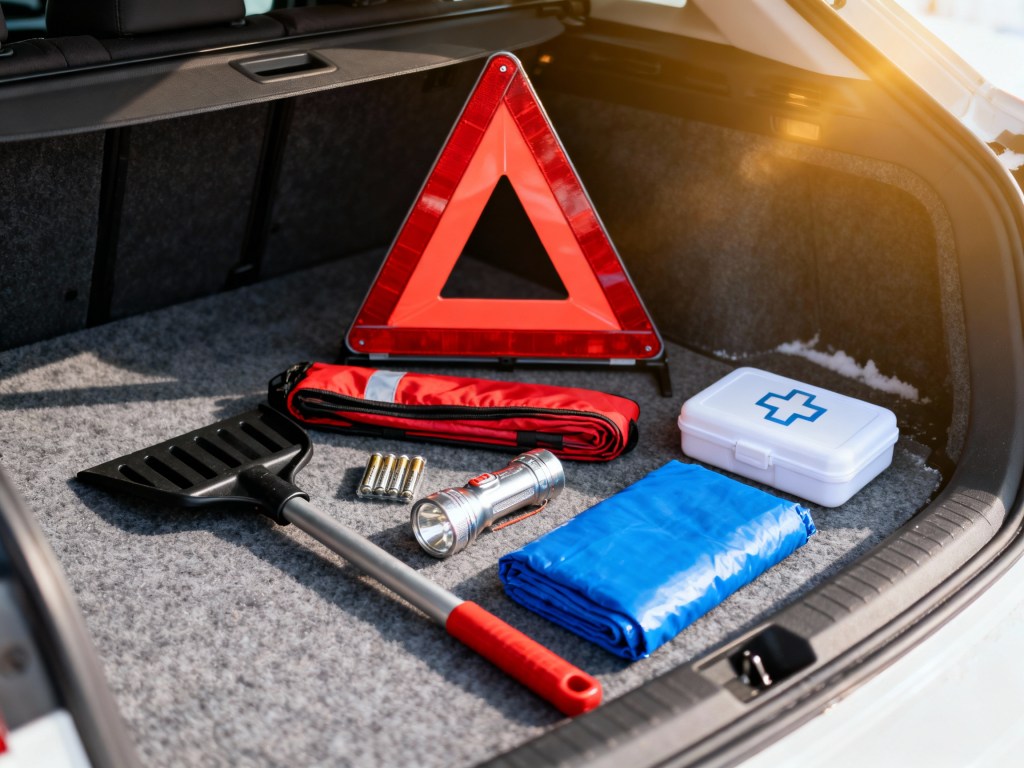
Essential Winter Car Emergency Kit
The National Safety Council (NSC, 2025) recommends every vehicle carry an emergency supply kit, with items checked every six months and expired materials replaced regularly. For home health therapists who spend hours daily on the road, often in unfamiliar neighborhoods, this kit becomes even more critical.
Mechanical and Vehicle Safety Items:
- Properly inflated spare tire, wheel wrench, and tripod jack
- Jumper cables or portable jump starter with charging capability
- Basic tool kit and multipurpose utility tool
- Tire pressure gauge and portable tire inflator
- Windshield washer fluid (winter formula that won’t freeze)
- Ice scraper and snow brush with extendable handle
- Small shovel for digging out of snow
- Bag of sand, cat litter, or traction mats for tire traction when stuck
- Duct tape for emergency repairs
- Spare fuses for vehicle electrical systems
Visibility and Safety Signaling:
- Reflective triangles or road flares to warn other drivers
- Brightly colored cloth or emergency flag to increase visibility
- Reflective safety vest (required if you need to exit vehicle on roadway)
- Flashlight with extra batteries (LED flashlights work better in cold)
- Headlamp for hands-free lighting during repairs
Emergency Survival Supplies:
- Warm blankets (at least two; wool or space blankets retain heat when wet)
- Complete change of warm, dry clothing including socks, gloves, and hat
- Hand and foot warmers (air-activated type)
- Winter coat, boots, and gloves kept in vehicle (if not worn)
- High-energy, non-perishable foods (granola bars, nuts, dried fruit, hard candy)
- Bottled water (store in insulated container to prevent freezing; replace regularly)
- First aid kit with comprehensive supplies
- Prescription medications (72-hour supply if you take daily medications)
- Cell phone car charger and backup portable power bank
- Whistle to signal for help if stranded
- Matches or lighter in waterproof container
Communication and Information:
- Emergency contact list including supervisor, roadside assistance, towing service
- Paper maps of your service area (don’t rely solely on GPS in emergencies)
- Insurance and vehicle registration documents
- List of your scheduled patients for the day with addresses and phone numbers
Winter-specific additions recommended by home health safety experts include keeping your gas tank at least half full during winter months to prevent fuel line freeze and provide emergency heat, and storing a small portable shovel specifically designed for vehicle use (Care Options for Kids, 2021; Performance Health Academy, 2025).
Vehicle Maintenance and Preparation
Pre-Winter Vehicle Inspection: Schedule comprehensive vehicle service before winter weather arrives. Have mechanics check battery strength (cold weather reduces battery capacity by 30-50%), tire tread depth and pressure, antifreeze levels and concentration, windshield wipers and washer fluid, heating and defrost systems, and brake function. Address all maintenance issues before they become safety hazards (Care Options for Kids, 2021).
Daily Vehicle Checks: Before starting your home visit schedule, conduct brief safety checks: clear all snow and ice from windows, mirrors, lights, and license plates; remove snow from vehicle roof (flying snow creates hazards for vehicles behind you); check that all lights function properly; verify adequate washer fluid and fuel (Care Options for Kids, 2021).
Emergency Communication Systems: Ensure your cell phone is fully charged before leaving each day. Inform your supervisor or designated safety contact of your daily schedule including patient addresses and approximate visit times. Establish check-in protocols—many home health agencies use automated systems where therapists check in after each visit. If your agency lacks such systems, or if you’re in private practice, consider using location-sharing features with a trusted colleague or family member during work hours (NCWWI, 2014; Reddit Therapists, 2023).
Safe Winter Driving Practices for Home Health Schedules
Home health therapists face unique driving challenges: multiple stops at unfamiliar locations, tight scheduling pressure, and the need to carry equipment while navigating icy surfaces. Evidence-based driving strategies reduce accident risk.
Journey Planning and Timing
Route Planning: Review your schedule each morning and plan routes accounting for current weather and road conditions. Build flexibility into schedules during winter months—what takes 15 minutes in summer may require 30 minutes in ice and snow. Use real-time traffic and weather apps to identify hazardous areas and plan alternate routes (Performance Health Academy, 2025).
Timing Adjustments: Request schedule modifications during severe weather, clustering patients geographically to minimize drive time and risk exposure. When possible, schedule visits during daylight hours—winter darkness by 4:30 PM significantly increases driving hazards. Advocate with schedulers about realistic travel times during winter conditions; unsafe scheduling serves no one if therapists cannot reach patients safely.
Weather Monitoring: Check weather forecasts before and throughout your workday. Many regions offer road condition hotlines or websites showing real-time highway conditions. If conditions deteriorate significantly, contact your supervisor (or make your own decision in private practice) about postponing non-urgent visits. Your safety—and that of other drivers—outweighs the inconvenience of rescheduling (Care Options for Kids, 2021).
Cold Weather Driving Techniques
Reduced Speed and Increased Following Distance: Ice and snow dramatically increase stopping distances. Reduce speed by 50% in snowy conditions and 75% on ice. Increase following distance to 8-10 seconds (versus the standard 3-4 seconds) to allow adequate reaction time for sudden stops or slides.
Gentle Inputs: Accelerate slowly, brake gradually, and turn gently. Abrupt movements break tire traction on slippery surfaces, causing skids and loss of control. If your vehicle begins to skid, ease off the accelerator and steer in the direction you want to go without overcorrecting.
Bridge and Overpass Awareness: Bridges and overpasses freeze before regular roadways because cold air circulates above and below the surface. Approach these areas with extra caution and reduced speed even when other roads seem safe.
Black Ice Recognition: Black ice—transparent ice on roadways—is nearly invisible but extremely dangerous. Watch for glossy-appearing pavement, especially in shaded areas, early morning, and on bridges. If you suspect black ice, do not brake or turn; maintain steady speed and direction until past the hazard.
Emergency Response: If you become stranded, stay with your vehicle. Run the engine for heat only 10 minutes per hour with a window cracked for ventilation, and ensure the exhaust pipe is clear of snow to prevent carbon monoxide poisoning. Display your emergency flag or flashers. Call for help and wait for assistance (NSC, 2025).
Maintaining Personal Health and Wellbeing
Your health directly impacts your ability to serve patients safely. Winter presents specific challenges to home health provider wellness.
Physical Health Maintenance
Illness Prevention: Home health therapists face high exposure to infectious diseases. Get annual flu vaccination, stay current on COVID-19 vaccination, and follow infection control protocols consistently. Practice meticulous hand hygiene—wash hands thoroughly after each patient contact and avoid touching your face. Get adequate sleep, nutrition, and hydration to support immune function (Care Options for Kids, 2021).
Physical Conditioning: Maintain strength and conditioning to handle physical demands of home health practice in winter conditions—carrying equipment through snow, providing manual therapy while wearing layers, and maintaining balance on slippery surfaces. Regular exercise reduces injury risk and builds endurance for long winter days.
Injury Prevention: Use proper body mechanics consistently, even in awkward situations. Warm up cold muscles before manual activities—cold temperatures increase risk of muscle strains and joint injuries. Pay attention to fatigue—cold weather and difficult driving conditions are exhausting; recognize when you need breaks.
Nutrition and Hydration: Pack healthy meals and snacks for your workday rather than relying on fast food or skipping meals. Dehydration affects concentration and increases accident risk—keep water in your vehicle (in insulated containers to prevent freezing). Warm beverages in insulated travel mugs provide comfort and maintain hydration during cold weather.
Appropriate Clothing: Dress in layers you can adjust for varying temperatures between outdoor cold, vehicle heat, and patient homes that may be overheated or under-heated. Keep extra clothing in your vehicle including warm socks, gloves, hat, and a complete change of clothes in case you get wet from snow or spills.
Mental and Emotional Wellbeing
Stress Management: Home health practice involves considerable stress—driving hazards, scheduling pressure, isolation from colleagues, and emotional demands of patient care. Implement stress management strategies including regular breaks, colleague connection, and after-work decompression time. Winter darkness and isolation can exacerbate stress and seasonal depression; recognize warning signs and seek support when needed.
Workload Management: Monitor your caseload and appointment density. Overloading schedules during winter is particularly dangerous as it pressures you to rush between appointments in hazardous conditions. Advocate for reasonable schedules that account for winter travel times and the physical/mental demands of winter practice.
Professional Boundaries: Maintain appropriate professional boundaries even as you build therapeutic relationships with long-term patients. Boundary violations create stress and ethical challenges that impact wellbeing.
Supervisor Support: Whether working for an agency or managing your own practice, maintain connections with professional colleagues for consultation and support. Home-based practice can be isolating—intentional connection combats this isolation and provides opportunities to process challenging situations.
Self-Care Practices: Prioritize activities that restore your energy and wellbeing outside of work. Winter’s darkness and cold can make this challenging, but consistent self-care practices—exercise, hobbies, social connection, adequate sleep—are essential for sustainable practice.
Preparing for Part 2: Safety During Home Visits
This article has addressed the preparation phase of winter home-visiting practice—ensuring your vehicle is equipped for emergencies, developing safe winter driving strategies, and maintaining your personal health and wellbeing. These foundational elements ensure you arrive at patient homes safely and in condition to provide quality care.
Part 2 of this series will address what happens once you arrive: personal safety protocols during home visits, winter-specific hazards in patient homes, and building comprehensive safety systems whether you work for a home health agency or operate a private practice providing outpatient home services.
Together, these two articles provide a comprehensive framework for safe, sustainable winter home-visiting practice that protects you while ensuring you can continue serving the clients who depend on your expertise.
Stay safe out there, and check back for Part 2 to complete your winter safety preparation.
References
Care Options for Kids. (2021). 5 winter survival tips for home health care workers. https://careoptionsforkids.com/blog/winter-survival-tips-for-home-health-care-workers/
National Child Welfare Workforce Institute. (2014). Home visitor safety training. https://ncwwi.org/files/Incentives__Work_Conditions/Home_Visitor_Safety_Training.pdf
National Safety Council. (2025). Emergency car kit. https://www.nsc.org/community-safety/safety-topics/emergency-preparedness/emergency-supplies-for-car
Performance Health Academy. (2025). Winter tips for home healthcare specialists & their patients. https://www.performancehealthacademy.com/winter-tips-for-home-healthcare-specialists-their-patients.html
Reddit Therapists. (2023). How do therapists stay safe while doing home visits? https://www.reddit.com/r/therapists/comments/18e7hiy/how_do_therapists_stay_safe_while_doing_home/
 The Home Accessibility Therapist LLC
Leave a comment