
“Mom wants to host this year. It’ll be her first time since her stroke. She’s determined, but I’m terrified someone’s going to get hurt. We have three weeks. Can you help?”
This daughter’s voice carried equal parts love and panic—a combination that occupational therapists hear often as the holiday season approaches. The good news? Three weeks is enough time to transform that anxiety into confidence, creating a gathering where safety and meaningful participation coexist.
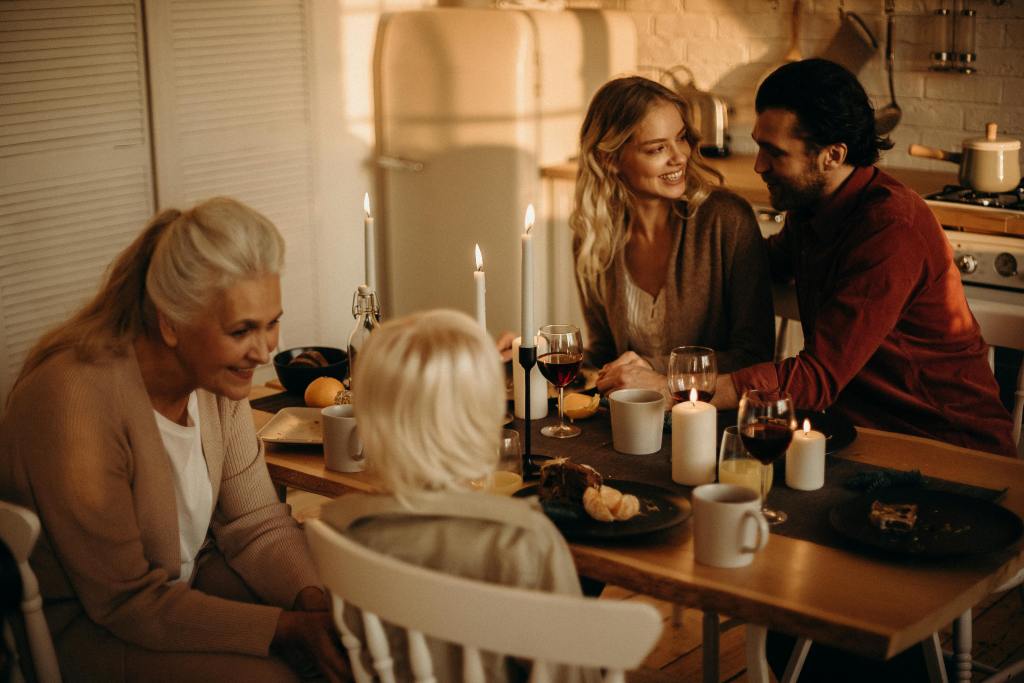
Understanding Holiday-Specific Risk Factors
Holiday gatherings aren’t just another day at home. The statistics tell a sobering story: one in four people aged 65 and older falls each year, and these falls increase during the holiday season due to heightened activity levels and environmental changes. When homes suddenly fill with extra guests, decorations, and furniture rearrangements, fall hazards multiply exponentially.
The physical demands intensify too—cooking elaborate meals, cleaning thoroughly, and entertaining for extended periods. Add cognitive overload from simultaneous conversations, background noise, and visual stimulation, and the typical home environment transforms into a complex challenge for older adults. Yet here’s the tension: the older adult wants to host, to maintain their role, to participate meaningfully. The family wants them to be safe. These aren’t opposing goals, but without proactive planning, they can feel that way.
The Two-Week Pre-Holiday Home Prep Protocol
Successful holiday hosting requires systematic preparation, not last-minute scrambling. Here’s a structured timeline that addresses both safety and participation.
Week One begins with assessment and planning. During days one and two, conduct a thorough environmental assessment with both the client and family present. Walk through the home identifying high-traffic pathways specific to the gathering—not just everyday routes, but where guests will move during the event. Note temporary hazards: area rugs that might shift under increased foot traffic, extension cords for extra lighting or serving equipment, furniture that may need repositioning. Evaluate bathroom capacity for multiple guests and assess kitchen workspace accessibility for the older adult’s participation.
Days three and four focus on activity analysis with a crucial question: What does the client want to do during this gathering? Perhaps it’s cooking one signature dish, sitting at the head of the table, or greeting each guest personally. Identify which tasks hold meaning and which can be delegated without diminishing their sense of contribution. This is where occupational therapy’s person-centered approach shines—we’re not just preventing falls; we’re preserving identity and purpose.
By days five through seven, develop an equipment and modification plan. Order any needed temporary equipment such as folding grab bars, additional task lighting, or non-slip mats. Create specific task lists for family members and establish a communication plan that addresses safety concerns without embarrassing the older adult. Designate “safe zones” where the client can participate actively and “high-traffic zones” where they should have support.
Week Two shifts to implementation and practice. Days eight through ten involve installing temporary safety equipment, rearranging furniture to create clear pathways, adding task lighting in key areas, and removing or securing throw rugs. Set up “stations” to minimize the client’s need to traverse the home repeatedly—perhaps a beverage station in the dining area and a dessert station in the living room.
Days eleven and twelve incorporate task rehearsal—an often-overlooked step that builds confidence and identifies problems before guests arrive. Practice modified cooking techniques, test energy conservation strategies, and even role-play greeting guests and managing conversations. Time these tasks to identify when fatigue typically sets in, allowing you to schedule appropriate rest periods into the gathering timeline.
The final days before the event focus on family education and coordination. Hold a family meeting about specific roles and safety responsibilities, share communication strategies that support without infantilizing, review the emergency plan, and conduct one final walkthrough.
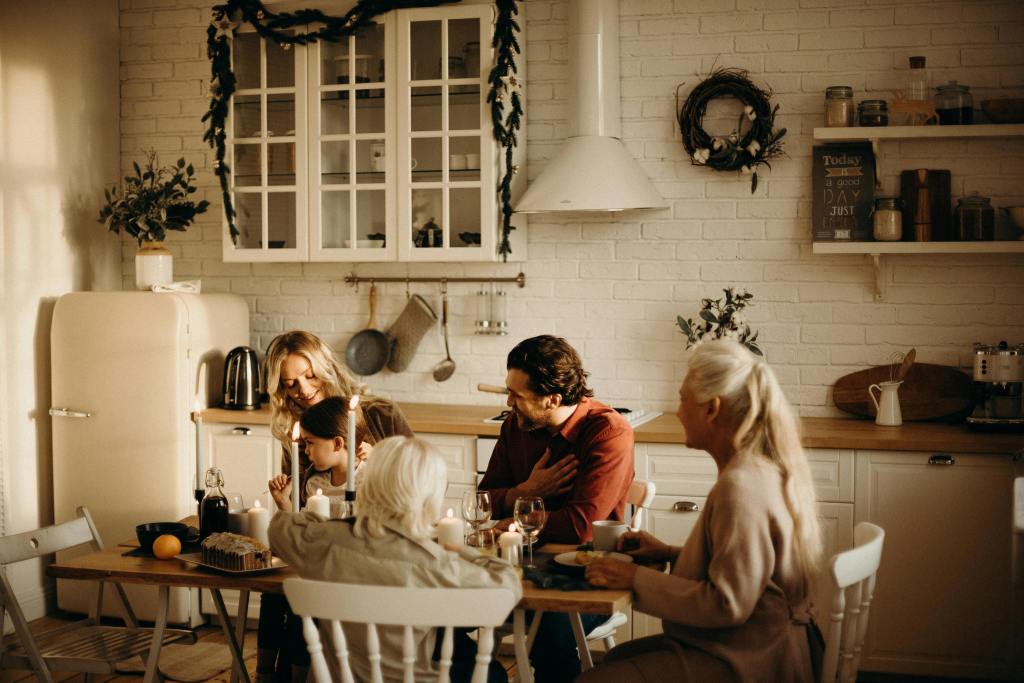
Room-by-Room Holiday Safety Considerations
The entryway sets the tone for the entire gathering. Ensure clear pathways from door to seating area with adequate lighting—many holiday gatherings extend into evening hours when visibility decreases. If steps are present, consider temporary handrails. Plan coat and belonging storage that doesn’t obstruct pathways. Perhaps most importantly, create a “greeter” role that allows the client to welcome guests while seated, conserving energy for the main event.
In living and dining areas, arrange furniture to facilitate conversation without creating obstacles. Verify that all seating is stable—no wobbly chairs—and at an appropriate height for older adults. Maintain clear pathways to the bathroom and ensure lighting is adequate for older adult vision. While dimmed lighting creates ambiance, it also creates hazards. Secure or eliminate extension cords and ensure temperature controls remain accessible.
The kitchen requires special attention since many older adults find meaning in food preparation. Organize the client’s workspace at an accessible height, with heavy items pre-positioned or assigned to other family members. Provide seating for meal prep participation and plan traffic flow to protect the client from burns or collisions with other cooks. For clients with stroke-related impairments, review one-handed techniques and implement timer systems for memory support.
Bathroom considerations often get overlooked until guests start arriving. If there’s only one bathroom, develop a schedule or rotation plan with family members. Ensure grab bars are securely installed for extra use, add supplemental lighting, maintain clear floor space, and organize guest supplies accessibly.
Managing Cognitive Load During Gatherings
The sensory demands of hosting—multiple conversations, background noise, visual stimulation—create cognitive challenges beyond the physical tasks. Clients must track guests, timing, and tasks simultaneously while managing the emotional demands of hosting. For some older adults, this can trigger confusion, anxiety, or premature fatigue.
Create a “quiet zone” where the client can retreat briefly without leaving the gathering entirely. Schedule specific rest periods into the timeline—perhaps after meal prep is complete but before serving, or after dinner but before dessert. Provide a written schedule or checklist to reduce memory demands and designate a family member as “co-host” to handle logistical details. Consider volume management strategies and natural break points in the gathering structure.
For clients with dementia, maintaining familiar environmental elements becomes even more important. Develop an introduction protocol for guests, consider photo boards with names, and carefully manage sensory elements including noise levels, food smells, and visual clutter.
Communication Scripts for Families
How family members frame these conversations can make the difference between cooperation and resistance. Instead of “Mom, we’re worried you’ll fall,” try “Mom, I’m so glad you’re hosting. I’d love to help you prepare so you can enjoy the day. What’s most important for you to do yourself?” This approach focuses on enabling participation rather than limiting it.
For anxious adult children, “Dad, we’re so excited for Thanksgiving at your house. Let’s make a plan so you can greet everyone without getting exhausted” acknowledges both enthusiasm and practical needs. The phrase “We want to make sure everyone is safe and comfortable. Let’s think through the layout together” uses collaborative language that shares responsibility rather than imposing restrictions.
When conversations become difficult, return to core principles: focus on enabling participation, use “we” language consistently, acknowledge feelings before addressing safety, and offer specific, concrete solutions rather than vague concerns.
Your Three-Week Pre-Holiday Checklist
Three weeks before: Complete initial home assessment, discuss client goals, identify equipment needs, and schedule a family meeting. Two weeks before: Order or obtain temporary equipment, complete modifications, finalize the task delegation plan, and discuss communication strategies. One week before: Complete practice runs, conduct final safety walkthrough, confirm family roles, and create the day-of schedule. The day before: Complete final setup, review emergency contacts, and confirm the rest period schedule.
That panicked daughter who voiced her concerns three weeks before Thanksgiving? Her mother successfully hosted her family. She greeted each guest from her favorite chair near the door, prepared her traditional stuffing recipe from a seated position at the kitchen island, and enjoyed dinner at the head of the table before retreating to her quiet zone while others handled cleanup. The modifications enabled meaningful participation while maintaining safety for everyone present.
Proactive planning transforms holiday anxiety into confident hosting. The time to start these conversations with clients isn’t when families call in panic—it’s now.
Are you planning on having these discussions with your clients? What are your best tips for helping families prepare for the Holidays when a family member has experienced some challenges?
References:
- Centers for Disease Control and Prevention. (2024). STEADI – Older Adult Fall Prevention. Updated August 2024. https://www.cdc.gov/steadi/index.html
- Centers for Disease Control and Prevention. (2024). Fall Prevention Resources. Updated July 2024. https://www.cdc.gov/falls/communication-resources/index.html
- FirstLight Home Care. (2024). Holidays and the Elderly: Help Older Adults Savor the Season. https://www.firstlighthomecare.com/blog/holidays-tips-help-older-adults-caregivers/ Mayo Clinic. (2024).
- Fall prevention: Simple tips to prevent falls. https://www.mayoclinic.org/healthy-lifestyle/healthy-aging/in-depth/fall-prevention/art-20047358
- Lifeway Mobility. (2024). 5 Fall Prevention & Home Safety Tips for Older Adults. https://www.lifewaymobility.com/blog/5-home-safety-tips-for-seniors/
 The Home Accessibility Therapist LLC
Leave a comment