
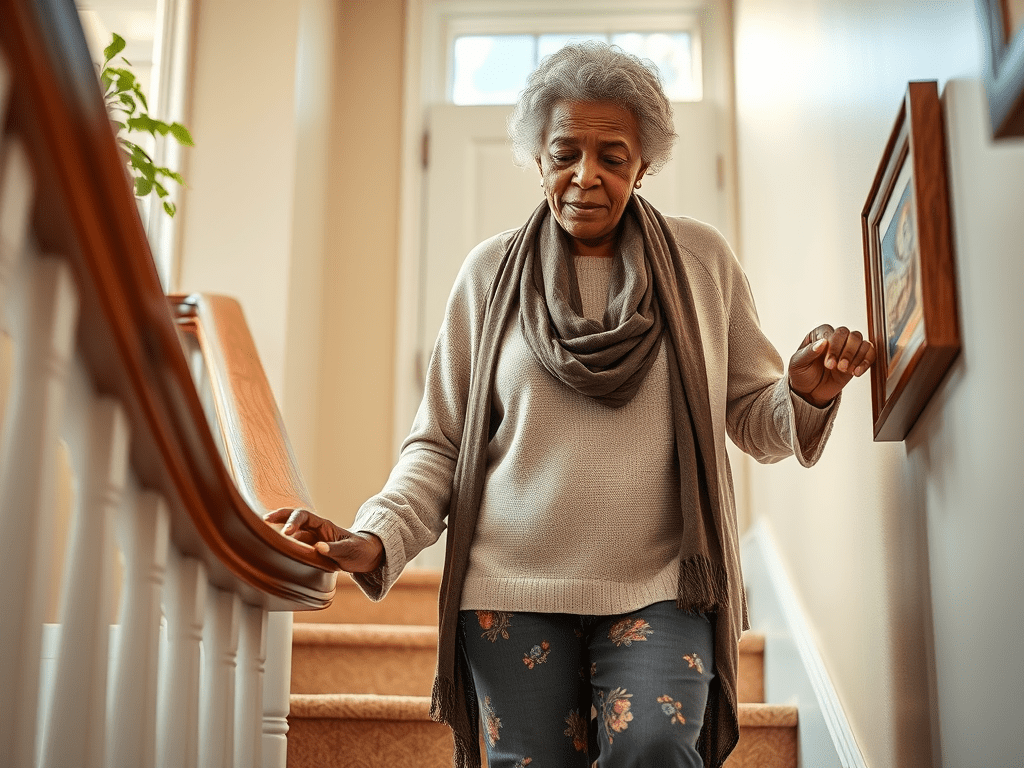
As the population ages, occupational therapists (OTs) are increasingly called upon to support older adults—especially those in low-income households—to age safely and independently in their own homes. A recent program evaluation published in the American Journal of Occupational Therapy demonstrates how targeted home modifications, led by interprofessional teams, can transform lives and foster health equity.

Study Highlights
The Older Adult Home Modification Program (OAHMP)
- Setting: Urban community, focusing on low-income older adults.
- Participants: 65 individuals (average age 72), predominantly women and people of color, most living alone.
- Intervention: Three in-home visits by an OT, a home modification team, and a social worker.
- Focus: Addressing home safety, accessibility, and functional needs through client-centered modifications.
Key Outcomes
- Significant improvements in independence with activities of daily living (ADLs) and home safety.
- 91% of personal goals were met or partially met by participants.
- Cost-effective: The average cost of modifications was well below national averages, making this a practical alternative to institutional care.
- Health equity: The program successfully reached diverse, underserved populations.
Practical Action Points for Occupational Therapists
1. Embrace Interprofessional Collaboration
- Work closely with home modification teams and social workers.
- Leverage each professional’s expertise to address both environmental and psychosocial barriers.
2. Prioritize Client-Centered Assessments
- Conduct thorough home and functional assessments to identify barriers and client priorities.
- Set measurable, meaningful goals with clients to guide interventions.
3. Focus on Low-Cost, High-Impact Modifications
- Simple changes—like grab bars, improved lighting, and threshold ramps—can dramatically improve safety and independence.
- Seek out funding sources or community programs to help cover costs for low-income clients.
4. Advocate for Health Equity
- Proactively reach out to underserved populations, including people of color and those living alone.
- Ensure interventions are culturally sensitive and tailored to individual needs.
5. Measure and Share Outcomes
- Use pre- and post-intervention assessments to demonstrate impact.
- Share success stories and data with stakeholders to promote ongoing support and funding.
Why This Matters
This research reinforces the vital role of OTs in promoting aging in place—especially for those at greatest risk of institutionalization due to financial or social barriers. By championing inclusive, client-centered, and cost-effective home modifications, OTs can help older adults maintain autonomy, dignity, and engagement in their communities.
Final Thoughts
Occupational therapists are uniquely positioned to lead the charge in creating accessible, safe, and inclusive homes for all. By integrating evidence-based practices from programs like OAHMP, OTs can make a meaningful difference—one home at a time.
For more details, see the full article on PubMed: “Inclusive Practices for Aging in Place: Environmental and Home Modifications for Older Adults” (PMID: 40101102).
 The Home Accessibility Therapist LLC
Leave a comment