
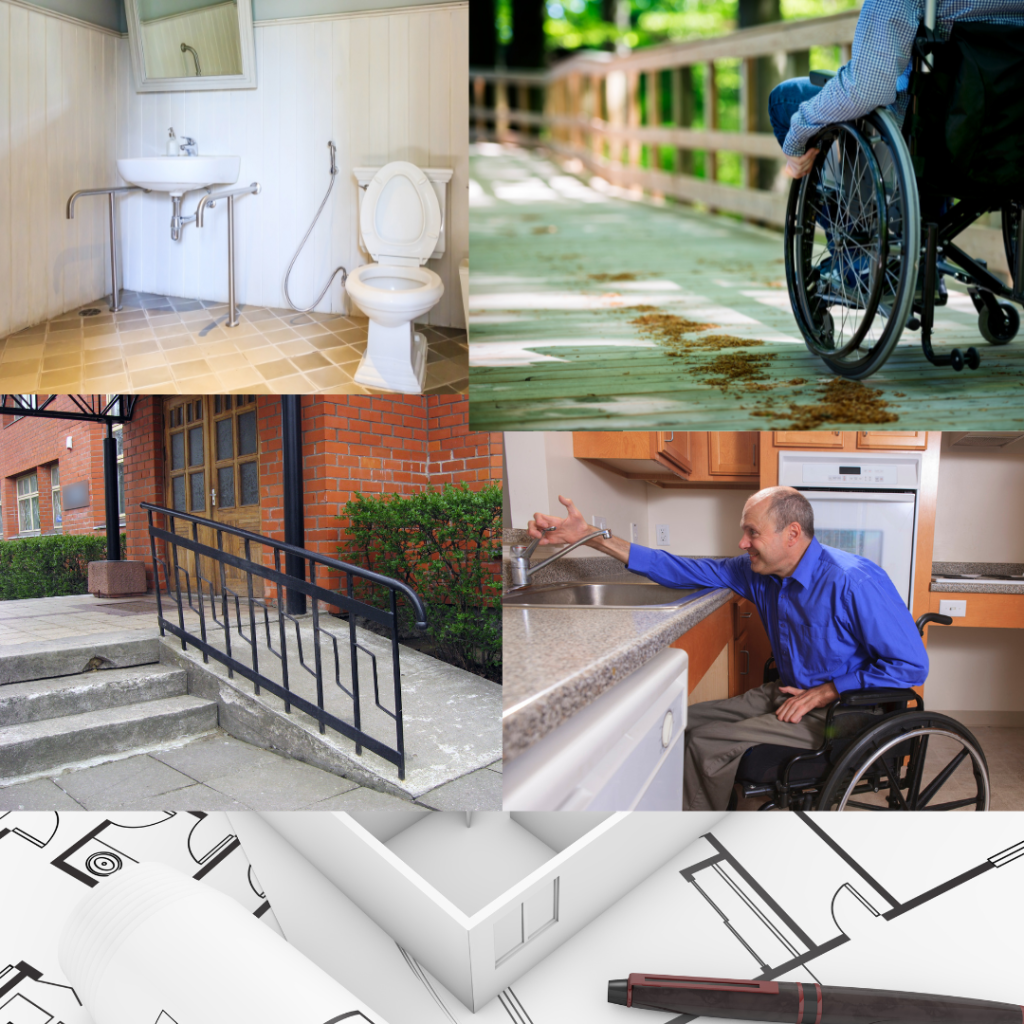
As occupational therapists, we play a crucial role in helping older adults maintain their independence and quality of life. One of the most effective ways to achieve this is through home modifications. A recent systematic review by Sheth and Cogle (2023) sheds light on the importance and effectiveness of these interventions.
Key Findings
The review, which analyzed 21 studies, revealed several significant insights that can inform our practice:
Effectiveness of Home Modifications
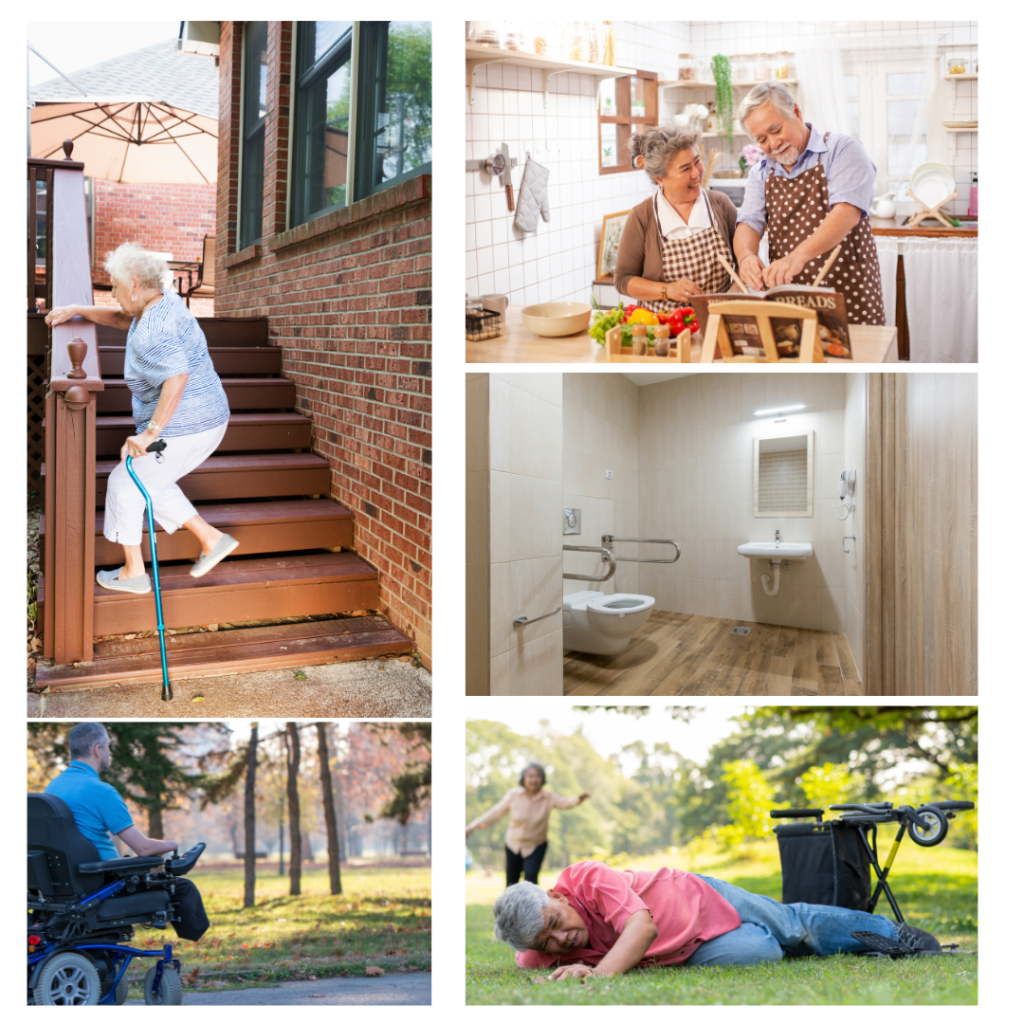
Home modifications have been shown to significantly improve various aspects of older adults’ lives, including:
- Reduced fall risk
- Enhanced functional performance
- Increased independence in activities of daily living (ADLs)
- Improved quality of life
Types of Modifications
The most common and effective modifications identified in the review include:
- Installation of grab bars in bathrooms
- Removal of tripping hazards (e.g., loose rugs)
- Improved lighting
- Rearrangement of furniture for better accessibility
- Installation of handrails on stairs
Cost-Effectiveness
The review highlighted that home modifications are not only beneficial for older adults but also cost-effective for healthcare systems. By reducing the risk of falls and subsequent hospitalizations, these interventions can lead to significant cost savings in the long run.
Implications for Occupational Therapy Practice
As occupational therapists, we can leverage these findings to enhance our practice and better serve our older adult clients:
Comprehensive Home Assessments
We should conduct thorough home assessments to identify potential hazards and areas for improvement. This assessment should consider the client’s specific needs, functional abilities, and living environment.
Tailored Intervention Plans
Based on the assessment, we can develop personalized intervention plans that incorporate the most effective modifications for each client. It’s crucial to involve the client and their caregivers in this process to ensure the modifications meet their needs and preferences.
Education and Training
Providing education to clients and their caregivers about the benefits of home modifications and how to use them effectively is essential. This can include demonstrating proper use of grab bars, teaching safe transfer techniques, and discussing fall prevention strategies.
Follow-up and Evaluation
Regular follow-ups are important to assess the effectiveness of the modifications and make any necessary adjustments. This ongoing evaluation can help ensure the interventions continue to meet the client’s changing needs over time.
Conclusion
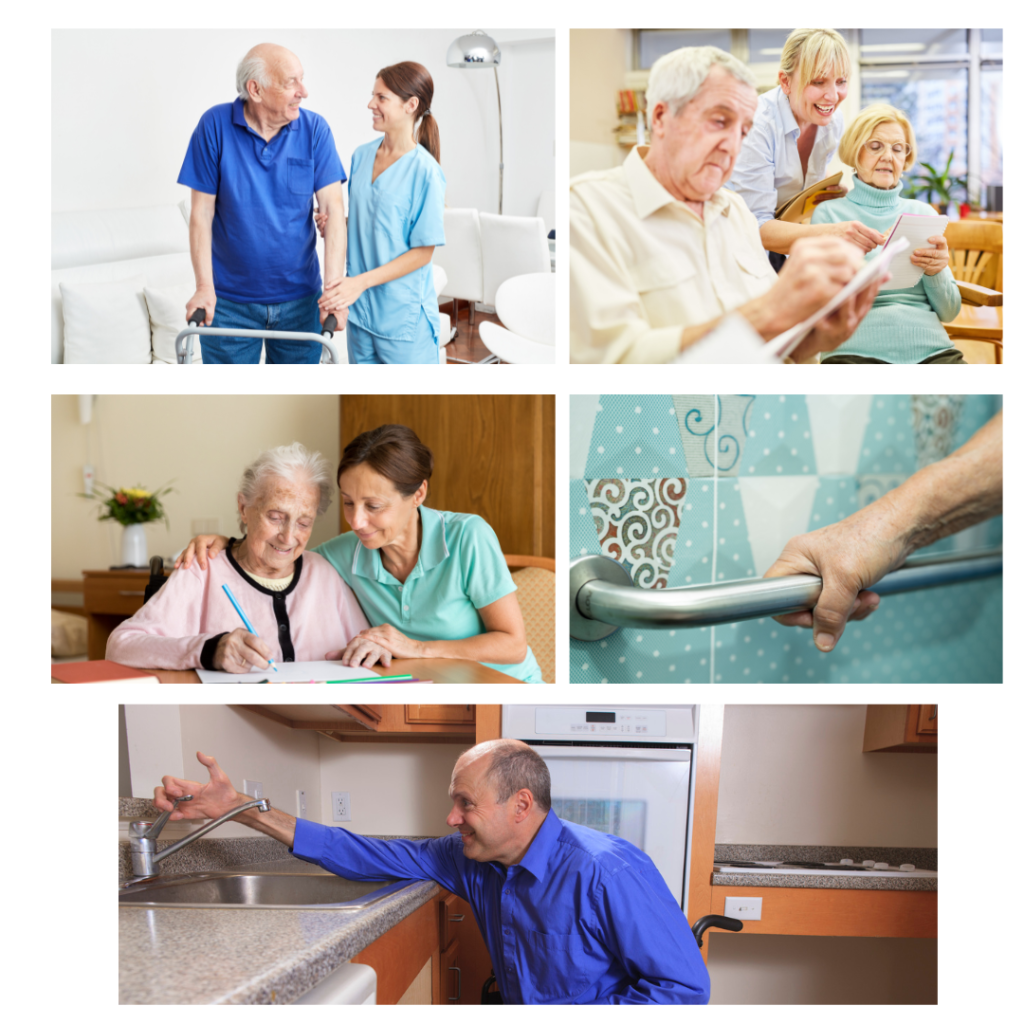
Home modifications represent a powerful tool in our occupational therapy toolkit for supporting older adults’ independence and safety. By implementing evidence-based modifications and providing comprehensive support, we can significantly improve our clients’ quality of life and reduce their risk of falls and injuries.
As we continue to serve our older adult population, let’s keep these findings in mind and strive to incorporate effective home modifications into our practice. By doing so, we can help our clients age in place safely and comfortably, maintaining their independence and dignity for years to come.
Reference:
Sheth, S., & Cogle, C. R. (2023). Home Modifications for Older Adults: A Systematic Review. Journal of applied gerontology : the official journal of the Southern Gerontological Society, 42(5), 1151–1164. https://doi.org/10.1177/07334648231151669
 The Home Accessibility Therapist LLC
Leave a comment