
August 26th , 2024
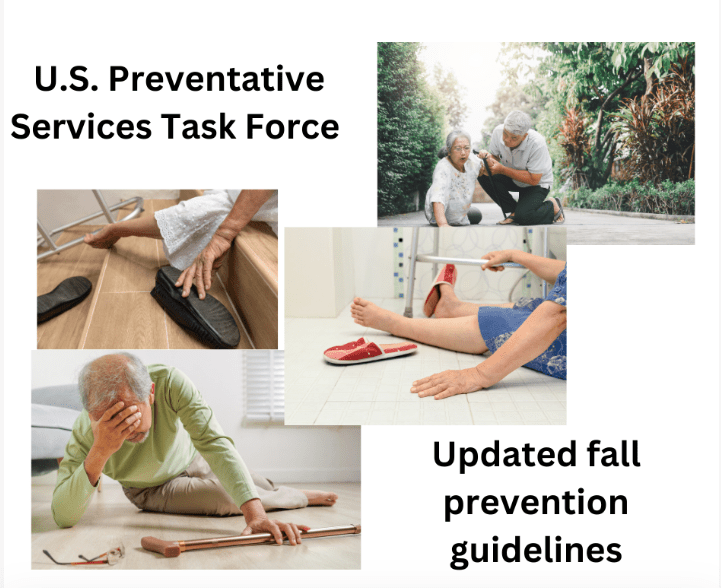
As therapists dedicated to fall prevention and home modifications, we’re always on the lookout for the latest evidence-based recommendations. The U.S. Preventive Services Task Force (USPSTF) has recently released its updated guidelines on falls prevention for community-dwelling older adults, and it’s time we dive into what this means for our practice. This impacts our practice as we are seeing insurances such as Molina adopting these guidelines as standards for patient care.
The Gravity of Falls
Before we delve into the recommendations, let’s remind ourselves why this matters. Falls are the leading cause of injury-related morbidity and mortality among older adults in the United States. In 2018, over a quarter of community-dwelling adults aged 65 and older reported at least one fall in the previous year, with 10.2% reporting a fall-related injury.(3). Even more alarming, 2021 saw an estimated 38,742 deaths resulting from fall-related injuries.(3) These statistics underscore the critical importance of our work in fall prevention.
USPSTF Recommendations: A Two-Pronged Approach
The USPSTF has put forth two key recommendations that will shape our approach to fall prevention:
Exercise Interventions: A Strong Endorsement
The Task Force strongly recommends exercise interventions for community-dwelling adults 65 years or older who are at increased risk for falls. (1) This recommendation comes with a B grade, indicating a high certainty that the net benefit is moderate to substantial.
What this means for us: As therapists, we should be prioritizing exercise programs in our fall prevention strategies. These programs should focus on:
- Gait, balance, and functional training
- Strength and resistance training
While the specific components may vary, the consistency of exercise as a preventive measure is clear. We should be designing and implementing tailored exercise regimens for our at-risk clients.
Multifactorial Interventions: A Personalized Approach
The USPSTF recommends that clinicians individualize the decision to offer multifactorial interventions.(1) This C-grade recommendation acknowledges that while the overall net benefit of routinely offering these interventions is small, they may be beneficial for some individuals.
What this means for us: We need to take a more nuanced approach when considering multifactorial interventions. Factors to consider include:
- Circumstances of prior falls
- Presence of comorbid medical conditions
- Patient values and preferences
This recommendation emphasizes the importance of personalized care plans. As therapists, we should be conducting thorough assessments and engaging in shared decision-making with our clients to determine the most appropriate interventions.
Implementing the Recommendations
To effectively implement these recommendations, we need to focus on several key areas:
Risk Assessment
Identifying those at increased risk for falls is crucial. While the USPSTF doesn’t endorse a specific tool, they note that most studies used simple questions about falls history and difficulty with gait or balance. (1) As therapists, we should be incorporating these questions into our initial assessments.
Exercise Program Design
When designing exercise interventions, consider the following:
- Frequency: Most effective programs in the studies were performed three times per week, (1)
- Duration: Programs typically lasted 12 months, though some showed benefits in as little as 12 weeks. (1)
- Components: Include a mix of gait, balance, functional training, and strength exercises.
Home Modifications
While not explicitly mentioned in the USPSTF recommendations, our expertise in home modifications remains crucial. We should continue to assess home environments and recommend appropriate modifications to complement exercise interventions.
Patient Education
Education is key to successful implementation. We need to:
- Explain the benefits of exercise in preventing falls
- Address any misconceptions about falls and their prevention
- Discuss the importance of adherence to exercise programs
Collaboration with Healthcare Providers
Given the recommendation for individualized decision-making on multifactorial interventions, close collaboration with primary care providers is essential. We should be prepared to provide detailed assessments and recommendations to support this decision-making process.
Challenges and Opportunities
Implementing these recommendations may present some challenges:
- Ensuring access to appropriate exercise programs
- Motivating clients to adhere to long-term exercise regimens
- Coordinating care with other healthcare providers
However, these challenges also present opportunities for innovation in our field. We might consider:
- Developing telehealth exercise programs for improved accessibility
- Creating engaging, gamified exercise routines to boost adherence
- Establishing stronger interprofessional networks for comprehensive fall prevention care
Conclusion
The USPSTF’s updated recommendations on falls prevention provide a clear directive for our practice. By focusing on evidence-based exercise interventions and personalized multifactorial approaches, we can make a significant impact in reducing falls and improving the quality of life for our aging population.
As therapists specializing in fall prevention and home modifications, we are uniquely positioned to lead the charge in implementing these recommendations. Let’s embrace this opportunity to refine our practices, innovate our approaches, and ultimately, keep our older adults safe, active, and independent.
References:
3. US Preventive Services Task Force, Nicholson, W. K., Silverstein, M., Wong, J. B., Barry, M. J., Chelmow, D., Coker, T. R., Davis, E. M., Jaén, C. R., Krousel-Wood, M., Lee, S., Li, L., Rao, G., Ruiz, J. M., Stevermer, J., Tsevat, J., Underwood, S. M., & Wiehe, S. (2024). Interventions to Prevent Falls in Community-Dwelling Older Adults: US Preventive Services Task Force Recommendation Statement. JAMA, 332(1), 51–57. https://doi.org/10.1001/jama.2024.8481
 The Home Accessibility Therapist LLC
Leave a comment