August 5th 2024
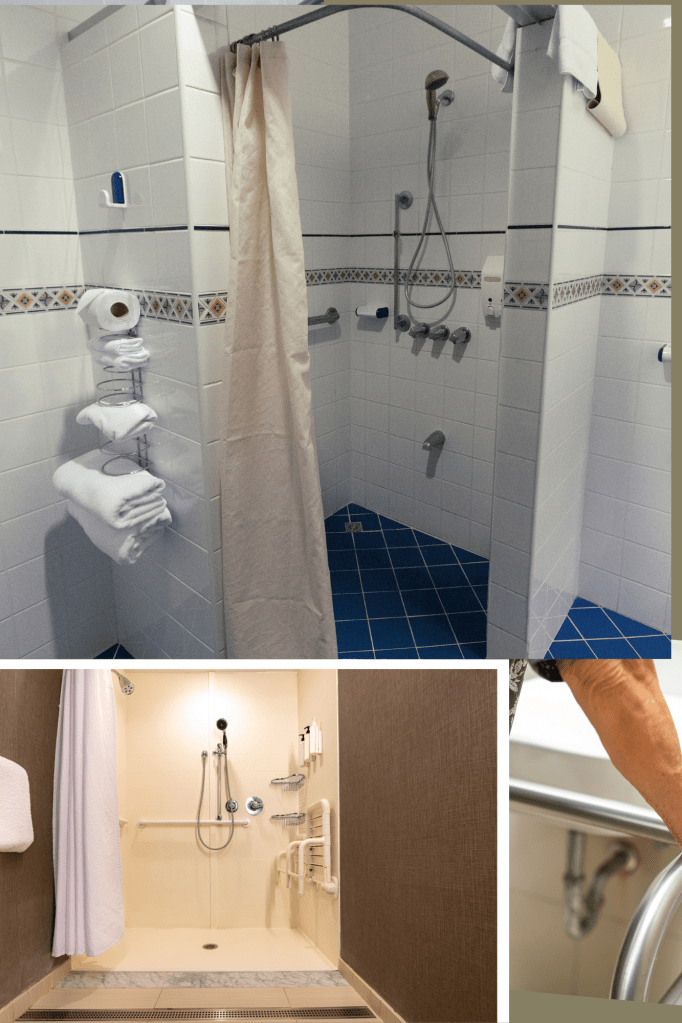
As healthcare professionals, we’re constantly seeking ways to improve the quality of life for our patients, especially older adults and those with disabilities who wish to remain in their homes. A recent study published in the International Journal of Environmental Research and Public Health offers compelling evidence that home modifications can significantly reduce the need for community care, benefiting both patients and caregivers alike.
Key Findings
The study, conducted in Australia, analyzed data from 157 community care recipients with an average age of 72 years. These individuals had received home modifications within the previous six months. The results were striking:
- Overall, home modifications reduced total care hours by 42% per week
- Informal care (provided by family and friends) decreased by 46%
- Formal care (paid professional care) decreased by 16%
Types of Home Modifications
The most common modifications include:
- Major bathroom renovations
- Installation of handrails for front or rear access
- Kitchen and laundry modifications (e.g., cabinet height changes, widening work areas)
- Ramps and lifts
Implications for Healthcare Professionals
These findings have significant implications for our practice:
- Preventive Care: Recommending home modifications early can help maintain independence and reduce the need for more intensive care later.
- Holistic Assessment: When evaluating patients’ needs, consider the role that housing design plays in their ability to perform daily activities.
- Interdisciplinary Collaboration: Work closely with occupational therapists and home modification specialists to identify the most effective interventions for each patient.
- Caregiver Support: By reducing the care burden, home modifications can alleviate stress on family caregivers and potentially allow them to remain in the workforce.
- Cost-Effective Interventions: While there’s an initial capital investment, home modifications may lead to long-term savings in healthcare costs.
Conclusion
As we continue to face challenges in providing community care, particularly with an aging population, home modifications offer a promising solution. By adapting living spaces to meet individuals’ needs, we can support independence, improve the quality of life, and reduce the demand for care services. As healthcare professionals, let’s consider home modifications as an integral part of our care plans and advocate for policies that make these adaptations more accessible to those who need them most. Increasing skills in home modification is essential for therapists, as entry-level skills provide only limited awareness of the home modification area and continuing education is necessary to provide the skills to meet the complex needs of community residents.
Carnemolla, P., & Bridge, C. (2019). Housing Design and Community Care: How Home Modifications Reduce Care Needs of Older People and People with Disability. International journal of environmental research and public health, 16(11), 1951. https://doi.org/10.3390/ijerph16111951
 The Home Accessibility Therapist LLC
Leave a comment