
June 17th 2024
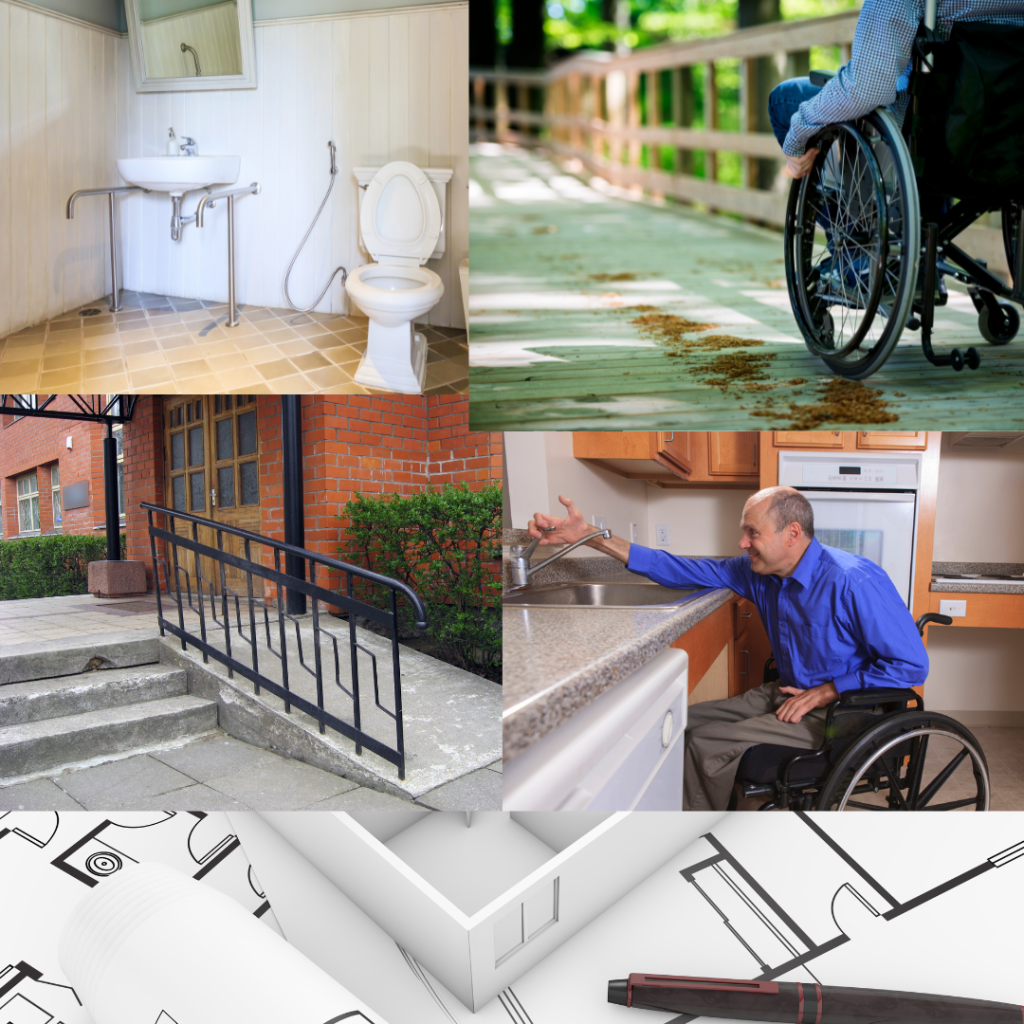
With the number of people over 65 expected to double by 2040, and 42% of the population having two or more chronic conditions, the demand for accessible homes is rising. Recent trends in home modifications for accessibility are leading the way, ensuring that homes cater to the diverse needs of all individuals. Here I review some of the current trends.
Universal Design (UD)
- Rising Popularity: Encouraged by the increase in multigenerational homes and the desire to age in place.
- Higher Satisfaction: Homes incorporating UD principles report higher satisfaction levels among residents (Journal of Aging Research, 2021).
- Common Features: Step-free entrances, wide doorways, lever-style handles, and other design elements that ensure homes remain functional as occupants age or if their mobility needs change.
Smart Home Technology
- Increased Control: Devices like voice-activated assistants, automated lighting, and smart thermostats offer unprecedented levels of control and independence.
- Enhanced Quality of Life: Smart home devices significantly improve the quality of life for those with mobility and sensory impairments (Disability and Rehabilitation: Assistive Technology, 2022).
- Examples: Smart locks, video doorbells, and connected appliances that can be controlled via voice commands or smartphone apps.
Bathroom Accessibility
- Safety and Comfort: Recent advancements are making bathrooms safer and more comfortable.
- Popular Modifications: Walk-in tubs, curbless showers, non-slip flooring, grab bars, adjustable showerheads, and comfort-height toilets.
- Study Findings: These modifications reduce fall risks and enhance the overall bathing experience for individuals with limited mobility (American Journal of Occupational Therapy, 2020).
Adaptive Kitchen Designs
- Crucial Accessibility: Ensuring kitchens are accessible is vital.
- Trending Features: Adjustable countertops, pull-out shelves, and accessible appliances.
- Usability Improvements: These modifications significantly enhance the usability of kitchen spaces for individuals with disabilities (Ergonomics, 2021).
Outdoor Accessibility
- Extending Living Spaces: Creating accessible outdoor areas is as important as modifying interiors.
- Trending Solutions: Ramps, wider pathways, and accessible gardening solutions.
- Benefits: Accessible outdoor environments promote physical activity, social interaction, and mental well-being (Journal of Landscape Architecture, 2022).
- Innovations: Raised garden beds, adaptive gardening tools, and accessible outdoor furniture.
Future of Accessible Home Modifications
- Technological Integration: The integration of virtual reality (VR) and augmented reality (AR) in planning and designing accessible homes offers exciting possibilities.
- Customization: VR and AR can help visualize and customize spaces to meet specific needs, ensuring that accessibility is tailored to individual preferences.
Conclusion
The latest trends in home modifications for accessibility are enhancing the functionality and safety of living spaces while enriching the lives of individuals who rely on these modifications. By embracing these innovations, we can create homes that reflect the principles of inclusivity and universal design, ensuring that everyone can live comfortably and independently.
By staying informed about these trends and integrating them into our homes, we pave the way for a more inclusive and accessible future. Let’s continue to push the boundaries of what’s possible in accessible home design, creating spaces that serve and inspire all individuals.
 The Home Accessibility Therapist LLC
Leave a comment